Tell us about the job
Takes about a minute. No obligation.
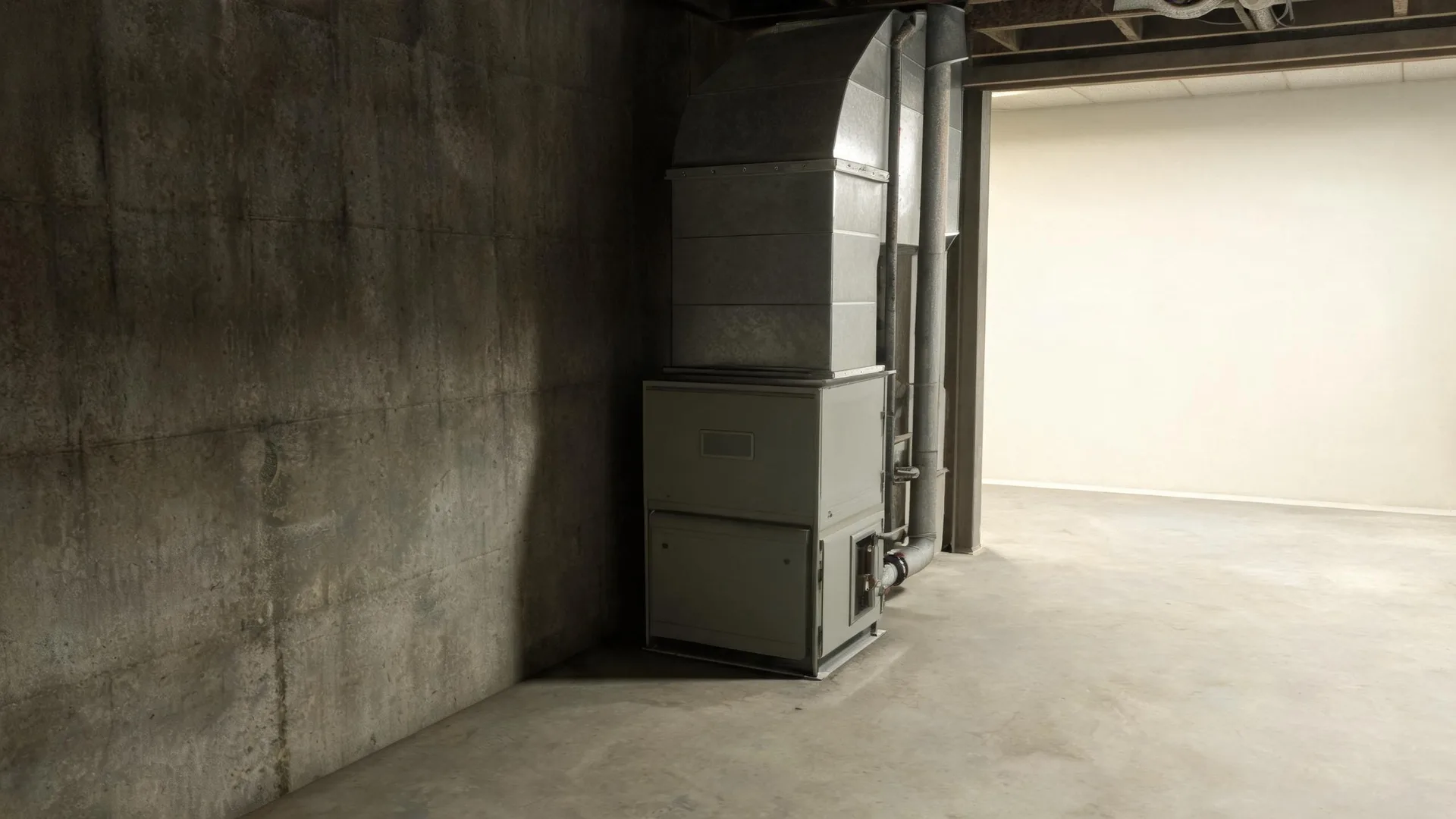
A furnace repair quote in Minnehaha County starts with the burner assembly and heat exchanger, not because those parts fail first everywhere, but because they bear the longest continuous load here. Homes in Minnehaha County, SD run heat about nine months a year, from September through May. A contractor opening a furnace that has cycled through that season will check the heat exchanger for cracks and the ignition system for wear before pricing anything else, since those are the components that carry every start and every shutdown. A cracked heat exchanger found during a repair changes the scope of the job entirely, and a contractor who skips that inspection is quoting against incomplete information.
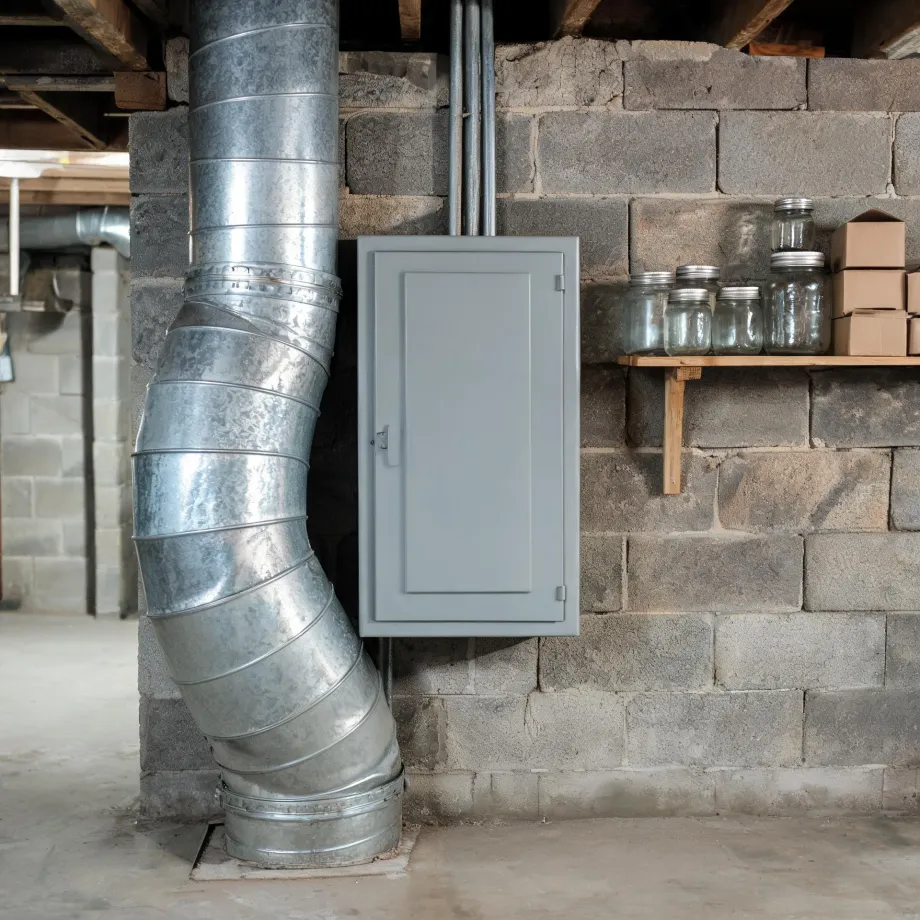
Ductwork and service panels in a house this age were built around equipment that no longer exists in its original form. What a contractor finds once a furnace is open, including the heat exchanger, burner assembly, and controls, reflects decades of adaptation, replacement, and wear that no exterior inspection reveals. Half the homes in Minnehaha County, South Dakota were built in 1987 or earlier (2020-2024 ACS 5-year). That history is why a repair scope here gets written from the inside out: the condition of the opened components sets the price, and whether replacement parts for a system of this vintage are still in production shapes what a contractor can realistically offer.
The Parts of a Furnace a Contractor Checks First
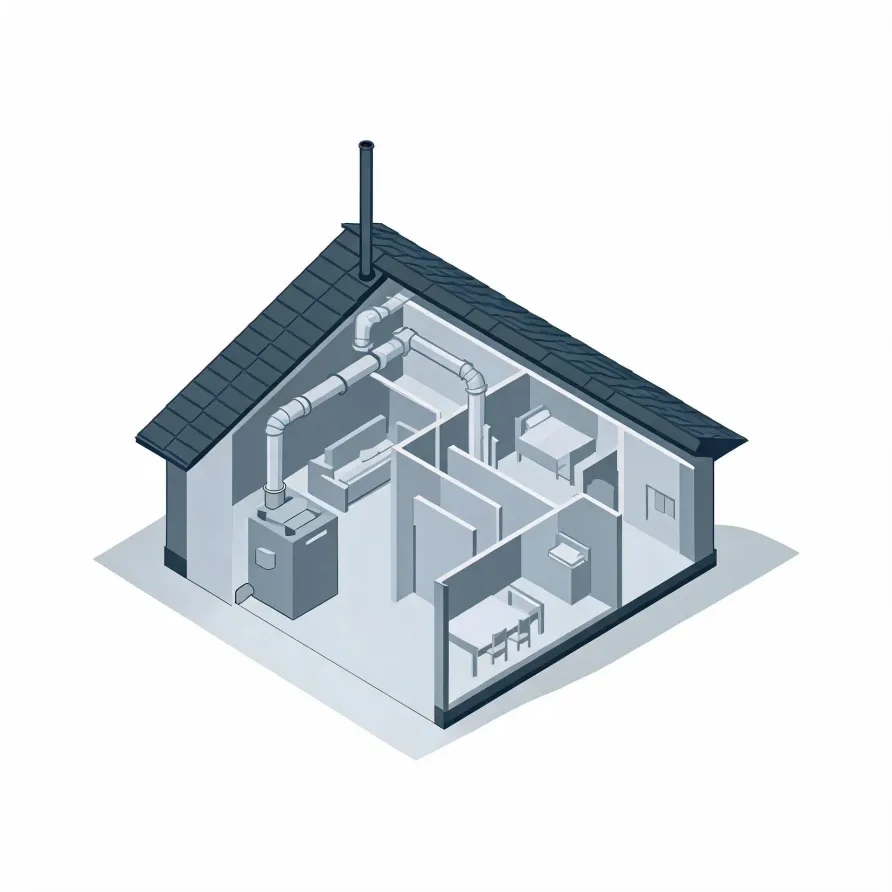
The furnace itself sits in a mechanical room, basement, or utility closet and is the heart of the system. Inside it, the heat exchanger is the piece a contractor looks at closely during a repair call. Cracks or failures there affect both heating performance and air quality, making it one of the first things examined.
The blower motor sits inside the furnace cabinet and pushes conditioned air out through the supply side of the duct system. The flue or exhaust vent runs from the furnace up and out of the house, and a blocked or damaged flue shows up quickly as a combustion problem. The thermostat on the wall ties the whole system together and is often where a fault trace begins.
The drawing shows a typical furnace layout, and a licensed contractor determines which parts apply to the specific system and setup in your home.
Find a contractor in Minnehaha CountyMinnehaha County, by the numbers
281 severe weather events were recorded in Minnehaha County, South Dakota between 2015 and 2024.
NOAA National Centers for Environmental Information, Storm Events Database, bulk CSV export, events 2015-01-01 through 2024-12-31.Half the homes in Minnehaha County, South Dakota were built in 1987 or earlier (2020-2024 ACS 5-year).
U.S. Census Bureau, 2020-2024 American Community Survey 5-Year EstimatesMinnehaha County, South Dakota holds 89,418 housing units (2020-2024 ACS 5-year).
U.S. Census Bureau, 2020-2024 American Community Survey 5-Year EstimatesOwners occupy 63.1% of the occupied homes in Minnehaha County, South Dakota (2020-2024 ACS 5-year).
U.S. Census Bureau, 2020-2024 American Community Survey 5-Year EstimatesFurnace & HVAC Repair Rules on Record for Minnehaha County, South Dakota4 sourced standards & codes
What HVAC Repair Looks Like in Minnehaha County
Non-weatherized gas furnaces manufactured on or after November 19, 2015 must reach 80.0 percent AFUE.
Non-weatherized oil-fired furnaces manufactured on or after November 19, 2015 must reach 83.0 percent AFUE.
Mobile home gas furnaces manufactured on or after November 19, 2015 must reach 80.0 percent AFUE.
Non-weatherized gas furnaces manufactured on or after December 18, 2028 must reach 95.0 percent AFUE, up from the 80.0 percent minimum that applies to units manufactured before that date.
Severe Weather Events in Minnehaha County
Extreme weather puts real stress on furnace systems, pushing them to run harder and longer than they would in mild conditions. How often that stress hits Minnehaha County is a local variable, and it shapes how much wear local equipment actually takes.
281 severe weather events, 2015–2024. Source: NOAA National Centers for Environmental Information, Storm Events Database.