Tell us about the job
Takes about a minute. No obligation.
A furnace repair call in Roberts County starts with the parts that do the hardest cycling: the ignition system, the heat exchanger, and the burner. Homes in Roberts County, SD run heat about nine months a year, from September through May. That load falls on the same components every year, and the cracks or failures a contractor finds are almost always there. Carbon buildup on a burner, a cracked heat exchanger, a worn igniter: these are what give out under sustained use, and a contractor who skips straight to controls or the blower is working the wrong end of the unit.
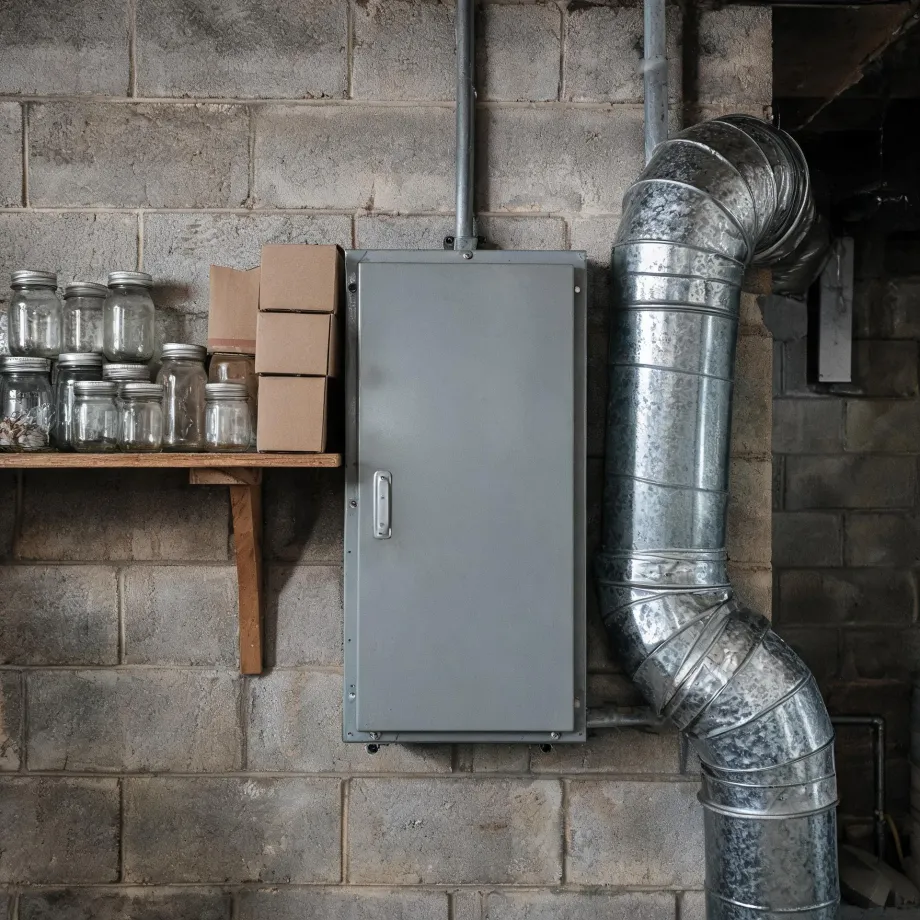
Half the homes in Roberts County, South Dakota were built in 1974 or earlier (2020-2024 ACS 5-year). A furnace installed in a house of that vintage has likely outlasted its original components and been serviced by whatever parts were available at the time, not parts specified for it. When a contractor opens a unit here, cracked heat exchangers and deteriorating flue connections show up at a rate that a visual inspection from outside the cabinet does not catch. The age of the housing means the furnace inside it has a repair history the current homeowner may not have, and that history is what determines whether the job is a single part or a larger scope.
The Parts of a Furnace a Contractor Checks First
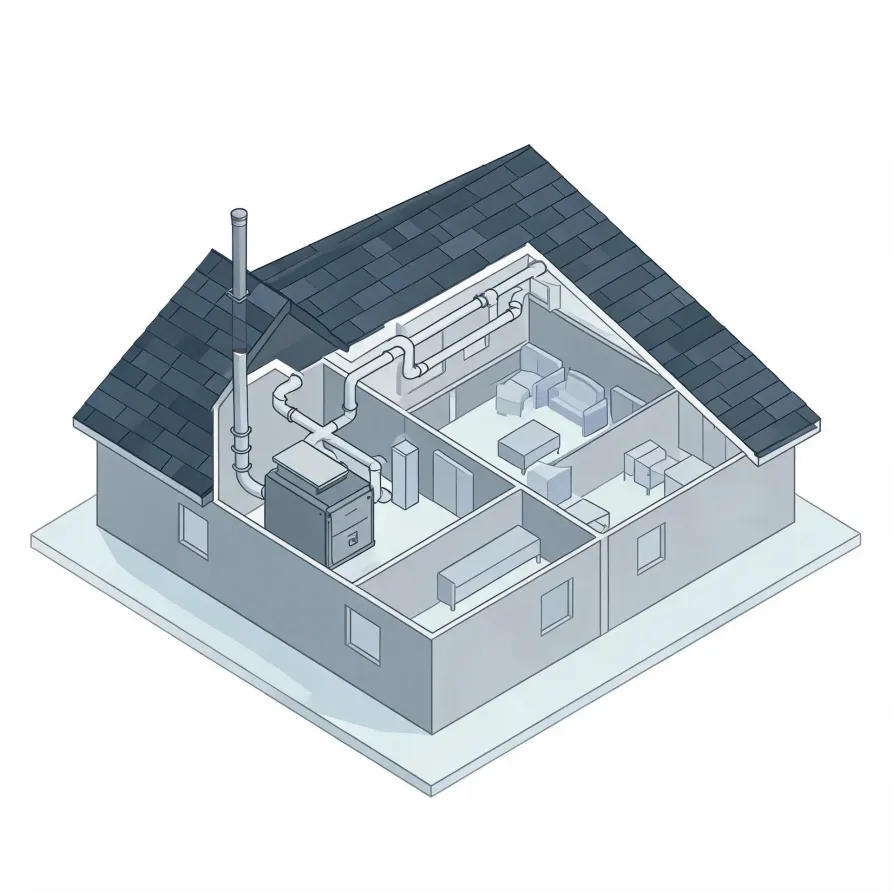
The furnace itself sits in a utility space, basement, or closet and is the piece that generates heat. Inside it, the heat exchanger, burners, and blower motor each carry a share of the work. When a furnace fails, the fault almost always traces back to one of these: a cracked heat exchanger, burners that won't ignite, or a blower that has stopped moving air through the house.
The flue pipe runs from the furnace to an exterior vent and carries combustion gases out of the home. Alongside the furnace sits the air handler or plenum, which feeds conditioned air into the supply side. The thermostat on the wall ties all of it together, and a wiring fault or failed sensor there can make the entire system behave as if the problem is somewhere else.
The drawing shows a typical furnace layout, and a licensed contractor will determine which parts and configurations apply to your specific home.
Find a contractor in Roberts CountyRoberts County, by the numbers
199 severe weather events were recorded in Roberts County, South Dakota between 2015 and 2024.
NOAA National Centers for Environmental Information, Storm Events Database, bulk CSV export, events 2015-01-01 through 2024-12-31.Half the homes in Roberts County, South Dakota were built in 1974 or earlier (2020-2024 ACS 5-year).
U.S. Census Bureau, 2020-2024 American Community Survey 5-Year EstimatesRoberts County, South Dakota holds 4,848 housing units (2020-2024 ACS 5-year).
U.S. Census Bureau, 2020-2024 American Community Survey 5-Year EstimatesOwners occupy 71.2% of the occupied homes in Roberts County, South Dakota (2020-2024 ACS 5-year).
U.S. Census Bureau, 2020-2024 American Community Survey 5-Year EstimatesCodes & Standards Governing Furnace and HVAC Repair in Roberts County, South Dakota4 sourced rules and standards
What the Repair Visit Looks Like
Non-weatherized gas furnaces manufactured on or after November 19, 2015 must reach 80.0 percent AFUE.
Non-weatherized oil-fired furnaces manufactured on or after November 19, 2015 must reach 83.0 percent AFUE.
Mobile home gas furnaces manufactured on or after November 19, 2015 must reach 80.0 percent AFUE.
Non-weatherized gas furnaces manufactured on or after December 18, 2028 must reach 95.0 percent AFUE, up from the 80.0 percent minimum that applies to units manufactured before that date.
Severe Weather Events in Roberts County
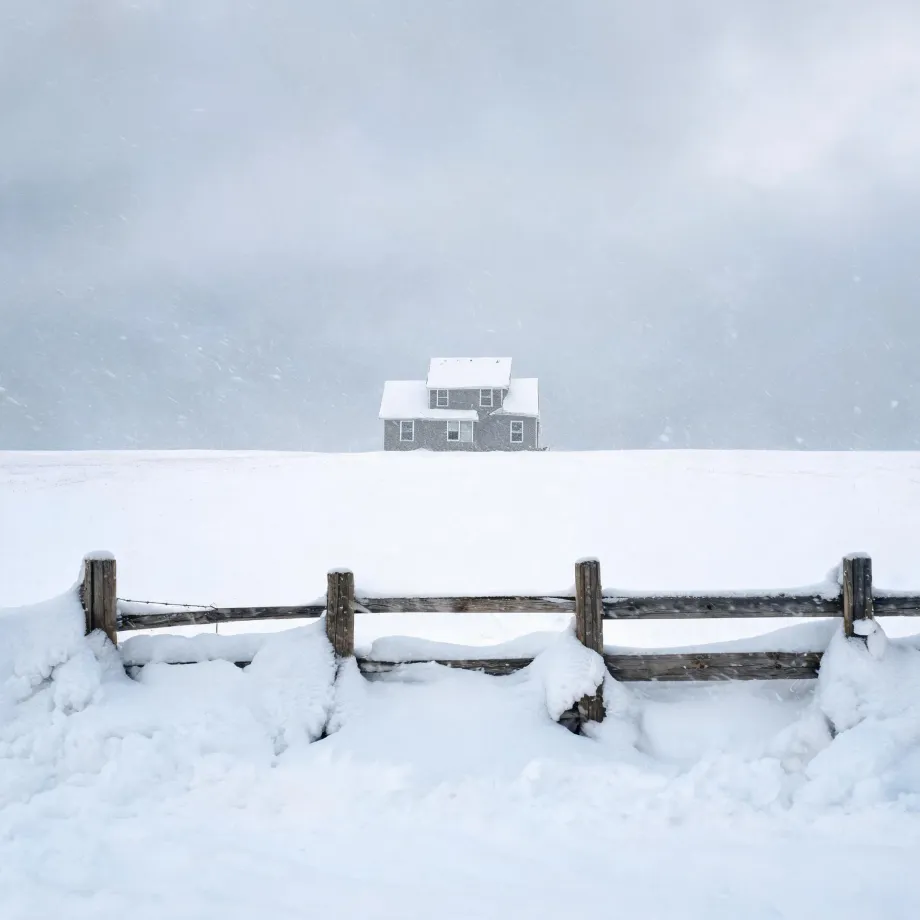
Extreme weather puts real strain on heating equipment, and Roberts County's climate is a local variable that shapes how hard a furnace has to work and how often things go wrong. That workload history is part of what makes repair needs here different from those in milder parts of the state.
199 severe weather events, 2015–2024. Source: NOAA National Centers for Environmental Information, Storm Events Database.