Tell us about the job
Takes about a minute. No obligation.
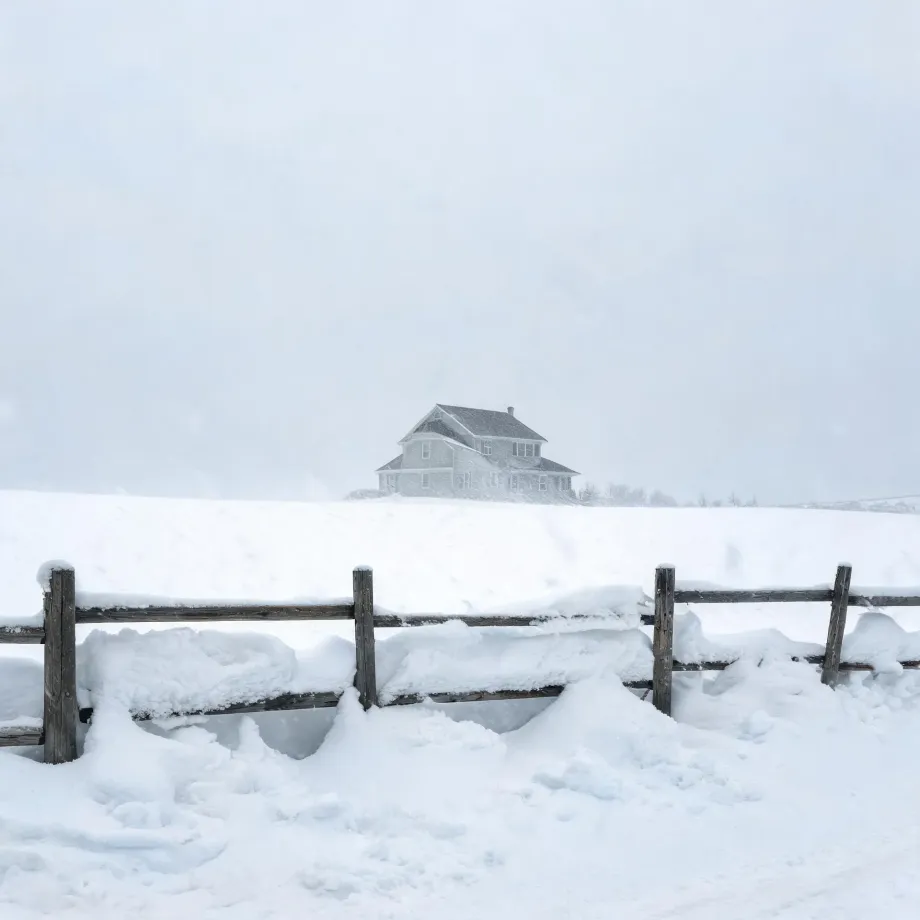
Sizing a furnace for Clark County starts with knowing how long the burner actually runs. Homes in Clark County, SD run heat about nine months a year, from September through May. A heat exchanger cycling through most of the calendar accumulates fatigue on its welds and surfaces at a pace that a unit sized too small accelerates sharply, because it runs longer each call to meet the load. The ignition system and burner assembly follow the same pattern. A contractor quoting a replacement here factors that runtime into the equipment spec before anything else, because an undersized install will show the strain of this county's winters well before the warranty expires.
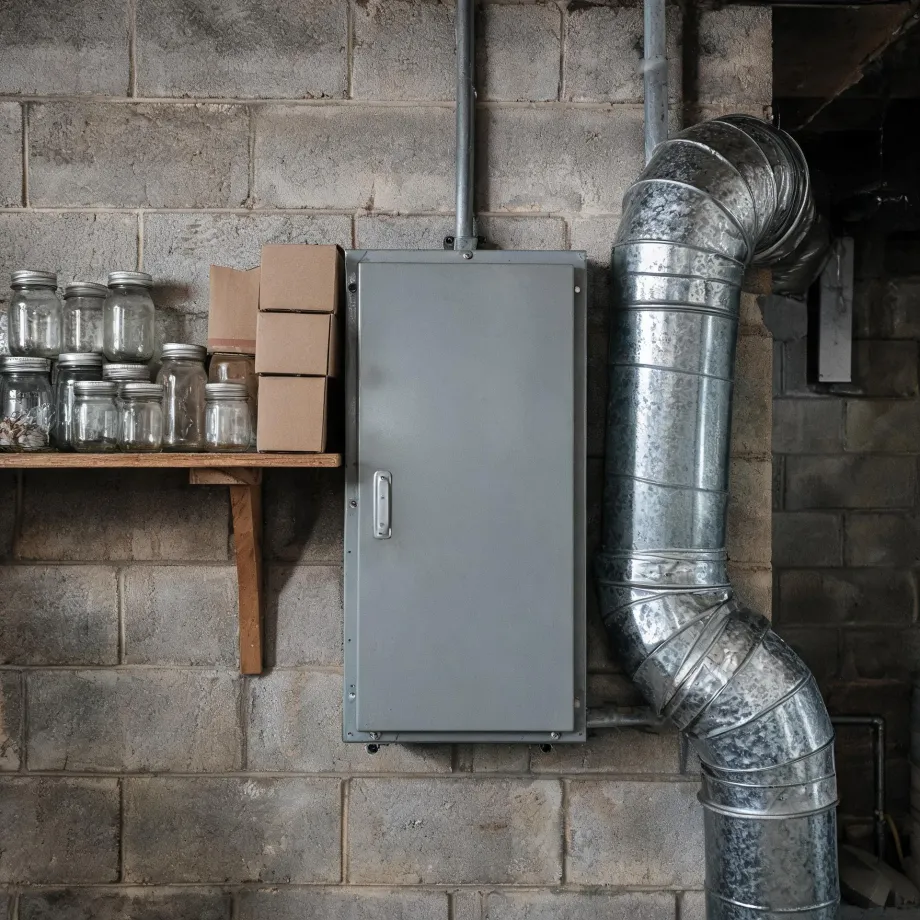
Ductwork laid down for an earlier generation of equipment does not automatically carry what a contractor installs today. Clearances, trunk sizes, and branch runs were set for something different, and a new furnace has to work within them or the system underperforms regardless of what the unit is rated at. Half the homes in Clark County, South Dakota were built in 1957 or earlier (2020-2024 ACS 5-year). That share of the housing stock was built around equipment with different load and airflow demands, so a contractor assessing a furnace installation here has to walk the duct runs and measure what they actually carry before the equipment selection makes sense.
What Gets Installed With a New Furnace
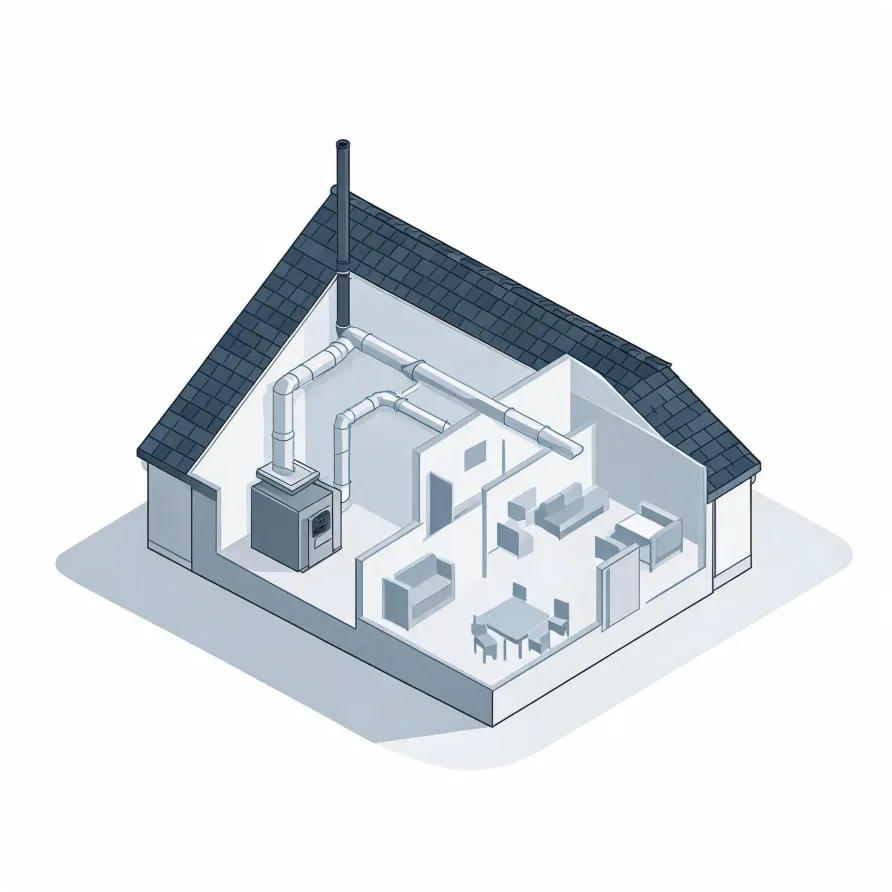
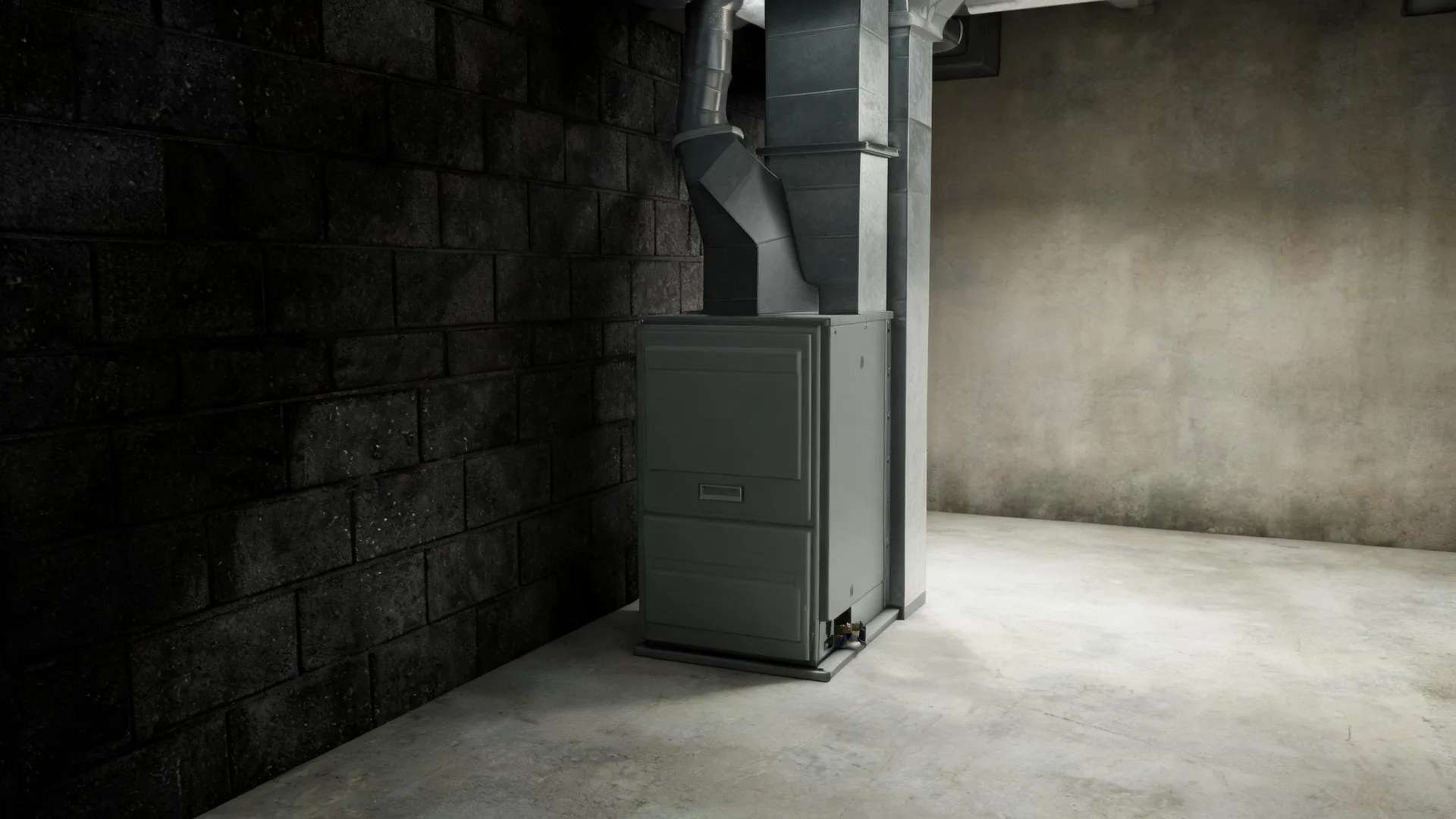
The furnace itself sits in a utility space, basement, or closet and is the unit that generates heat. A flue or venting pipe runs from the furnace to an exterior wall or roofline, carrying combustion gases out of the house. Together these two pieces are the core of what a contractor puts in.
The air handler or blower compartment, often built into the furnace cabinet, pushes conditioned air into the supply side of the house. A thermostat goes on an interior wall and gives the homeowner control over the whole system. The condensate drain line, where the equipment produces it, runs to a floor drain or utility sink nearby.
The drawing shows a general layout of how these pieces relate, and a licensed contractor determines exactly what applies to this house.
Find a contractor in Clark CountyClark County by the Numbers
148 severe weather events were recorded in Clark County, South Dakota between 2015 and 2024.
NOAA National Centers for Environmental Information, Storm Events Database, bulk CSV export, events 2015-01-01 through 2024-12-31.Half the homes in Clark County, South Dakota were built in 1957 or earlier (2020-2024 ACS 5-year).
U.S. Census Bureau, 2020-2024 American Community Survey 5-Year EstimatesClark County, South Dakota holds 1,609 housing units (2020-2024 ACS 5-year).
U.S. Census Bureau, 2020-2024 American Community Survey 5-Year EstimatesOwners occupy 77.5% of the occupied homes in Clark County, South Dakota (2020-2024 ACS 5-year).
U.S. Census Bureau, 2020-2024 American Community Survey 5-Year EstimatesFurnace & HVAC Installation Rules for Clark County, South Dakota4 codes, standards & citations
What the Installation Actually Looks Like
Non-weatherized gas furnaces manufactured on or after November 19, 2015 must reach 80.0 percent AFUE.
Non-weatherized oil-fired furnaces manufactured on or after November 19, 2015 must reach 83.0 percent AFUE.
Mobile home gas furnaces manufactured on or after November 19, 2015 must reach 80.0 percent AFUE.
Non-weatherized gas furnaces manufactured on or after December 18, 2028 must reach 95.0 percent AFUE, up from the 80.0 percent minimum that applies to units manufactured before that date.
Severe Weather Events in Clark County
Heating equipment in Clark County works against whatever the climate delivers, and local weather history is part of what shapes how hard that equipment has to work over its lifetime. A furnace sized and installed for real local conditions holds up differently than one that was not.
148 severe weather events, 2015–2024. Source: NOAA National Centers for Environmental Information, Storm Events Database.