Tell us about the job
Takes about a minute. No obligation.
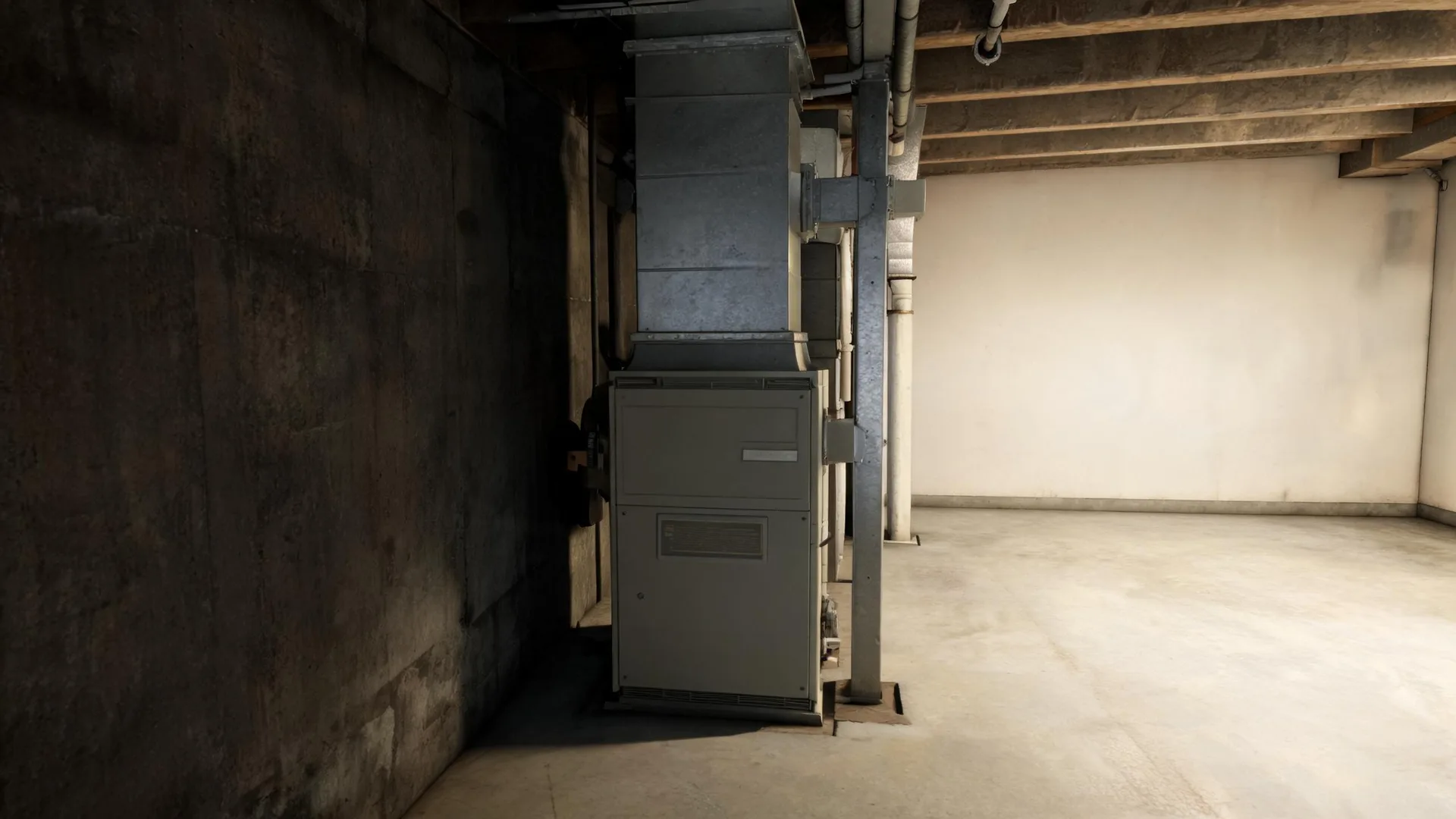
A contractor diagnosing a furnace in Clark County starts with the burner assembly and the heat exchanger, because those are the parts that cycle on and off every time the system calls for heat. Homes in Clark County, SD run heat about nine months a year, from September through May. That kind of cycling stresses the heat exchanger at its joints and welds, and cracks there are what let combustion gases into the living space. Igniter failure follows a similar pattern: repeated thermal stress wears the element down. A contractor who skips those components and heads straight to the control board is working in the wrong order.
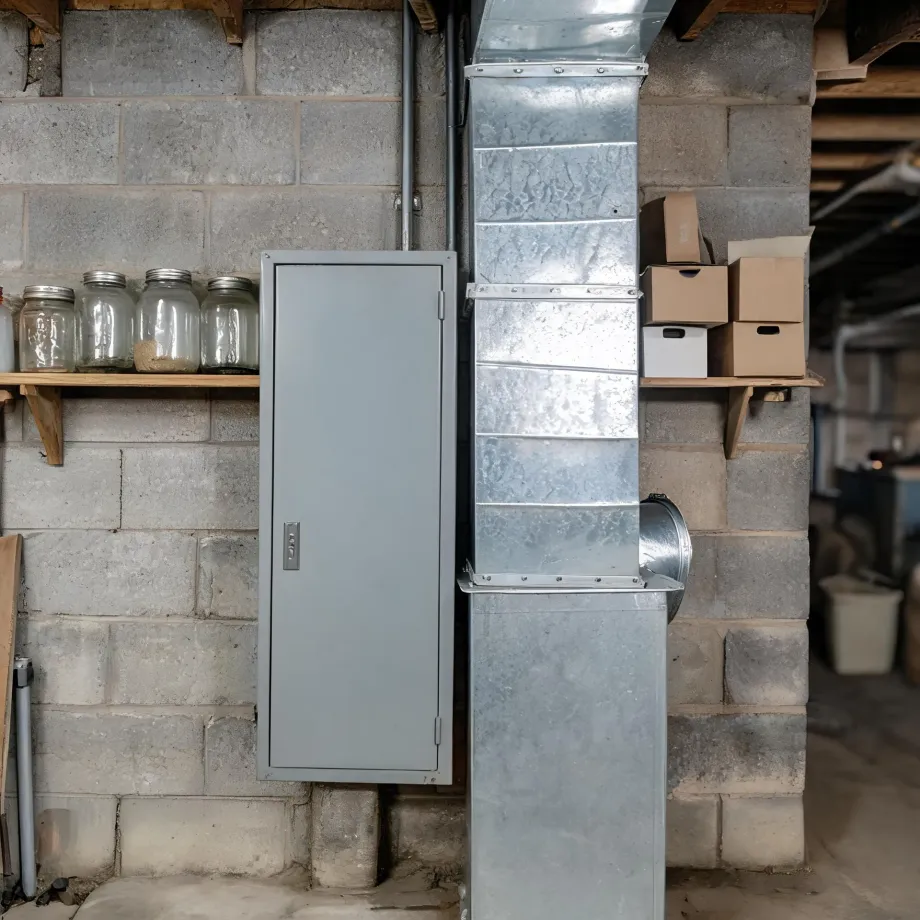
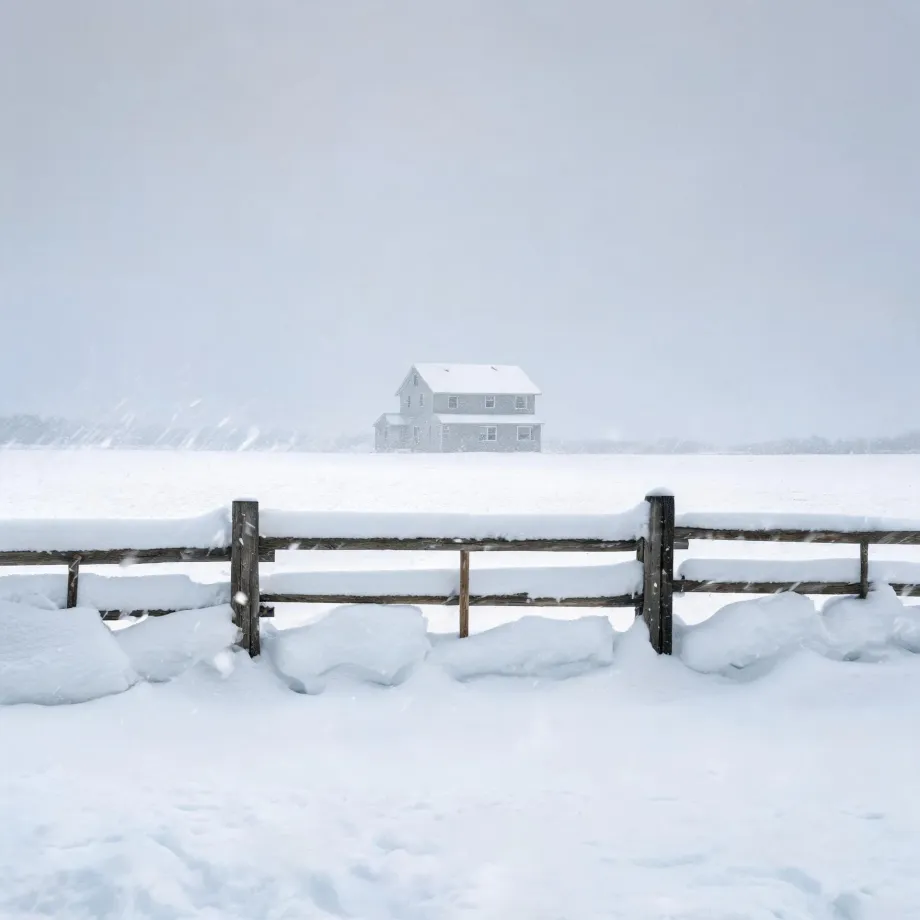
Ductwork laid down for an older furnace rarely gets replaced when the furnace does, and whatever that original sheet metal or flex has collected over the decades sits between the contractor and a clean diagnosis. Half the homes in Clark County, South Dakota were built in 1957 or earlier (2020-2024 ACS 5-year). A repair call here often turns on what the opened furnace reveals about how well the rest of the system has kept up: cracked heat exchangers, restricted flues, and joints that have shifted over time are findings, not assumptions. Parts availability for the equipment now running in these houses is the other variable a contractor prices against before the job is quoted.
The Parts of a Furnace a Contractor Checks First
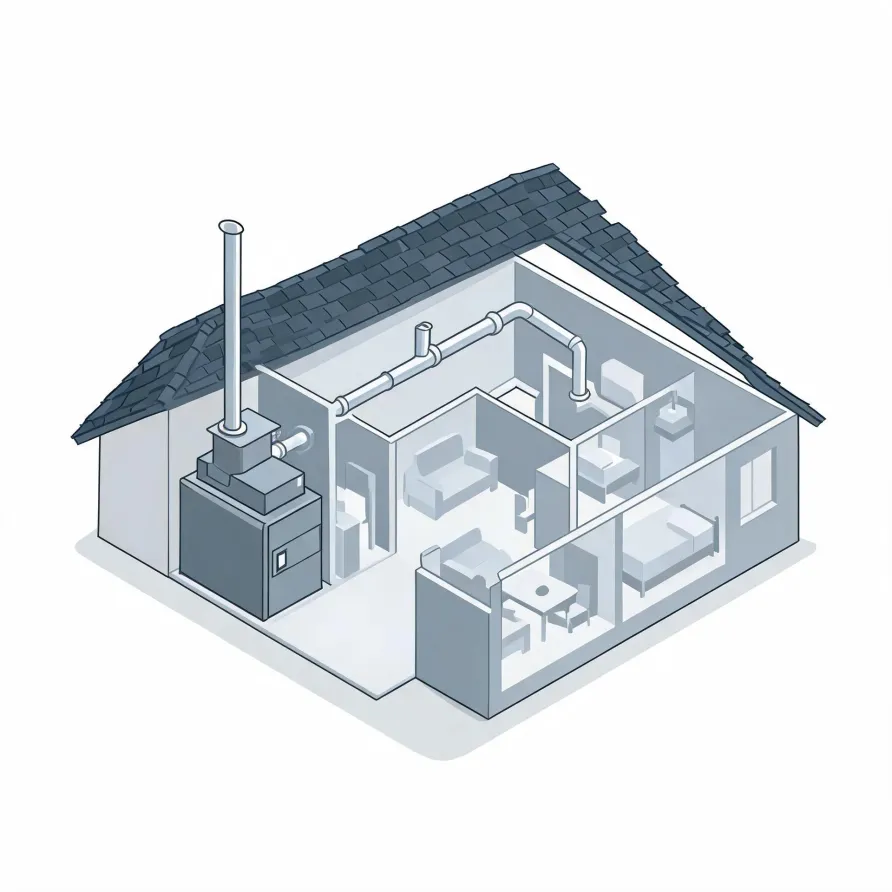
The furnace cabinet sits in a utility space, basement, or closet and is where the heat gets made. Inside it, the heat exchanger, burner assembly, and blower motor each play a distinct role. When something fails, a contractor reads the symptoms back to one of these components: a cracked heat exchanger leaks combustion gases, a faulty burner misfires or won't light, and a failed blower motor leaves the air going nowhere.
The flue pipe runs from the cabinet to the exterior and carries exhaust gases out of the house. The thermostat on the interior wall is where the homeowner sets demand, but it is also a control point a contractor tests when tracing an electrical or signaling fault. The condensate drain line, on a high-efficiency unit, routes moisture produced during combustion to a nearby drain.
The drawing shows a general layout of these components, and a licensed contractor determines what applies to your specific system and home.
Find a contractor in Clark CountyClark County by the numbers
148 severe weather events were recorded in Clark County, South Dakota between 2015 and 2024.
NOAA National Centers for Environmental Information, Storm Events Database, bulk CSV export, events 2015-01-01 through 2024-12-31.Half the homes in Clark County, South Dakota were built in 1957 or earlier (2020-2024 ACS 5-year).
U.S. Census Bureau, 2020-2024 American Community Survey 5-Year EstimatesClark County, South Dakota holds 1,609 housing units (2020-2024 ACS 5-year).
U.S. Census Bureau, 2020-2024 American Community Survey 5-Year EstimatesOwners occupy 77.5% of the occupied homes in Clark County, South Dakota (2020-2024 ACS 5-year).
U.S. Census Bureau, 2020-2024 American Community Survey 5-Year EstimatesFurnace & HVAC Repair Rules on Record for Clark County, South Dakota4 sourced standards & codes
What Happens When the Contractor Arrives
Non-weatherized gas furnaces manufactured on or after November 19, 2015 must reach 80.0 percent AFUE.
Non-weatherized oil-fired furnaces manufactured on or after November 19, 2015 must reach 83.0 percent AFUE.
Mobile home gas furnaces manufactured on or after November 19, 2015 must reach 80.0 percent AFUE.
Non-weatherized gas furnaces manufactured on or after December 18, 2028 must reach 95.0 percent AFUE, up from the 80.0 percent minimum that applies to units manufactured before that date.
Weather Stress on HVAC Equipment in Clark County
Heating equipment in Clark County works against whatever the local climate demands of it. The repair record for any furnace reflects that workload, which is why storm activity in this area is a practical backdrop to understanding what drives service needs here.
148 severe weather events, 2015–2024. Source: NOAA National Centers for Environmental Information, Storm Events Database.