Tell us about the job
Takes about a minute. No obligation.
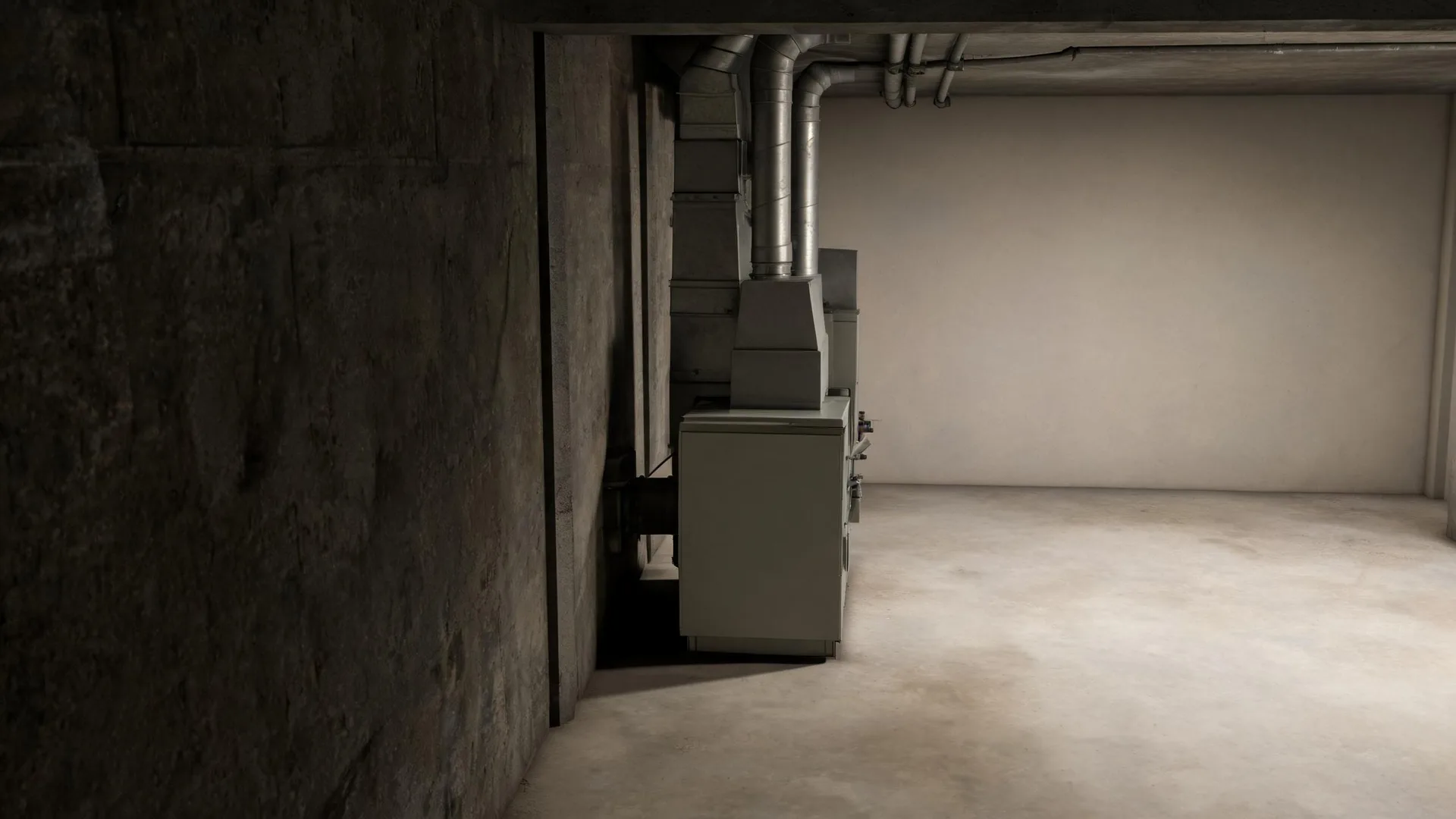
A contractor quoting furnace installation in Fall River County has to size the system for a burner that will cycle hard from autumn through late spring. Homes in Fall River County, SD run heat about nine months a year, from September through May. The heat exchanger and ignition system carry that load season after season, and a unit that is undersized or poorly commissioned does not get the breathing room a shorter season affords. Flaws in the ductwork, the fuel delivery, or the combustion setup show up fast when the burner rarely sits idle. That is why a thorough load calculation before the install matters more here than in a place where the equipment spends more of the year off.
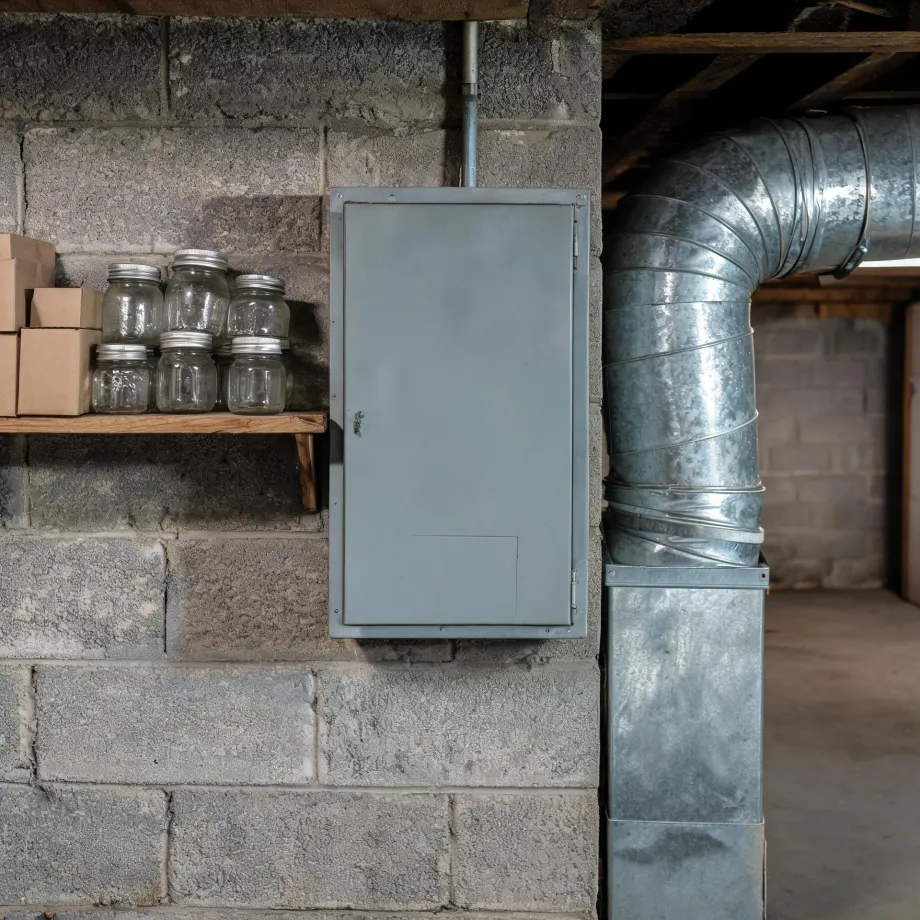
Ductwork laid down for an earlier generation of equipment does not automatically carry a new furnace well. The trunk sizes, the branch runs, the register placement, all of it was designed around what was standard when the house was built, and a modern furnace draws and distributes air differently enough that a contractor has to assess the existing system before anything else gets priced. Half the homes in Fall River County, South Dakota were built in 1972 or earlier (2020-2024 ACS 5-year). That spread across the county's housing tells a contractor that the duct configuration is where the installation question actually lives, not the equipment selection. Electrical service matters too, but a panel can be checked fast; ductwork that underdelivers to half the rooms takes longer to find and longer to fix.
What Gets Installed With a New Furnace
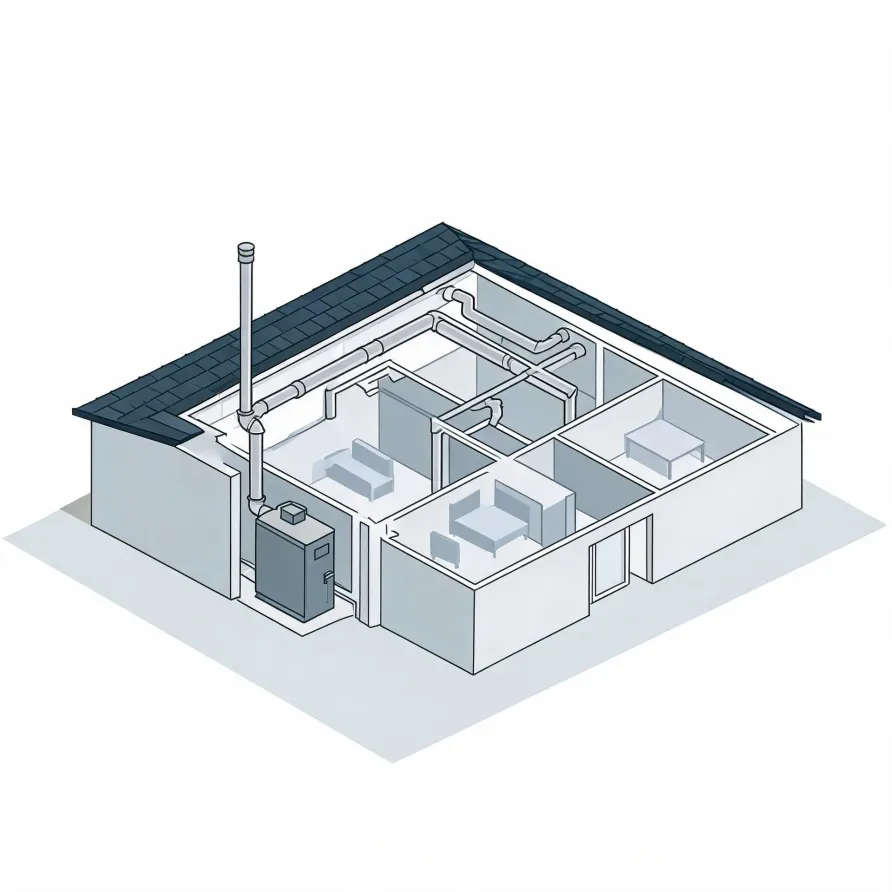
The furnace itself sits in a mechanical room, basement, or utility closet and is the unit that generates heat. Attached to it is the flue or vent pipe, which exits through a wall or roof and carries combustion gases out of the house. The air handler or blower assembly is built into the furnace cabinet and pushes conditioned air out to the rest of the home.
The thermostat mounts on an interior wall and is the control point the homeowner interacts with every day. A contractor also installs or ties into the condensate drain line, which removes moisture produced during operation, and connects the gas supply line that feeds the burner. Each of these connections is part of the same installation.
The drawing shows a typical layout, and a licensed contractor determines exactly what applies to your house.
Find a contractor in Fall River CountyFall River County, South Dakota, by the numbers
330 severe weather events were recorded in Fall River County, South Dakota between 2015 and 2024.
NOAA National Centers for Environmental Information, Storm Events Database, bulk CSV export, events 2015-01-01 through 2024-12-31.Half the homes in Fall River County, South Dakota were built in 1972 or earlier (2020-2024 ACS 5-year).
U.S. Census Bureau, 2020-2024 American Community Survey 5-Year EstimatesFall River County, South Dakota holds 4,093 housing units (2020-2024 ACS 5-year).
U.S. Census Bureau, 2020-2024 American Community Survey 5-Year EstimatesOwners occupy 72.4% of the occupied homes in Fall River County, South Dakota (2020-2024 ACS 5-year).
U.S. Census Bureau, 2020-2024 American Community Survey 5-Year EstimatesFurnace Installation Rules for Fall River County, South Dakota4 codes, standards, and licensing rules
What HVAC Installation Looks Like in Fall River County
Non-weatherized gas furnaces manufactured on or after November 19, 2015 must reach 80.0 percent AFUE.
Non-weatherized oil-fired furnaces manufactured on or after November 19, 2015 must reach 83.0 percent AFUE.
Mobile home gas furnaces manufactured on or after November 19, 2015 must reach 80.0 percent AFUE.
Non-weatherized gas furnaces manufactured on or after December 18, 2028 must reach 95.0 percent AFUE, up from the 80.0 percent minimum that applies to units manufactured before that date.
Severe Weather Events in Fall River County
Fall River County's climate puts real stress on heating equipment, and that stress compounds over years of hard winters and temperature swings. A furnace sized and installed for local conditions handles that load differently than one spec'd for somewhere milder, which is why weather history belongs on a page about installation work here.
330 severe weather events, 2015–2024. Source: NOAA National Centers for Environmental Information, Storm Events Database.