Tell us about the job
Takes about a minute. No obligation.
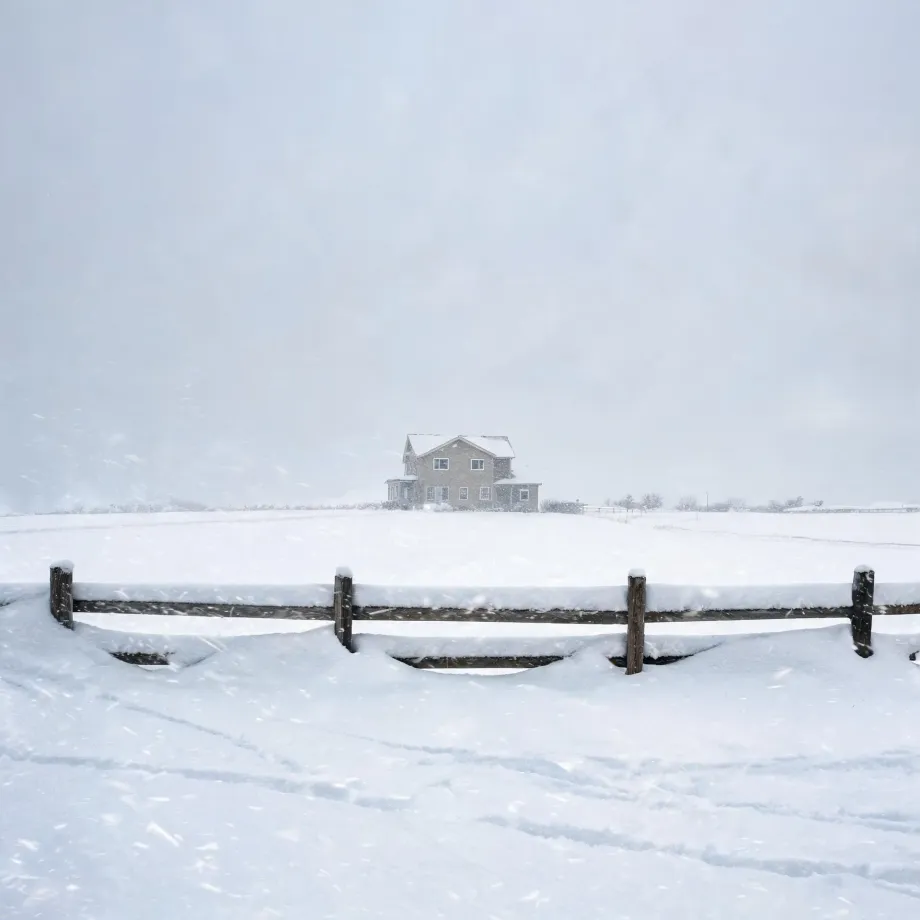
A furnace repair in Fall River County starts with what the equipment has already been through. Homes in Fall River County, SD run heat about nine months a year, from September through May. Burners cycle thousands of times across a season that long, and the heat exchanger and ignition system absorb that load year after year. By the time a furnace shows a fault, those components have earned close inspection first. A contractor who skips that step and patches the presenting symptom will likely be back when the underlying wear surfaces.
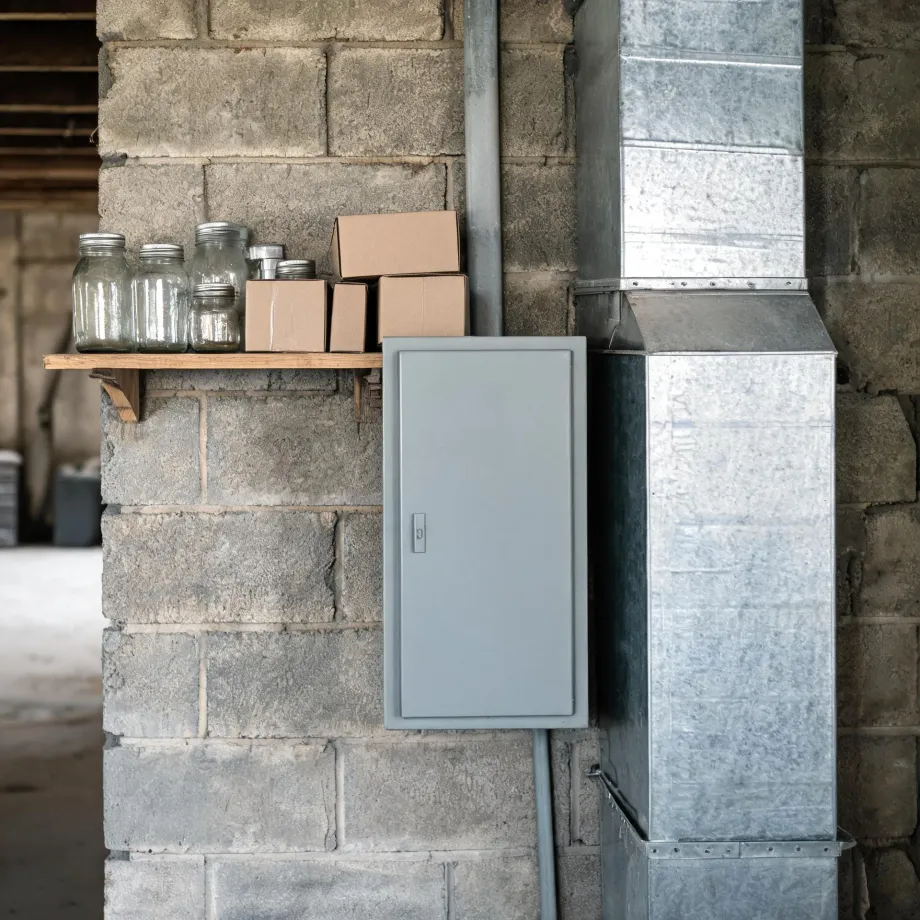
Ductwork and wiring installed for one generation of equipment, then adapted for the next, accumulate decisions that a contractor opening a furnace will have to account for: a cracked heat exchanger in a house like this did not crack in isolation. Half the homes in Fall River County, South Dakota were built in 1972 or earlier (2020-2024 ACS 5-year). That depth of housing stock means a repair call here frequently uncovers a flue connection or a limit switch that has been stressed by equipment it was never sized for, and the part that failed is often the one that absorbed what everything upstream asked of it.
The Parts of a Furnace a Contractor Checks First
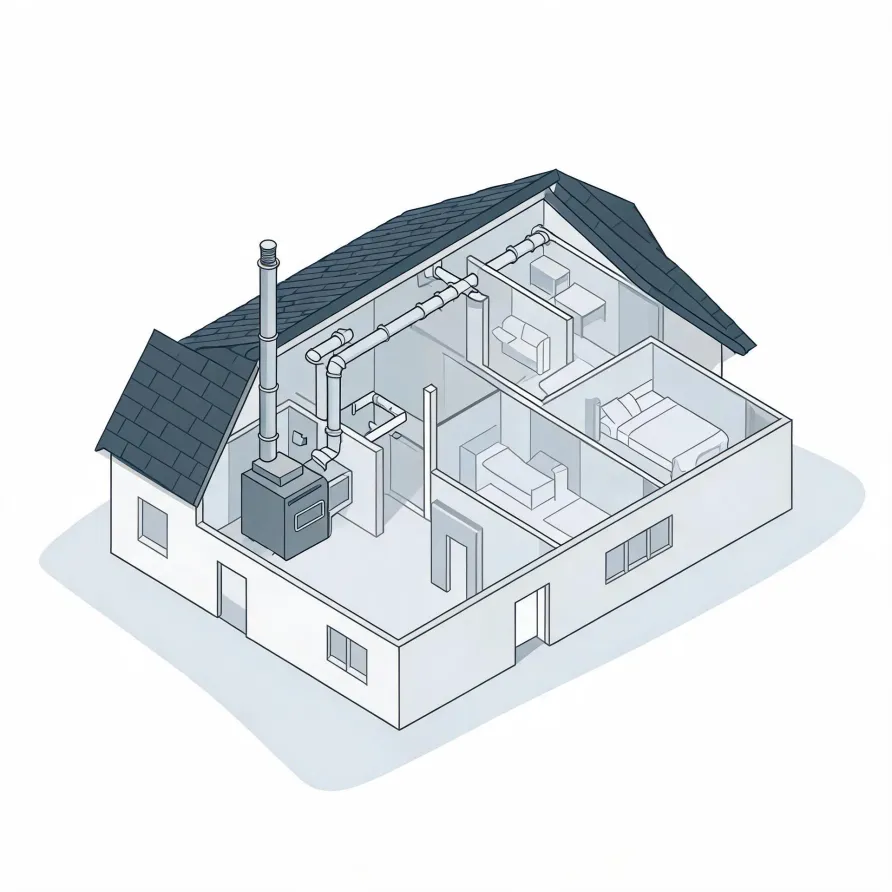
The furnace itself sits in a utility space, basement, or closet and is the piece a contractor goes to first. Inside it, the heat exchanger and burner assembly are where most failures start. A cracked heat exchanger, a failed igniter, or a faulty flame sensor will each stop the unit from producing heat in a distinct and diagnosable way.
The blower motor sits within the furnace cabinet and pushes conditioned air into the supply side of the house. The flue or vent pipe runs from the unit to an exterior wall or roofline and carries combustion gases out. The thermostat, mounted on an interior wall, is the control point, and a wiring or calibration fault there can mimic a much larger problem elsewhere in the system.
The drawing shows the general layout of a furnace system, and a licensed contractor determines which components apply and what condition they are in for your specific home.
Find a contractor in Fall River CountyFall River County, South Dakota, by the numbers
330 severe weather events were recorded in Fall River County, South Dakota between 2015 and 2024.
NOAA National Centers for Environmental Information, Storm Events Database, bulk CSV export, events 2015-01-01 through 2024-12-31.Half the homes in Fall River County, South Dakota were built in 1972 or earlier (2020-2024 ACS 5-year).
U.S. Census Bureau, 2020-2024 American Community Survey 5-Year EstimatesFall River County, South Dakota holds 4,093 housing units (2020-2024 ACS 5-year).
U.S. Census Bureau, 2020-2024 American Community Survey 5-Year EstimatesOwners occupy 72.4% of the occupied homes in Fall River County, South Dakota (2020-2024 ACS 5-year).
U.S. Census Bureau, 2020-2024 American Community Survey 5-Year EstimatesCodes & Standards Governing Furnace and HVAC Repair in Fall River County, South Dakota4 sourced rules and standards
What Happens When the Contractor Shows Up
Non-weatherized gas furnaces manufactured on or after November 19, 2015 must reach 80.0 percent AFUE.
Non-weatherized oil-fired furnaces manufactured on or after November 19, 2015 must reach 83.0 percent AFUE.
Mobile home gas furnaces manufactured on or after November 19, 2015 must reach 80.0 percent AFUE.
Non-weatherized gas furnaces manufactured on or after December 18, 2028 must reach 95.0 percent AFUE, up from the 80.0 percent minimum that applies to units manufactured before that date.
Severe Weather History in Fall River County
Heating equipment in Fall River County works against whatever the local climate delivers, and weather stress accumulates inside a system over time. Repair needs here are shaped by local conditions, which is why that record belongs on a page about furnace work.
330 severe weather events, 2015–2024. Source: NOAA National Centers for Environmental Information, Storm Events Database.