Tell us about the job
Takes about a minute. No obligation.
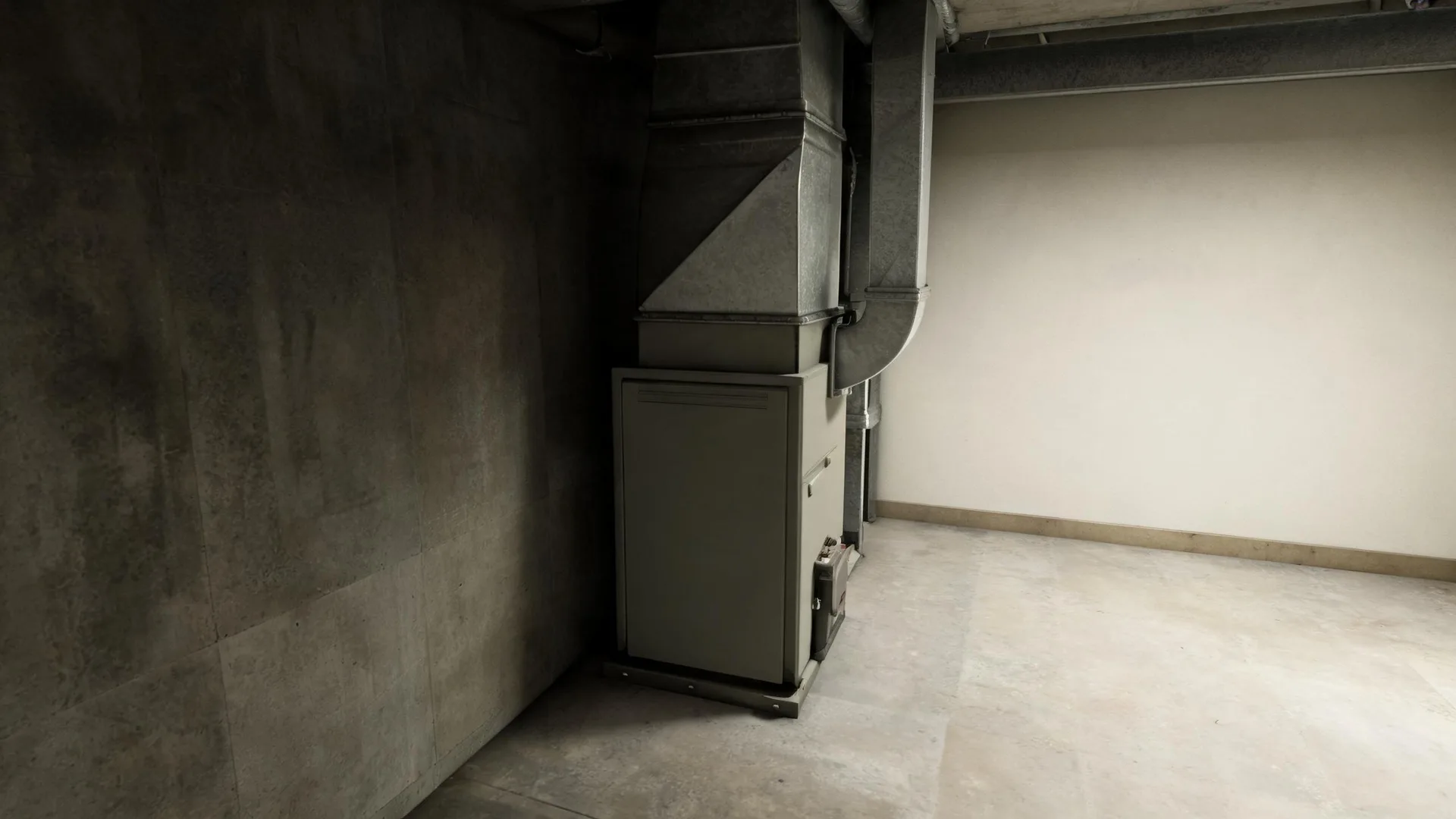
The burner, heat exchanger, and ignition system in a Lawrence County furnace spend very little of the year sitting idle. Homes in Lawrence County, SD run heat about ten months a year, from September through June. That almost unbroken run concentrates wear on exactly the parts that cycle with every call for heat, and those are what a contractor checks first when a furnace starts behaving badly. A cracked heat exchanger or a failing igniter on a system that has been firing since September tells a different story than one that gave out after a short season, and the repair scope follows from that distinction.
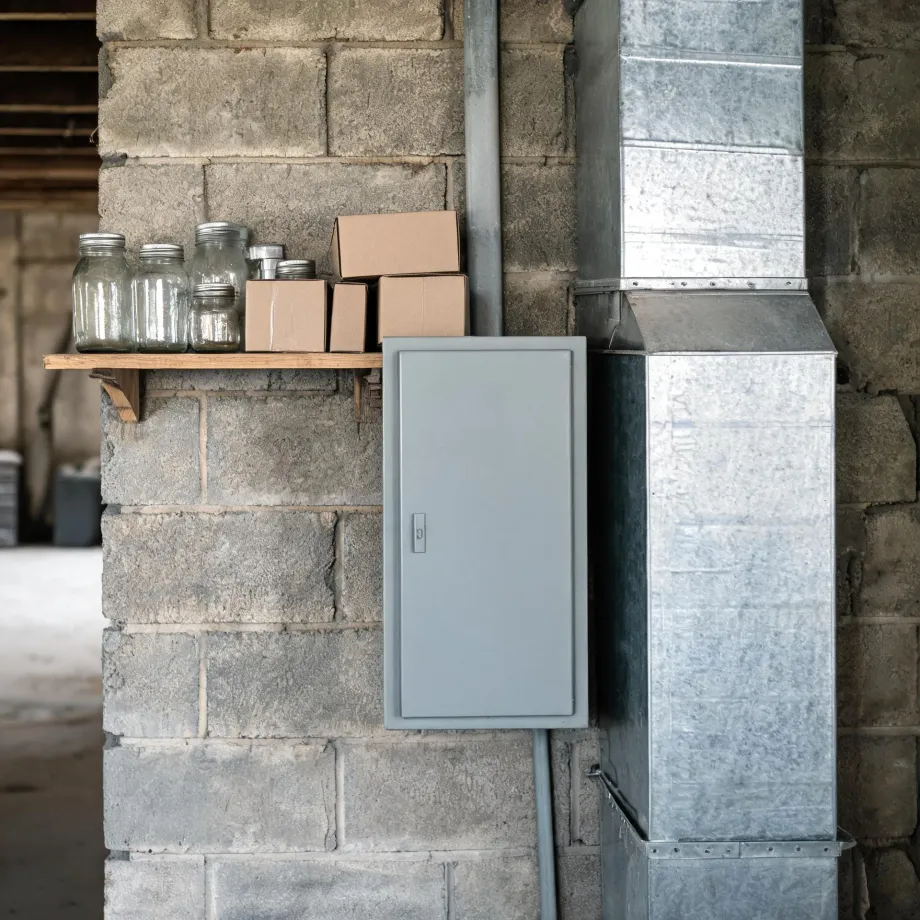
Furnace stock in a county where much of the housing predates current equipment runs longer on original components than owners tend to realize, and the repair scope usually reveals itself only once the unit is opened. Half the homes in Lawrence County, South Dakota were built in 1987 or earlier (2020-2024 ACS 5-year). That means a technician pulling a heat exchanger or a burner assembly in this area is working out whether a replacement part is still in the supply chain, not just whether the component has failed. When a part has been discontinued, the repair becomes a different job with a different price.
The Parts of a Furnace a Contractor Checks First
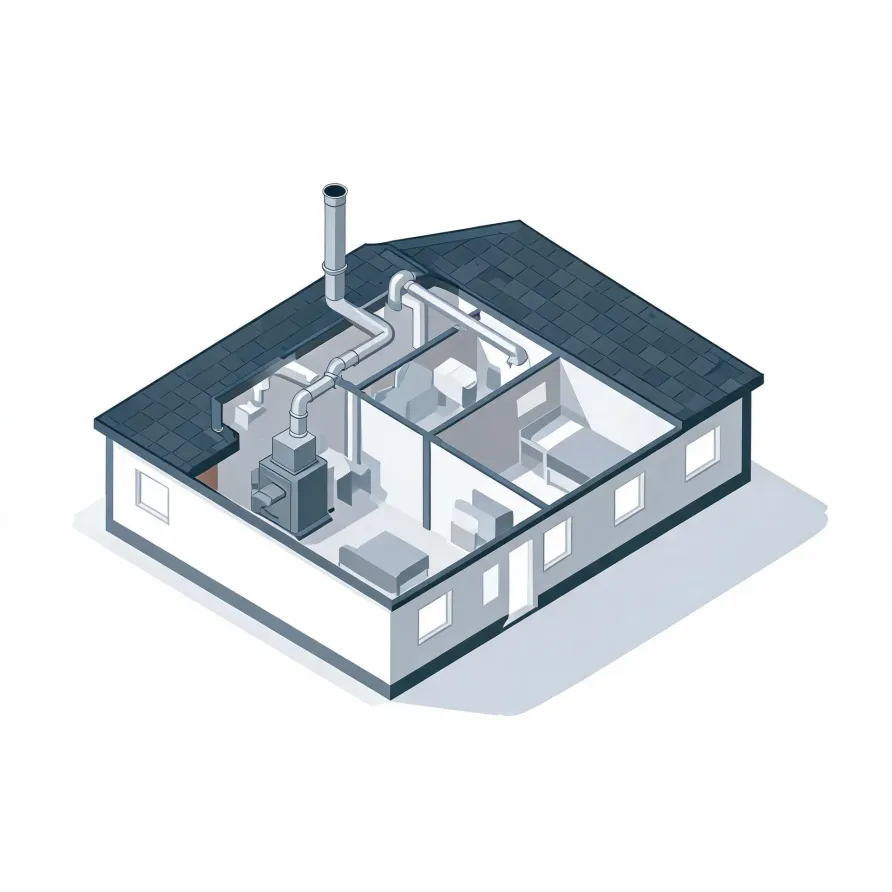
The furnace itself sits in a basement, utility room, or closet and is the piece a contractor goes to first. Inside it, the heat exchanger is the part most worth knowing about: cracks or corrosion there affect both heating and safety. The burners, which sit directly below it, are another early stop when a furnace is failing to heat properly.
The blower motor sits at the base of the furnace cabinet and pushes conditioned air through the house. The flue pipe runs from the furnace to an exterior wall or roof and carries combustion gases out. The thermostat on the wall is where a contractor often starts, because a wiring or calibration fault there can mimic a furnace problem.
The drawing shows a typical furnace layout, and a licensed contractor determines which components apply to the specific system in your home.
Find a contractor in Lawrence CountyLawrence County by the Numbers
390 severe weather events were recorded in Lawrence County, South Dakota between 2015 and 2024.
NOAA National Centers for Environmental Information, Storm Events Database, bulk CSV export, events 2015-01-01 through 2024-12-31.Half the homes in Lawrence County, South Dakota were built in 1987 or earlier (2020-2024 ACS 5-year).
U.S. Census Bureau, 2020-2024 American Community Survey 5-Year EstimatesLawrence County, South Dakota holds 14,840 housing units (2020-2024 ACS 5-year).
U.S. Census Bureau, 2020-2024 American Community Survey 5-Year EstimatesOwners occupy 65.1% of the occupied homes in Lawrence County, South Dakota (2020-2024 ACS 5-year).
U.S. Census Bureau, 2020-2024 American Community Survey 5-Year EstimatesCodes & Standards Governing Furnace and HVAC Repair in Lawrence County, South Dakota4 sourced rules and standards
What HVAC Repair Looks Like in Lawrence County
Non-weatherized gas furnaces manufactured on or after November 19, 2015 must reach 80.0 percent AFUE.
Non-weatherized oil-fired furnaces manufactured on or after November 19, 2015 must reach 83.0 percent AFUE.
Mobile home gas furnaces manufactured on or after November 19, 2015 must reach 80.0 percent AFUE.
Non-weatherized gas furnaces manufactured on or after December 18, 2028 must reach 95.0 percent AFUE, up from the 80.0 percent minimum that applies to units manufactured before that date.
Severe Weather Events in Lawrence County
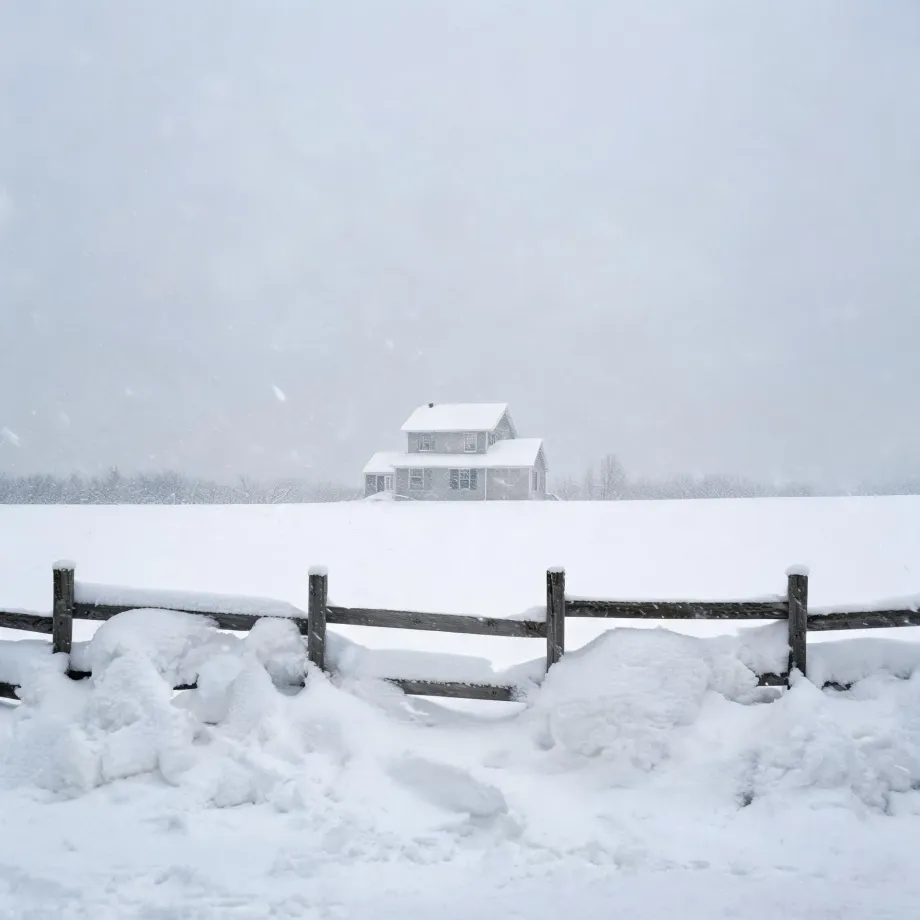
Weather in Lawrence County puts a real load on heating equipment. How hard a furnace works, and how often it fails, is tied directly to what the local climate demands of it.
390 severe weather events, 2015–2024. Source: NOAA National Centers for Environmental Information, Storm Events Database.