Tell us about the job
Takes about a minute. No obligation.
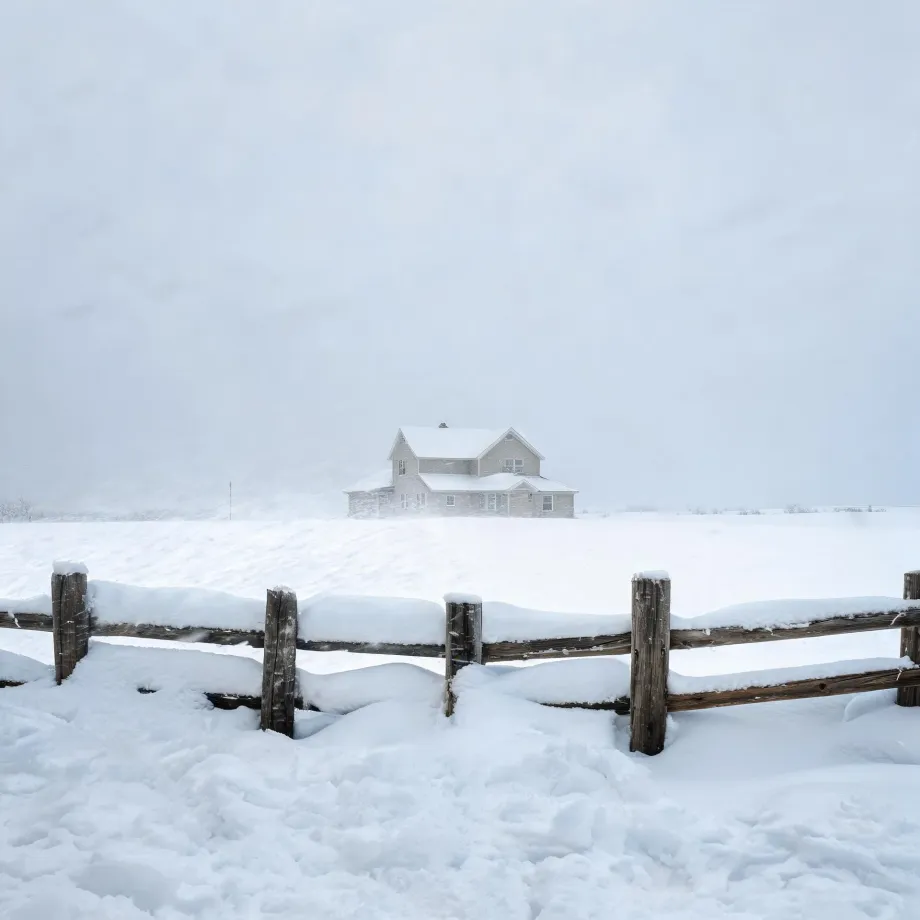
A furnace in Clay County puts most of its wear on the heat exchanger and ignition system, and a contractor diagnosing a repair here opens with those parts, not the ones that cycle only occasionally. Homes in Clay County, SD run heat about eight months a year, from October through May. The burner fires and the igniter trips hundreds of times each season, and by the time a homeowner calls for a repair, those components have already absorbed years of that load. Cracks in the heat exchanger and a degraded igniter are common findings, not surprises.
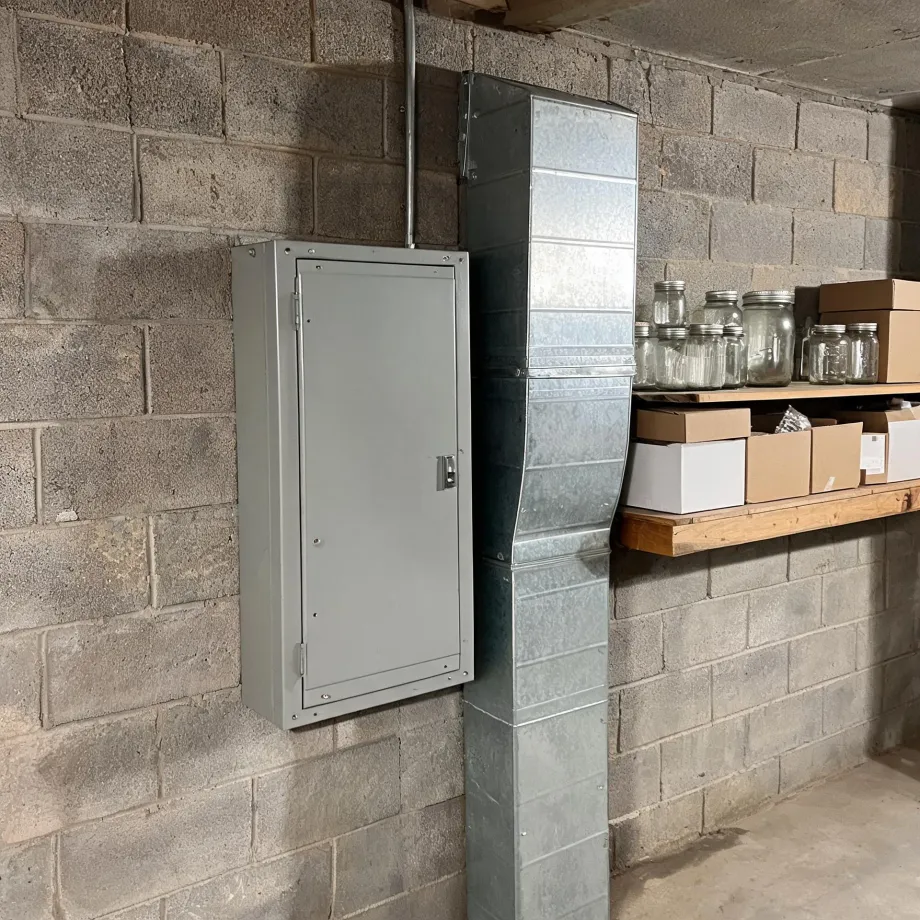
Ductwork in a house this old has been patched, rerouted, and asked to carry systems it was never sized for, and that history shows up once a furnace is opened. Half the homes in Clay County, South Dakota were built in 1976 or earlier (2020-2024 ACS 5-year). What a contractor finds in the heat exchanger and the flue connections in stock like this tends to reflect cycles of strain that accumulate gradually and go unnoticed until a repair surfaces them. A crack in a heat exchanger or a joint that has shifted in its fitting is not a surprise find here; it is what that many heating seasons produce.
The Parts of a Furnace a Contractor Checks First
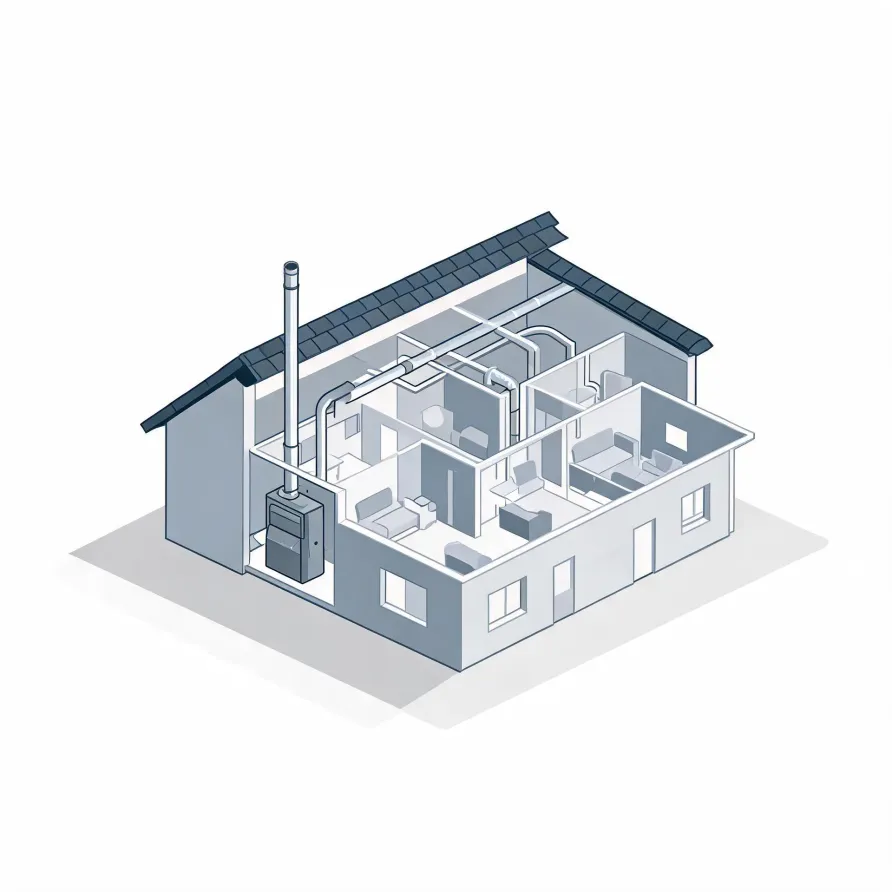
The furnace itself sits in a utility space, basement, or closet and is where heat is generated. Inside it, the heat exchanger transfers warmth to the air, the burners produce the combustion, and the blower motor pushes that air out. When a furnace stops heating or cycles strangely, a contractor's attention goes to these components first.
The flue pipe runs from the furnace to an exterior wall or roofline and carries combustion gases out of the house. The thermostat, mounted on a main living area wall, sends the signals that tell the furnace when to fire and when to stop. A faulty signal from the thermostat or a blocked flue can look like a furnace problem before the furnace itself is touched.
The drawing shows a typical furnace layout, and a licensed contractor determines what applies to your specific home.
Find a contractor in Clay CountyClay County, South Dakota, by the numbers
99 severe weather events were recorded in Clay County, South Dakota between 2015 and 2024.
NOAA National Centers for Environmental Information, Storm Events Database, bulk CSV export, events 2015-01-01 through 2024-12-31.Half the homes in Clay County, South Dakota were built in 1976 or earlier (2020-2024 ACS 5-year).
U.S. Census Bureau, 2020-2024 American Community Survey 5-Year EstimatesClay County, South Dakota holds 6,262 housing units (2020-2024 ACS 5-year).
U.S. Census Bureau, 2020-2024 American Community Survey 5-Year EstimatesOwners occupy 50.8% of the occupied homes in Clay County, South Dakota (2020-2024 ACS 5-year).
U.S. Census Bureau, 2020-2024 American Community Survey 5-Year EstimatesCodes & Standards Governing Furnace and HVAC Repair in Clay County, South Dakota4 sourced rules and standards
What happens when the contractor comes out
Non-weatherized gas furnaces manufactured on or after November 19, 2015 must reach 80.0 percent AFUE.
Non-weatherized oil-fired furnaces manufactured on or after November 19, 2015 must reach 83.0 percent AFUE.
Mobile home gas furnaces manufactured on or after November 19, 2015 must reach 80.0 percent AFUE.
Non-weatherized gas furnaces manufactured on or after December 18, 2028 must reach 95.0 percent AFUE, up from the 80.0 percent minimum that applies to units manufactured before that date.
Severe Weather Events in Clay County
Weather puts real mechanical load on furnace equipment. What this county sees shapes how hard local systems work and how often repair needs come up.
99 severe weather events, 2015–2024. Source: NOAA National Centers for Environmental Information, Storm Events Database.