Tell us about the job
Takes about a minute. No obligation.
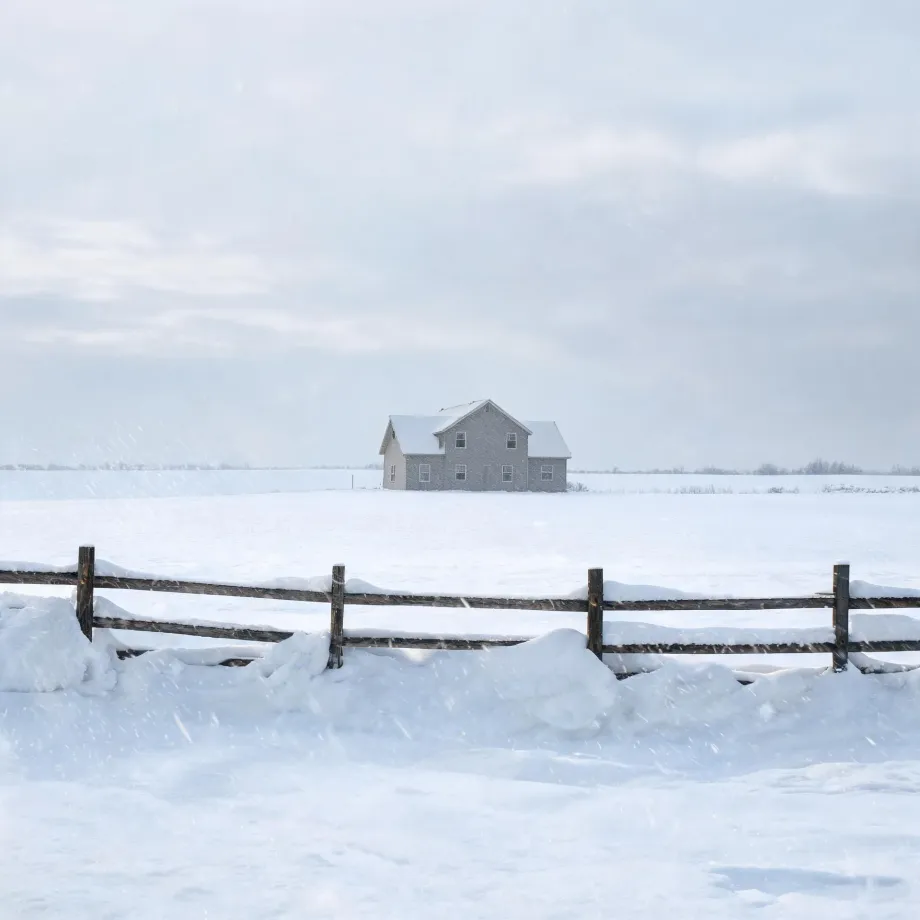
The burner, heat exchanger, and ignition system in a Codington County furnace earn their wear honestly. Homes in Codington County, SD run heat about nine months a year, from September through May. Each startup cycle stresses the igniter and the heat exchanger in small, cumulative ways, and a long run of them leaves marks a contractor can find: cracks in the exchanger, an igniter drawing more current than it should, a pressure switch that trips on cold mornings. A contractor quoting a repair here is working from what those components have already been through, not from a general estimate of furnace age.
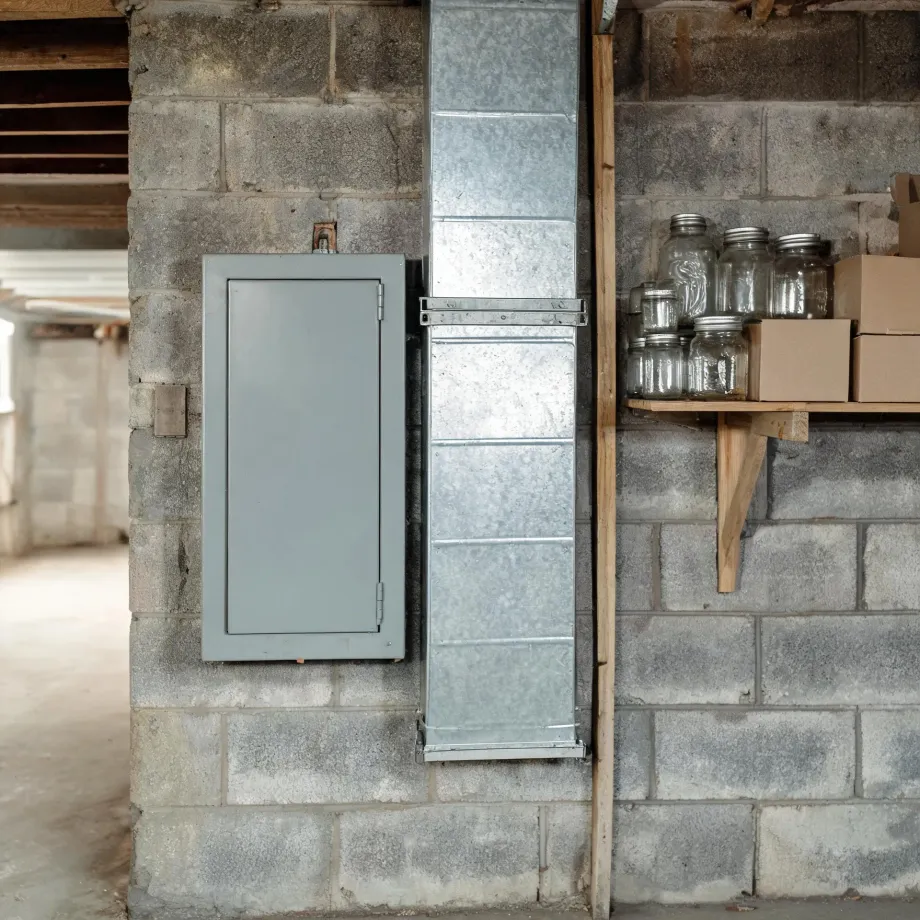
Furnace repair in an older house often comes down to what the opened unit actually contains: not the thermostat, not the filter, but the heat exchanger, the igniter, the control board, and whether any of those are still in production. Half the homes in Codington County, South Dakota were built in 1978 or earlier (2020-2024 ACS 5-year). A system running in a house from that era was likely installed as a replacement for something even older, which means the ductwork and the electrical around it were sized for a previous generation of equipment. When a part fails, the contractor's question is whether a current replacement fits what is already there, or whether the repair opens a wider conversation about what the furnace is sitting inside.
The Parts of a Furnace a Contractor Checks First
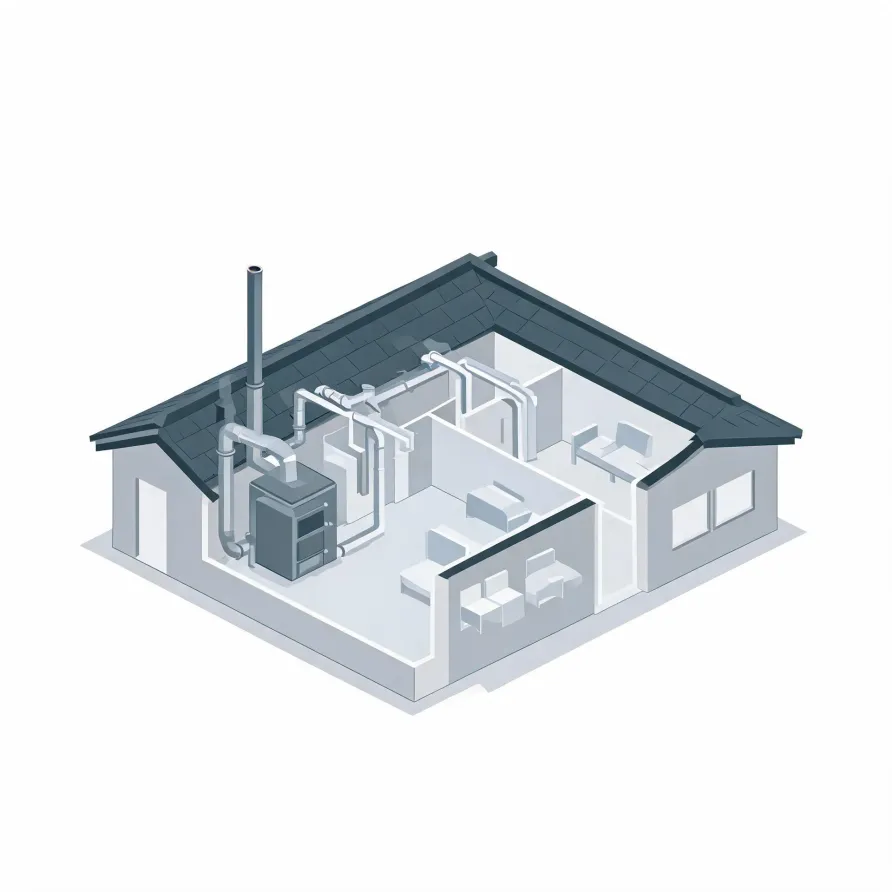
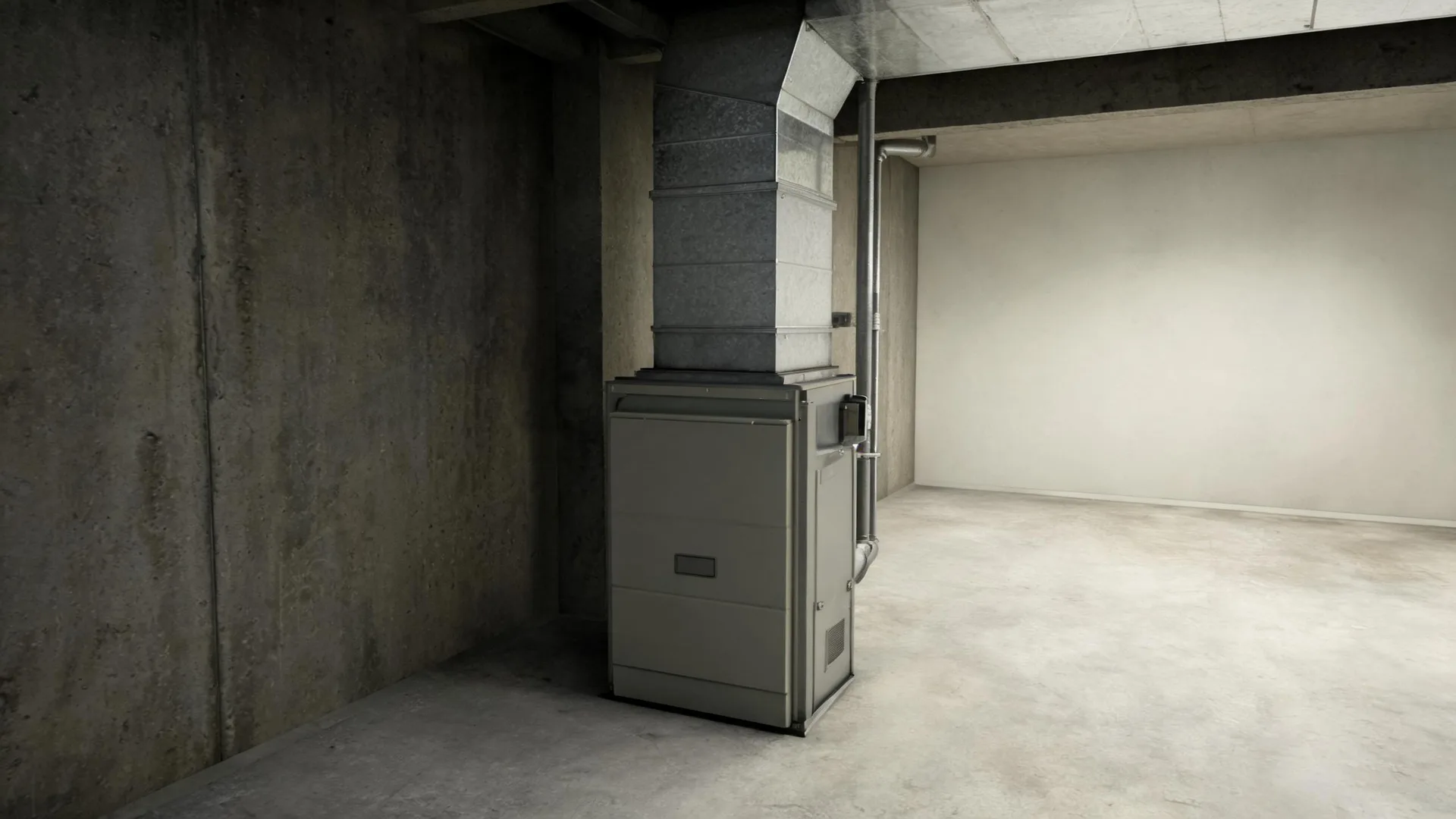
The furnace itself sits in the basement, utility room, or a dedicated mechanical closet, and it is the piece a contractor goes to first. Inside it, the heat exchanger and burner assembly are the usual suspects when heat stops arriving or arrives wrong. A cracked heat exchanger or a burner that will not stay lit accounts for a large share of calls.
The blower motor sits inside the furnace cabinet and pushes conditioned air out through the supply side of your duct system. The flue or exhaust vent runs from the furnace to an exterior wall or roof and carries combustion gases out of the house. A contractor checks both: the motor for wear and the flue for blockage or back-drafting.
The drawing shows the general layout of a furnace system, and a licensed contractor determines which components are relevant to your specific house.
Find a contractor in Codington CountyCodington County, by the numbers
167 severe weather events were recorded in Codington County, South Dakota between 2015 and 2024.
NOAA National Centers for Environmental Information, Storm Events Database, bulk CSV export, events 2015-01-01 through 2024-12-31.Half the homes in Codington County, South Dakota were built in 1978 or earlier (2020-2024 ACS 5-year).
U.S. Census Bureau, 2020-2024 American Community Survey 5-Year EstimatesCodington County, South Dakota holds 13,533 housing units (2020-2024 ACS 5-year).
U.S. Census Bureau, 2020-2024 American Community Survey 5-Year EstimatesOwners occupy 69.8% of the occupied homes in Codington County, South Dakota (2020-2024 ACS 5-year).
U.S. Census Bureau, 2020-2024 American Community Survey 5-Year EstimatesCodes & Standards for Furnace and HVAC Repair in Codington County, South Dakota4 sourced rules and standards
What Happens When the Contractor Arrives
Non-weatherized gas furnaces manufactured on or after November 19, 2015 must reach 80.0 percent AFUE.
Non-weatherized oil-fired furnaces manufactured on or after November 19, 2015 must reach 83.0 percent AFUE.
Mobile home gas furnaces manufactured on or after November 19, 2015 must reach 80.0 percent AFUE.
Non-weatherized gas furnaces manufactured on or after December 18, 2028 must reach 95.0 percent AFUE, up from the 80.0 percent minimum that applies to units manufactured before that date.
Severe Weather Events in Codington County
Extreme weather puts real strain on furnace components, cycling them hard through temperature swings they were not built to absorb indefinitely. How much of that strain a furnace takes on depends on what the local climate actually delivers, which is why the record below matters for repair work in this area.
167 severe weather events, 2015–2024. Source: NOAA National Centers for Environmental Information, Storm Events Database.