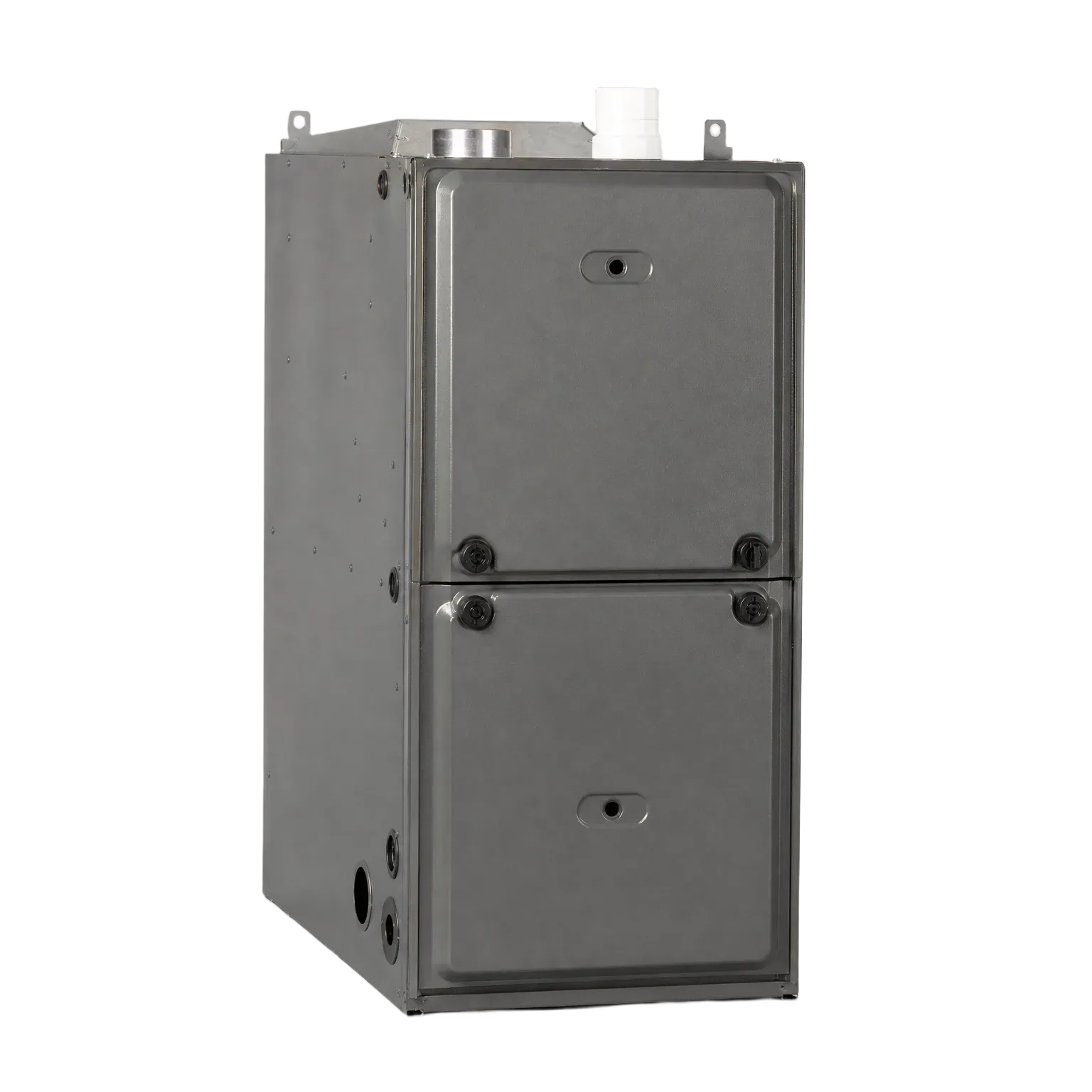
Burners lighting the way they should
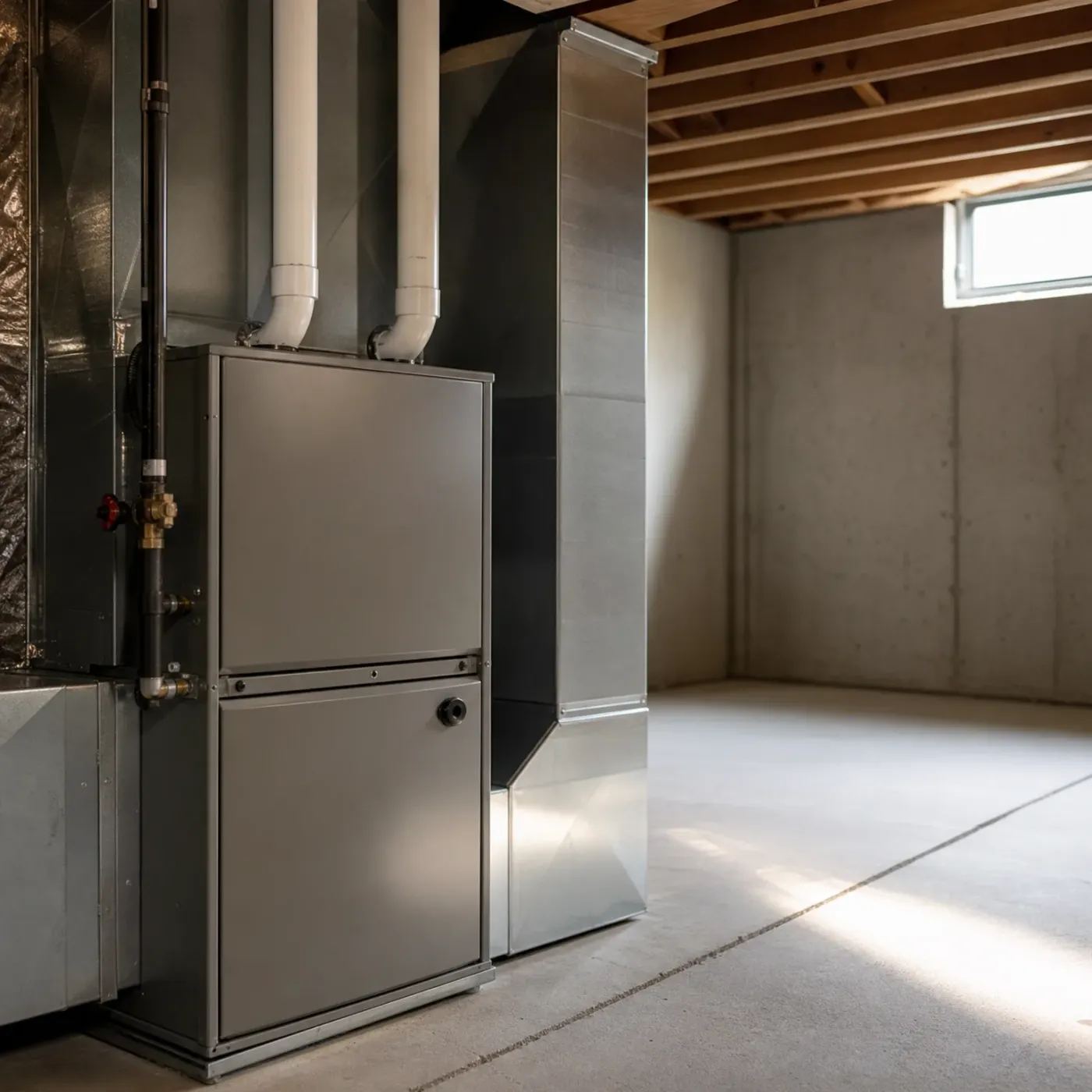
The flame catches right when the igniter glows, all the burner ports lit within a second. No delay, no pocket of built-up gas waiting to go off. The furnace cycles on quiet, just the blower spinning up after.
A loud bang when your furnace fires up isn't something to get used to. It usually happens right as the burners light, sometimes loud enough to make the whole duct system rattle or the floor near the vent shake a little. With gas heat running most of the day on the cold stretches here, that noise is going to happen over and over until something is done about it.
That bang is usually delayed ignition. Gas flows into the burner chamber for a second or two before the igniter actually lights it, and if that delay is longer than it should be, the gas pools up and lights all at once instead of catching right away. A dirty burner or a weak igniter is often the reason for the delay. It can also mean a cracked heat exchanger, which is worth having checked since that part isn't safe to ignore. Either way, the noise won't fix itself, and it tends to get louder and more frequent the longer it runs on cold South Dakota mornings before a furnace technician looks at it.
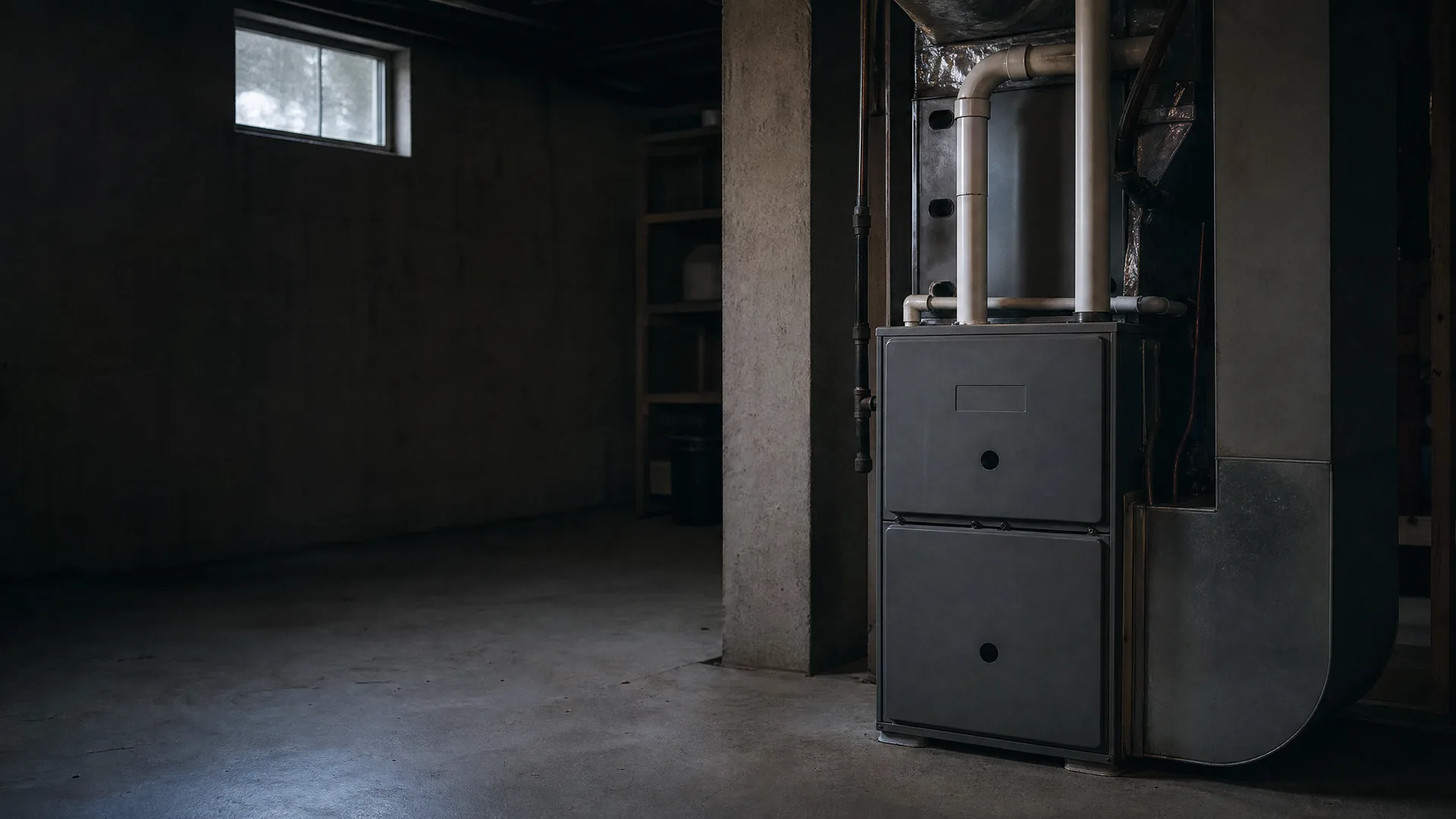
You're down in the basement in November, pulling a box off the shelf, when the furnace kicks on. The bang comes a half second after the burners should've caught, loud enough that you flinch and look over. Then nothing. No flame glow through the door seam, no warm air starting up through the vents. Just the furnace sitting there dark, quiet, a little dust still hanging in the air near the cabinet from the noise. Outside it's already dropping toward freezing. You stand there a second, waiting to see if it tries again on its own. It doesn't.

The flame catches right when the igniter glows, all the burner ports lit within a second. No delay, no pocket of built-up gas waiting to go off. The furnace cycles on quiet, just the blower spinning up after.

The bang on startup means gas is pooling before it catches. Left alone, that stress on the heat exchanger adds up. A technician who services these furnaces every winter in South Dakota can usually tell from the sound alone whether it's the igniter or something further along.




Your request goes to one pro, not a list of companies.
You're not committing to anything by asking.
The gap between the igniter glowing and the burners catching is supposed to be well under a second. Once that gap stretches, even a little, enough gas collects to light with a bang instead of a catch.
That delay points to the igniter or the flame sensor almost every time, not the gas valve itself. A furnace repair tech can check both in a single visit instead of guessing which one failed.


The burners in a gas furnace are built to light together, all the ports catching within a fraction of a second of each other. That timing depends on the igniter reaching full heat and holding it. When it doesn't, the flame has to spread port to port instead of catching all at once, and that spread takes time. Meanwhile the gas valve is already open, working off a timer set by the control board, not waiting to see if the igniter is ready. So gas keeps filling the chamber while the flame is still catching up. A flame sensor coated in oxidation adds to this, since it can still detect fire but takes longer to confirm it, which delays the next part of the cycle. Where the duct system sits can change what you hear too. Negative pressure can pull that delayed flame sideways instead of letting it rise straight, which changes the sound of the bang itself. Not every bang is ignition timing. A cracked heat exchanger can make a similar sound from metal expanding unevenly as it heats.


Winter nights across South Dakota average 11°F, according to NOAA. That kind of cold means your furnace is firing often, sometimes running most of the night to keep up. Every one of those startups depends on the igniter glowing hot enough and the burners catching together right away. Cold snaps put more cycles through that igniter and that gas valve than a mild night would, and a part already wearing out tends to show it sooner once the temperature drops. If the banging started or got worse once the nights turned cold, that's not a coincidence. It's the same startup problem happening more often because your furnace is working harder to keep the house warm.
NOAA nClimDiv 1991-2020 county normals weighted by homes
A bang at startup almost always traces back to the igniter or the burner ports, and either one is a straightforward repair for someone who works on furnaces all winter in South Dakota cold. It's not a reason to put off calling, since the delay that causes the bang usually gets worse, not better, as the igniter weakens further. Finding someone to look at it is the part that's simple here. You get matched with one licensed contractor local to you, someone who's seen this exact bang on other furnaces in other basements this season and knows whether it's the igniter, a dirty flame sensor, or something with the burner ports themselves. No sorting through several companies, no retelling the story of the bang to one call center after another. Just one contractor who already knows what usually causes it, ready to find out which one it is in yours.
The pro who reaches out is licensed in South Dakota.
It costs nothing to send, and you don't have to hire anyone.