
Electric furnace limit switch
What does a limit switch do on an electric furnace?
An electric furnace runs hot air past a set of heating elements, and the limit switch is what keeps that heat in check. It reads the air temperature inside the plenum, and if things run hotter than they should, it steps in. South Dakota winters mean your furnace runs long stretches at a time, so this switch works through every cycle without you ever seeing it.
It shuts off the heating elements before the furnace overheats
Think of the limit switch as a safety valve for heat. When airflow drops, through a clogged filter, a closed vent or a duct problem, the air around the heating elements gets hotter than the furnace is built to handle. The switch senses that and cuts power to the elements until things cool back down. If your furnace is blowing cold air, shutting off early or tripping on and off, a contractor can check whether the limit switch itself has failed or whether it's doing its job and shutting things down because of a problem somewhere else in the system.
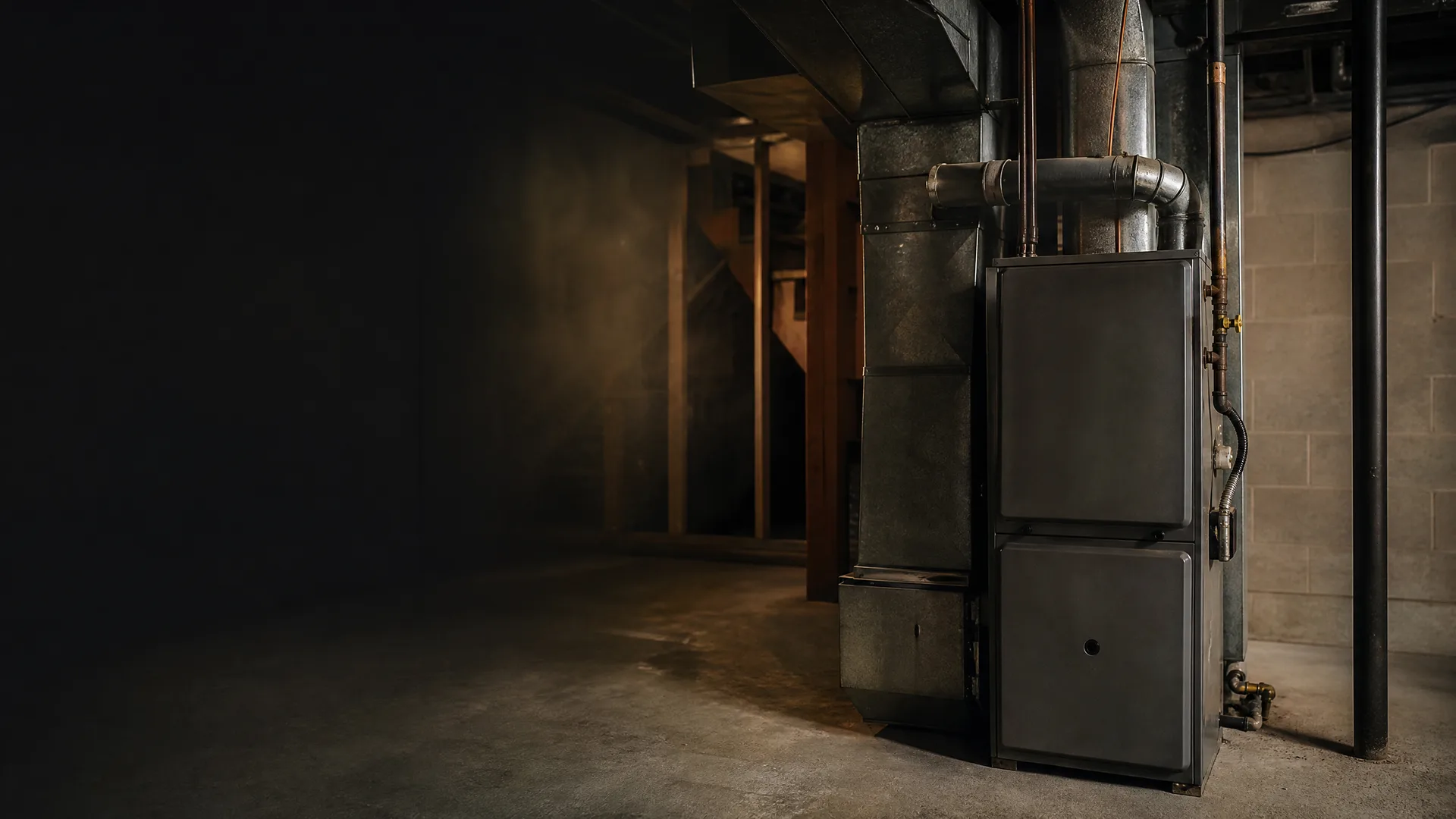
You go down to the basement on a November evening because the air coming out upstairs has gone lukewarm, then cold. The furnace is dark. No hum, no glow at the viewing port, nothing. A faint haze of dust hangs near the cabinet, stirred up when you leaned in to look. You crack the door and the elements sit cold and silent, no trip light blinking back at you. The thermostat upstairs still reads a call for heat, but nothing downstairs is answering it. You check the breaker out of habit. It's fine. The furnace itself has simply stopped partway through doing its job, and standing there in the cold basement, you're left guessing whether it tripped on purpose or quit for some other reason.

Why the switch trips before the elements do
The limit switch sits ahead of the heating elements for a reason. If airflow drops, maybe a return vent got closed off, maybe the blower is struggling, heat backs up in the plenum faster than it can move into the ducts. The switch catches that rise and shuts the elements off before anything downstream takes damage. It's doing its job even when the result feels like a broken furnace to you upstairs with no heat.
That order matters when a contractor starts checking things. A tripped limit switch is often a message about something else, so the switch itself gets tested along with the airflow around it before anyone decides what to replace. Working through that takes someone who knows where to look first. If you'd rather skip the search for who covers your part of South Dakota, the calls, the back and forth explaining what the furnace is doing, you can get matched with a contractor who takes it from here and reaches out to you directly.


Blower has to prove airflow first, before elements get power.
The limit switch sits in the plenum, not on the elements.
A tripped limit cuts the elements but leaves the blower running.
Reset only holds if whatever raised the air temperature gets found.


Matched to your furnace job
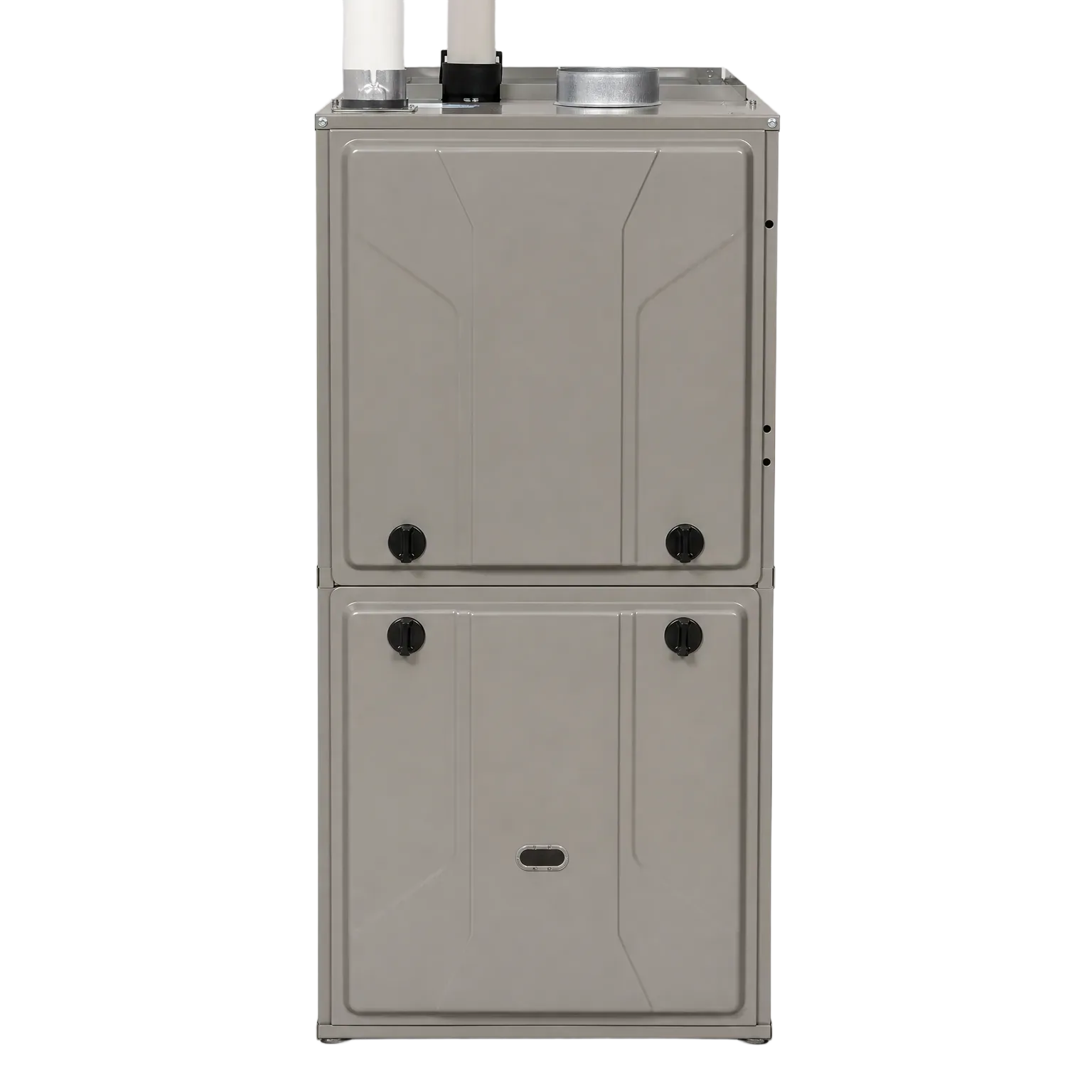
Answer a few questions instead of calling shop after shop.
There's no charge for the request.
An electric furnace has no burner and no flame, so the only thing standing between warm air and overheated air is airflow across the elements and the limit switch watching for it.
Cut the airflow, close a vent, clog a filter, and the elements keep heating with nowhere for that heat to go, which is exactly when the limit switch steps in and shuts them off.




Where You Stand Now
- Skip calling several South Dakota contractors yourself to find out who still answers the phone.
- Skip describing the same no-heat, blower-runs-but-no-warm-air story to every company you reach.
- Skip the wait of leaving messages and hoping someone calls back before the house gets colder.
- Skip sorting through quotes and guessing which contractor actually knows electric furnaces and limit switches.
- Get matched with a contractor suited to this repair, and let them be the one who reaches out to you.
You came here because the furnace went cold and you wanted to know why. By now you know the limit switch isn't the villain, it's the guard, and it trips because the air around the elements got hotter than it should, usually because something slowed the airflow that's supposed to carry that heat away. A closed vent, a clogged filter, a blower that isn't keeping up, any of those can set it off. A reset that holds means the cause got found and cleared. A reset that doesn't hold, or a furnace that trips again within the hour, means something upstream still needs a contractor's eyes on it. That part isn't a guess you make alone in the basement. What changes from here is how you get to the contractor who checks it. Instead of working the phone down a list of South Dakota companies, retelling the same story about a blower that runs with no warm air behind it, and waiting on callbacks while the house keeps losing ground, you hand that part off. You get matched with a contractor suited to this kind of repair, and they're the one who reaches out to you. The furnace itself still needs someone to open the cabinet and find out why it tripped. What's gone is the work of finding who that someone is.





A furnace pro near you
Describe your furnace job once, to one pro.
You only hire the pro if you want to.