SD Furnace Network
Side profile of a bearded man wearing a faded dark blue baseball cap and a matching dark T-shirt against a plain light gray background.

Have to switch furnace off twice to reset

Step 1 of 3: Equipment

Needing to switch the furnace off and back on twice before it resets usually points to a flame sensor that's dirty or wearing out, or a flame that's weak enough that the furnace needs a second try to prove it. The control board runs a safety check every time power comes back on, and if it doesn't see a strong, steady flame fast enough, it shuts the gas off rather than risk letting gas flow without ignition. One reset failing and the second one working is a sign the furnace is right on the edge, not reliably passing its own safety check. That edge tends to narrow over time, and a furnace that needs two tries tonight can need three next week, or stop restarting at all on a cold morning. A contractor can check the flame sensor and the ignition sequence and tell you what's actually failing.

A woman in a cream sweater with her hair in a bun laughs while seated at a stone counter holding a glass of red wine, in a dimly lit interior with a sofa, houseplants and a large window at night.
A woman with long dark hair in a cream knit sweater laughs while looking off to the side, seated in front of a dimly lit kitchen with an island, stools, open shelving and a potted plant, with a glass of red wine in the foreground.
A smiling woman with long dark wavy hair in a light knit sweater sits at a marble counter with a glass of red wine, with a dimly lit living room and kitchen in the background.
A smiling woman with long wavy brown hair in a beige sweater sits at a white marble counter with a glass of red wine, with a living room, dining table and kitchen cabinets behind her.

One cycle should be enough

A furnace that resets clean on the first try isn't working around anything. Needing a second power cycle, every time, means the flame sensor or ignition system is struggling to prove a steady flame before the board gives up and lets you try again.

Match me with a pro

The board is not guessing

Every reset runs the same safety check: ignite, sense flame, prove it's steady. A furnace that fails that check once but passes on the second attempt still has something marginal, and a contractor can find out what with the panel off.

Match me with a pro

Why your furnace needs two tries, not one

Flipping the switch off and on twice, every time, means you're working around something instead of fixing it. You've probably noticed it happens on cold mornings or after the furnace has sat off for a while, and that the first try just doesn't take. Each reset is the control board running its safety check again, and a weak or dirty flame sensor failing that check once before passing the second time. Left alone, the sensor tends to get worse, not better, and some evenings the second try won't work either, leaving you with no heat until it's looked at.

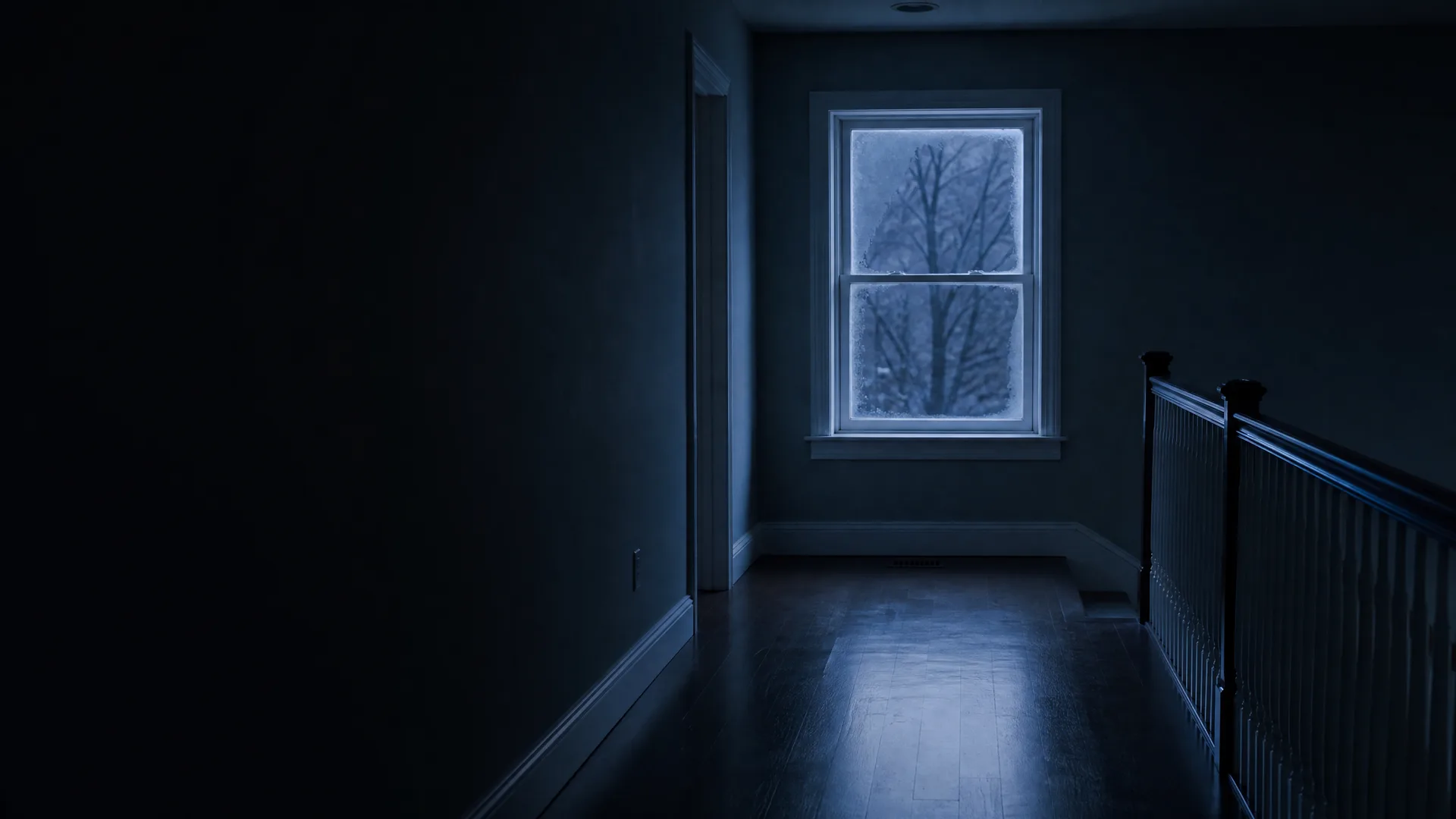
A dark interior hallway with a dark wood floor, a floor vent, a doorway on the left, and a stair railing on the right, lit only by a tall double-hung window showing bare tree branches outside.

It's 2 a.m. and you're standing in the upstairs hallway in the cold. The vents are quiet. Frost has crept up the edges of the window, and the house has that particular stillness that means the furnace isn't running. You already know what comes next. Down to the switch, off, wait, back on, and you stand there hoping this is the one time it catches on the first try. It isn't. You do it again.

This is the part that gets old, standing in a cold house at 2 a.m. doing a routine you've done before. A contractor can look at the flame sensor and the ignition system and tell you why it's taking two tries. For tonight, you just want the hallway warm again, and that second flip to work.


The right pro for this job

A furnace that needs two tries isn't going to fix itself by Tuesday, and every cold snap in South Dakota is another chance for that second try to fail. Finding someone to look at it is its own chore: searching for a contractor, calling around to see who's free, explaining the same flame sensor story to each one, then sitting with a stack of quotes trying to guess who's worth the call. That's the part worth handing off. You answer a few questions about what the furnace is doing, and a contractor who works on this gets in touch with you, already knowing what to check instead of starting from scratch over the phone. You still have a furnace that resets twice instead of once, and that doesn't change until someone's hands are on it. But the search for who that someone is, the back and forth, the comparing, that's the piece you don't have to carry into another cold night.

A woman stands in the open front doorway of a single-story house with a dark hipped roof and light siding, while a man in a navy jacket and cap is seen from behind in the foreground on the paved walkway.

The board is counting tries, not giving up

A furnace doesn't know you flipped the switch twice. Each time you do, the control board runs through the same startup sequence from scratch: open the gas valve, light the igniter, watch the flame sensor for proof that it caught. If that proof doesn't come fast enough, the board shuts the gas off and locks out rather than let gas keep flowing without a flame. The second cycle isn't a reset, it's the board getting another shot at a check it already failed once.

What a contractor looks at first is the flame sensor itself, a thin rod sitting in the burner flame, because a film of corrosion on it is often all it takes to slow down that proof signal. From there it's the igniter, the gas valve, and the wiring between them, in that order, until the one weak link shows itself. You don't need to find that part yourself. Once you're matched with a contractor, they take on the diagnosis, the explaining, and the part number, instead of you working the phone and repeating the story to every shop in South Dakota that picks up.

A mug and a small round vase sit on a wooden windowsill beside sheer and heavier curtains, with blurred autumn trees seen through the rain-speckled window and a sofa with cushions and a throw in the foreground.
A smiling middle-aged man in a dark green sweater sits at a candlelit table with wine glasses and a plate of greens in a dimly lit interior.
A woman in a dark knit turtleneck sweater reclines on a couch under a cream knit blanket, looking down at an open book, with a lit table lamp and framed pictures behind her.

Where you stand right now

  • A flame sensor or ignition system that needs two tries now rarely goes back to needing just one.
  • Every cold snap in South Dakota is another chance for that second try to fail on a morning you're not home.
  • Searching for a contractor, calling around to see who's free, and explaining the same reset problem twice gets old fast.
  • Comparing quotes on top of all that is another evening spent on the phone instead of off the furnace.
  • Getting matched with a contractor who serves your situation means you explain it once and they call you.
  • What the furnace needs to actually fix the two-try reset is still a job for whoever looks at it, not a guess you make first.

Two tries to get the furnace going isn't a routine you have to keep living with. It points to a flame sensor or an ignition system that's already struggling, and that kind of problem tends to get worse, not better, especially with more cold mornings ahead of it in South Dakota. What it needs next is somebody who can actually look at the sensor, the flame, and the board's startup sequence and find out which one is failing, not another night of flipping the switch and hoping the second try holds. Getting there is its own project if you're doing it alone. You'd be searching for a contractor who works on furnaces, calling a few to see who can come out soon, telling each one the same story about the switch and the two tries, then sitting with quotes trying to figure out who's worth calling back. None of that gets the igniter cleaned or the sensor replaced. It just delays the part where someone actually does. Matching you with a contractor skips that whole stretch. You explain the problem once, to the person who's going to be the one working on it, and they reach out to you instead of the other way around. What they find once they're in front of your furnace, and what it takes to fix it, is still theirs to tell you. But you won't spend another evening sorting through who to call while the furnace keeps asking for a second try.

A covered porch with a wood front door with six upper glass panes, a lantern wall sconce, tapered column on a stone base, potted ferns and flowers, a woven doormat, and wide steps leading to a paver walkway bordered by shrubs and white hydrangeas.
A beige upholstered sofa with a cream cushion and chunky knit throw sits beside a white-framed window, with a leafy potted plant in a stone vase against a tan wall.
Sunlit corner of a room with a linen curtain beside a window, built-in shelves holding ceramic vases, wooden bowls, a potted green plant, stacked books and a woven basket, above a textured rug.
A dark wood three-drawer dresser against a pale wall holds a tall ceramic vase with leafy branches, stacked books and a shallow bowl, with a framed print above, a woven basket on the wood floor at left, and an upholstered sofa with a green pillow in the foreground.
A cream upholstered sofa with a textured ivory cushion and a rust-colored cushion sits beside a window with sheer linen curtains, with a potted leafy plant behind it and a wooden bowl on a wood table in the foreground.

Matched to your furnace job

Describe what your furnace is doing once, in one form.

Answer a few questions

It costs nothing to send, and you don't have to hire anyone.