 Find my pro
How to prepare for duct cleaning?
A local pro who services furnaces gets in touch about the tune-up.
Duct cleaning day goes faster when the house is ready for it. A contractor working through your supply and return vents needs to reach every register, and that means a little work on your end before the first tool comes out of the truck.
Start with access. Walk the house and look at each vent cover, the ones in the floor, the wall and the ceiling. Move furniture, toy bins, rugs, anything sitting on top of a register or blocking a return. If a vent lives behind the couch or under a bed, that furniture needs to shift for the day.
Clear a path to the furnace itself, wherever it sits in your South Dakota home, whether that is a closet, a basement corner or a utility room. The equipment needs space around it to work, and so does anyone walking parts in and out.
Pets do better in a closed-off room or elsewhere for the day. Duct cleaning involves noise, open panels and equipment moving through the house, and most animals would rather not be underfoot for it.
If you know where your air filter is, check it beforehand. A filter that is clogged or falling apart is worth noting, since it tells its own story about what has been moving through your ducts.
Set aside small valuables or anything fragile near vent openings. Grates get removed and ducts get opened up, and a clear workspace keeps things simple for everyone.
Think about what has gone into those ducts over the years, construction dust, pet hair, whatever your household generates, and getting it prepared for the technician who comes to deal with it is worth the half hour it takes.
You don't have to track down a duct cleaning contractor on your own, call around the state, or describe your house and your vents to five different voicemail boxes. Answer a few questions about your home and what you're looking for, and a contractor who serves your area will reach out directly, ready to ask you about your ducts instead of the other way around.
Getting ready for duct cleaning is mostly about clearing a path. The contractor has to reach every supply and return vent in the house, plus the main trunk lines near your furnace, and anything blocking those spots slows the whole job down. That means moving furniture off registers, clearing the floor in front of closets or utility rooms where ductwork is exposed, and making sure the furnace itself is reachable. If you have pets, you'll want a plan for keeping them in a closed-off room while vents are open and equipment is running. None of this is complicated, but it's easier to do the night before than when a truck is already in the driveway. A house that's ready lets the crew spend their time on the ducts instead of working around boxes, rugs, and furniture.




A duct cleaning crew works vent by vent, and each one lives behind a register cover on a wall, ceiling or floor. They also need room around your furnace, since the main trunk line runs right there and that cabinet has to stay open through the job. The vacuum pulls air backward through the system, so leaving a few registers closed or blocked just means those rooms get skipped. A couch or dresser parked over a vent does the same thing a shut register does, so it's worth checking which pieces of furniture are sitting on top of one before the crew arrives. The noise and the hose moving room to room tend to spook pets, so a closed door somewhere quiet keeps them out of the way. And since the filter catches whatever the cleaning stirs loose, it comes out for the job rather than working against it.
What the crew actually needs
- Supply and return vents sit behind the register covers screwed or clipped to your wall, ceiling or floor.
- The main trunk line runs near your furnace, and the cleaning crew needs clear space around that cabinet too.
- Negative air pressure pulls debris toward the truck-mounted vacuum, so every register gets opened, not just a few.
- Furniture pushed against a register blocks airflow the same way a closed vent does, slowing the whole house down.
- Pets react to the noise and the hose running room to room, so a closed-off space away from the work helps.
- The furnace filter comes out during the job since a dirty one just catches what the cleaning is meant to remove.


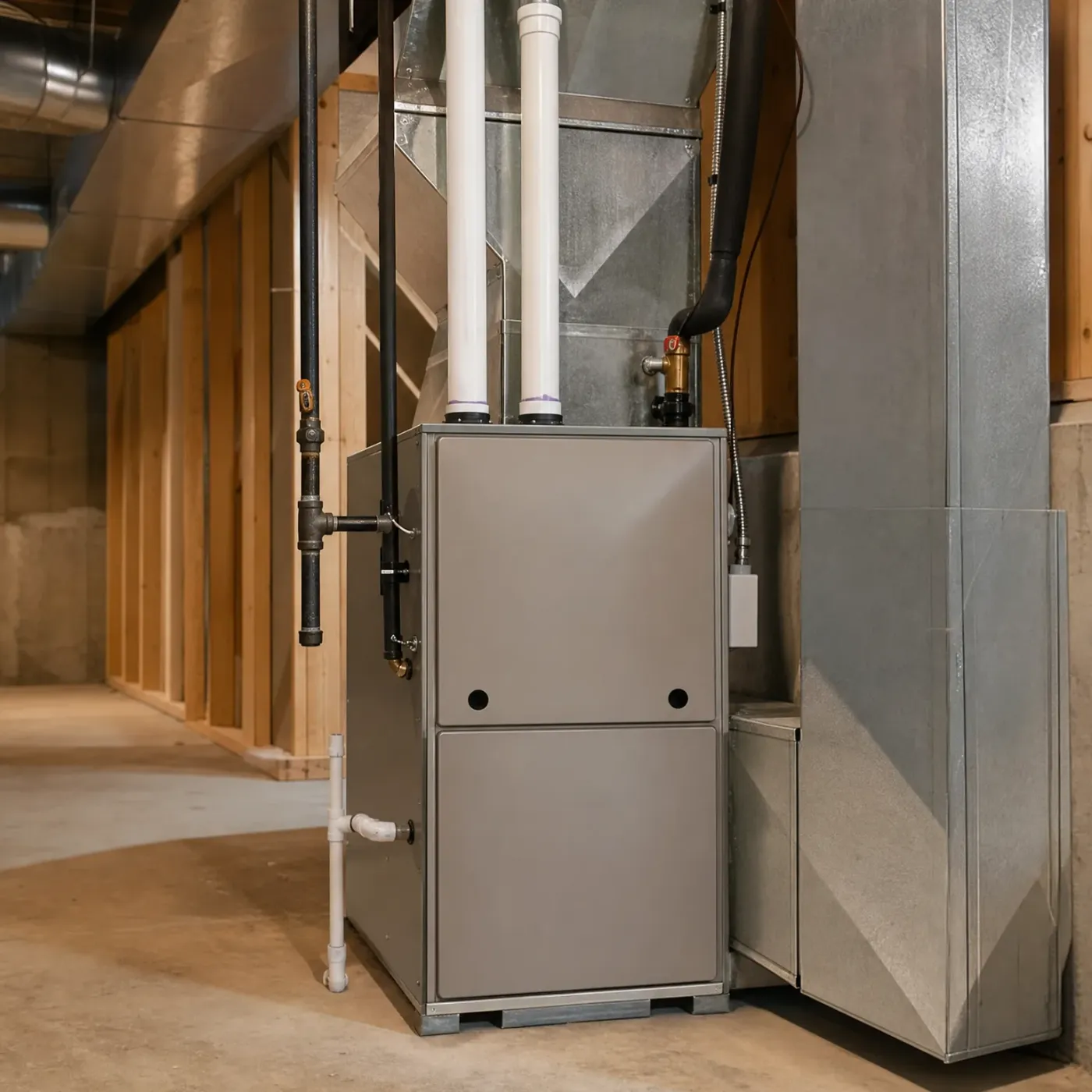
A furnace pro near you
Skip calling around to set up a furnace tune-up.
Say what's going on with your furnace, and a pro who works on them reaches out.
No charge to send it. You decide if you hire them.
Wondering what duct cleaning day means for your house?
You'll likely notice furniture or rugs sitting near vents that need to move before anyone can work. Closets or cabinets hiding a register often get opened for the first time in a while. Around the furnace itself, boxes or storage tend to creep into the space a crew needs to stand and work. None of this is hard, but a house that isn't ready turns a straightforward visit into one where the crew spends time moving your things instead of cleaning your ducts. Walking each room and picturing a technician at every vent is the simplest way to see what's in the way.
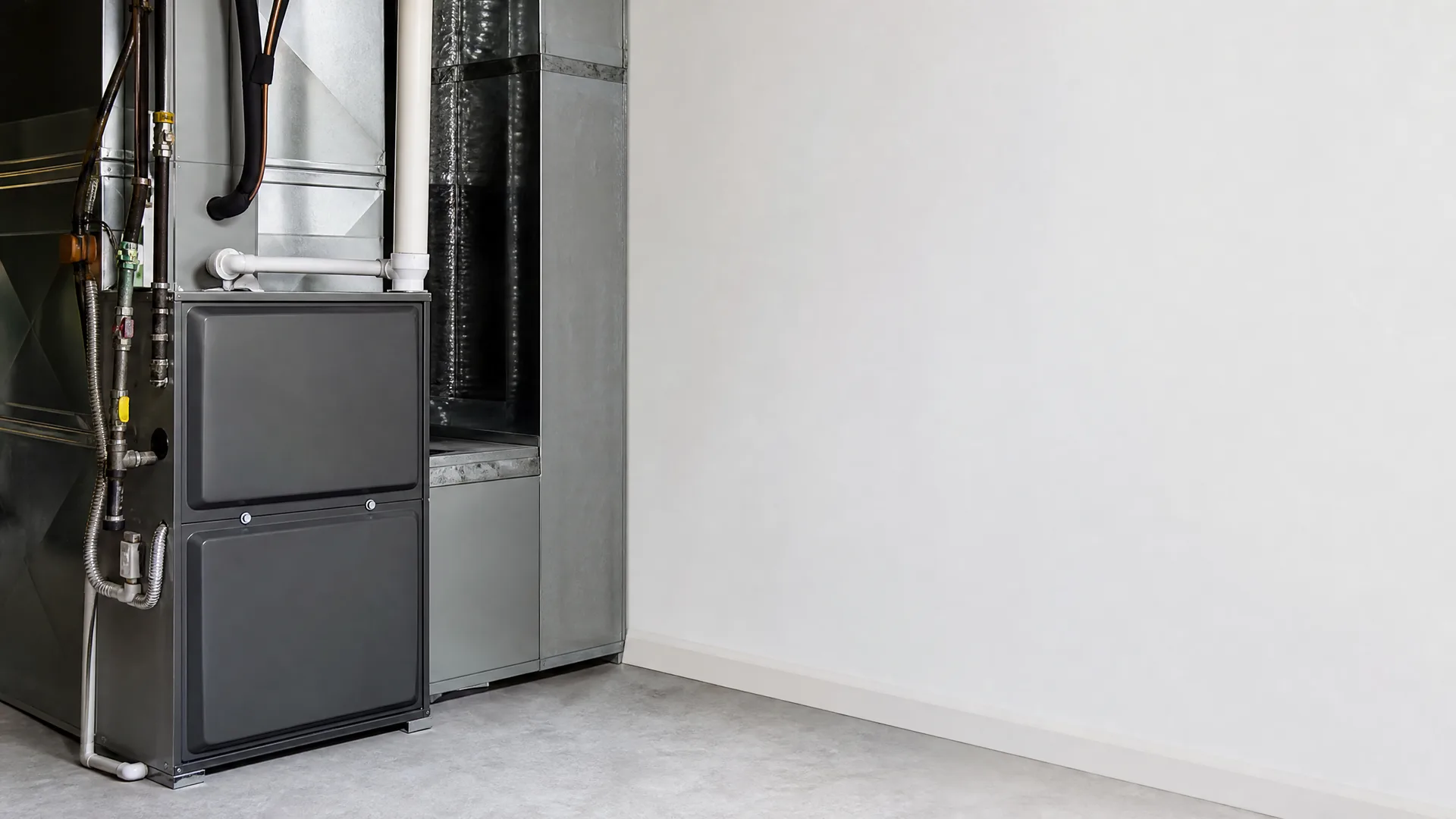
How Negative Air Pressure Works
A duct cleaning crew runs a vacuum collection system that pulls the whole house into negative pressure while they work. Every supply and return vent gets opened one at a time so the system can draw dust and debris down the line instead of pushing it back into your rooms. That only works if the registers the crew already opened stay open and the room around each one stays clear enough to get a cover off and back on without a fight.
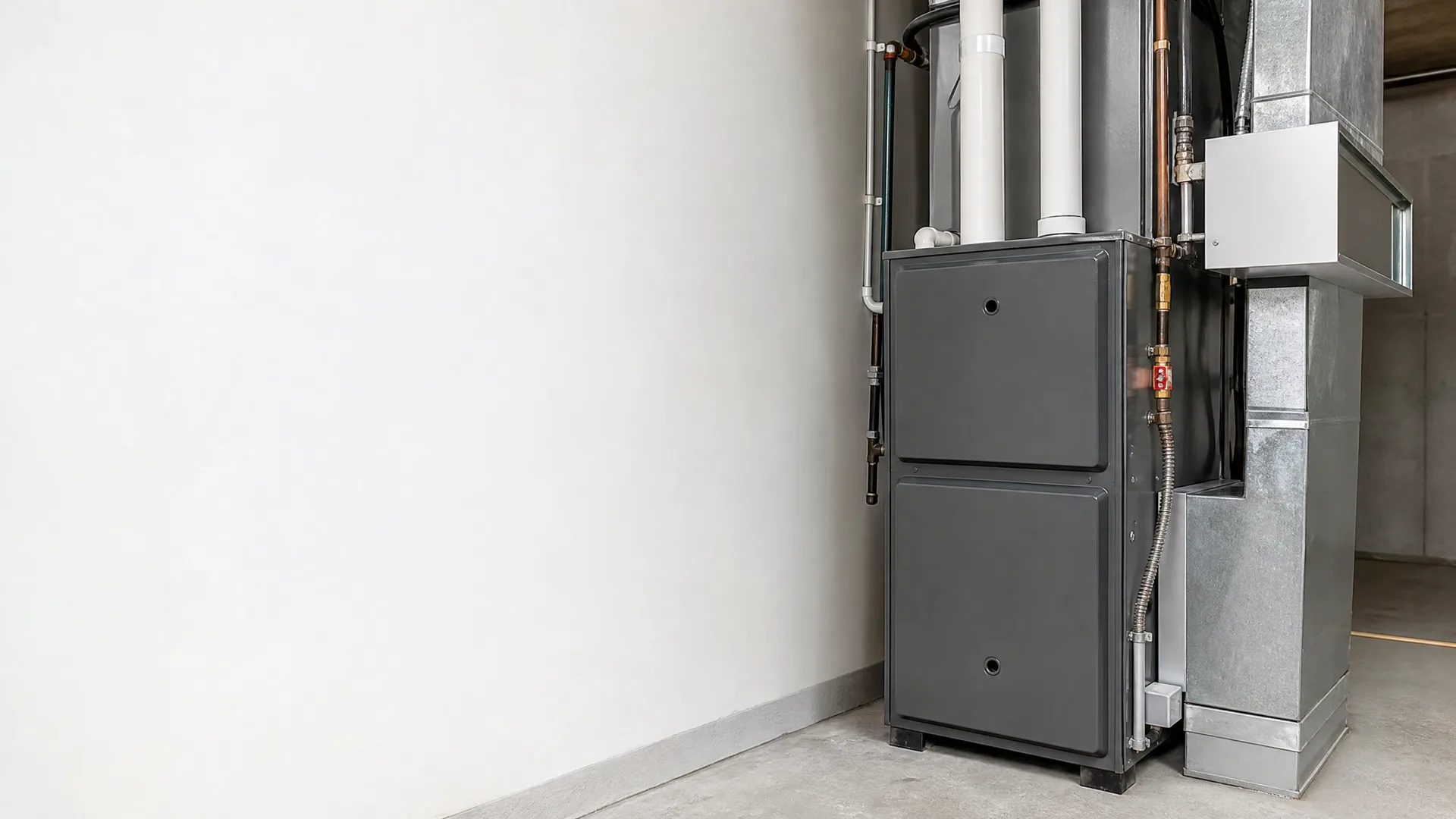
Where Dust Actually Collects
Dust in a duct system settles heaviest in the main trunk lines near your furnace, where the air moves slower than it does out at the register. That cabinet area usually sits in a basement, closet or utility room, and it tends to collect storage boxes over time the same way a garage does. Clearing a few feet around the furnace before the crew arrives gives them room to open panels and work the trunk line without climbing over what you've stored there.
Why does the crew need the furnace cabinet open too?
A duct cleaning job isn't just the runs behind your walls. The blower, the coils, and the plenum sitting right above or beside your furnace are part of the same air path, and dust collects there the same way it does in a duct. A contractor working through the system needs the cabinet panel off to reach that section, brush it out, and hook up the vacuum collection line close to the source. If boxes or a shelf have been set against the furnace over the years, that space needs to be clear before work starts there.
The cabinet holds part of the duct system
The plenum and blower compartment inside your furnace cabinet connect directly to the trunk lines running to every room, so dust sitting in there moves through the whole house anyway. A contractor cleaning the ducts treats that cabinet as part of the job, not separate from it, which means the panel comes off and stays off for a while. Keeping the area around the furnace clear ahead of time, the same way you'd clear a path to a vent, means that part of the job isn't held up by a box or a storage bin that has to be moved first.

Each vent gets opened in turn so suction pulls debris toward one point.
The furnace cabinet opens too, since the blower and plenum share the same air path.
A whole-house vacuum hooks to the trunk line, not each separate register.
Closed interior doors keep negative pressure steady while vents stand open.

A ready house makes for a clean sweep
You've seen what duct cleaning day actually asks of a South Dakota house. Clear the vents, open the furnace cabinet, move what's in the way, and leave the doors propped so air can travel where the crew needs it to go. None of that is hard, it just takes knowing ahead of time.
The part you don't have to do is find someone to show up and do it right. That's the search, the phone calls, the explaining your situation more than once, the sorting through quotes that may or may not mean what they say. Once you're matched with a contractor who knows this kind of work, they'll reach out to you, and that whole search ends.


Furnace Maintenance
A local pro for your furnace maintenance

- Describe your furnace job, and a local pro who handles it gets in touch.

- One request and finding someone for the tune-up is handled.
- Send the form, and lining up the furnace tune-up stops being yours to chase.

- Fill out one form instead of calling around for a furnace tune-up.
- Answer a few questions instead of calling shop after shop.

- A licensed local pro takes the request for your furnace tune-up.
- Your request stays with one local pro.