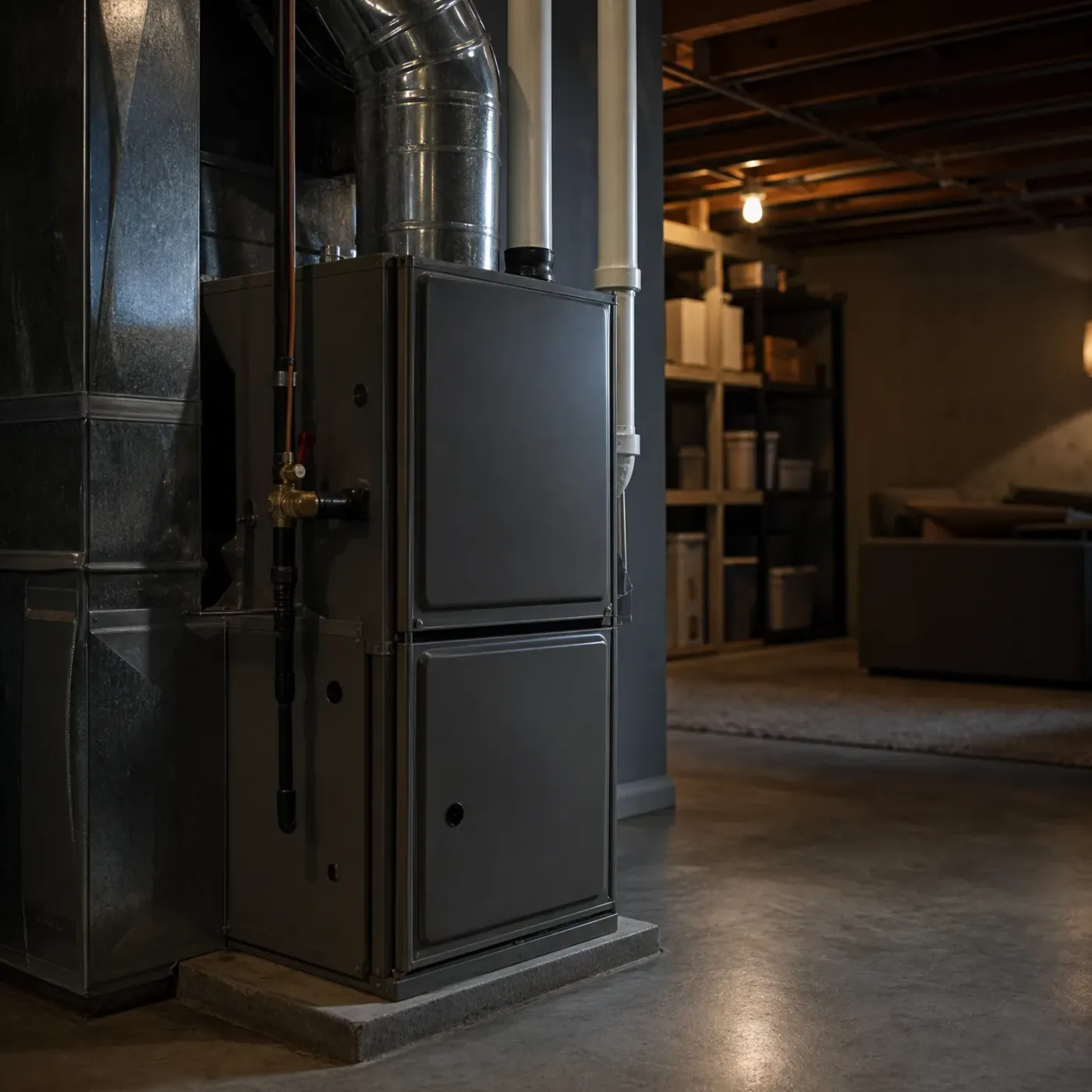
A furnace pro near you
What happens during a furnace inspection?
Before South Dakota winters set in, a furnace inspection runs through the parts that fail most: the igniter, the flame sensor, the flue connection, the blower. A contractor checks the heat exchanger for cracks, tests the safety controls, and looks at what the filter has been doing all year. This page walks through what gets checked and why it's worth doing before the cold settles in.
Get matchedA furnace inspection is a contractor going through your system piece by piece before South Dakota asks it to run for months straight. They check the igniter and flame sensor, since those cause most no-heat calls. They look at the flue connection to confirm exhaust is leaving the house instead of backing up. They open the blower compartment and check the heat exchanger for cracks, because a cracked exchanger can let combustion gases mix with the air moving through your ducts. They test the safety controls that are supposed to shut the furnace down if something goes wrong. They check your thermostat response and look at the filter, since a clogged one makes the whole system work harder. None of this takes the furnace apart. It tells you, before the cold settles in, whether yours is ready for it or not.





Power off, panels off, before anything gets tested
Flame sensor cleaned, since residue causes short-cycling
Heat exchanger checked for cracks that leak exhaust
Flue connection confirmed tight before the blower runs
What should an inspection catch before winter?
Most of what an inspection catches, you'd never notice from the couch, a flame sensor coated with residue, a flue connection working loose, a crack starting in the heat exchanger. You'd just notice the furnace cycling on and off more than it should, or a smell when it kicks on. Left alone through a South Dakota winter, a small issue like that turns into a no-heat call on the coldest night of the year. Catching it now means your furnace runs the way it's supposed to when you actually need it.
Why the heat exchanger matters
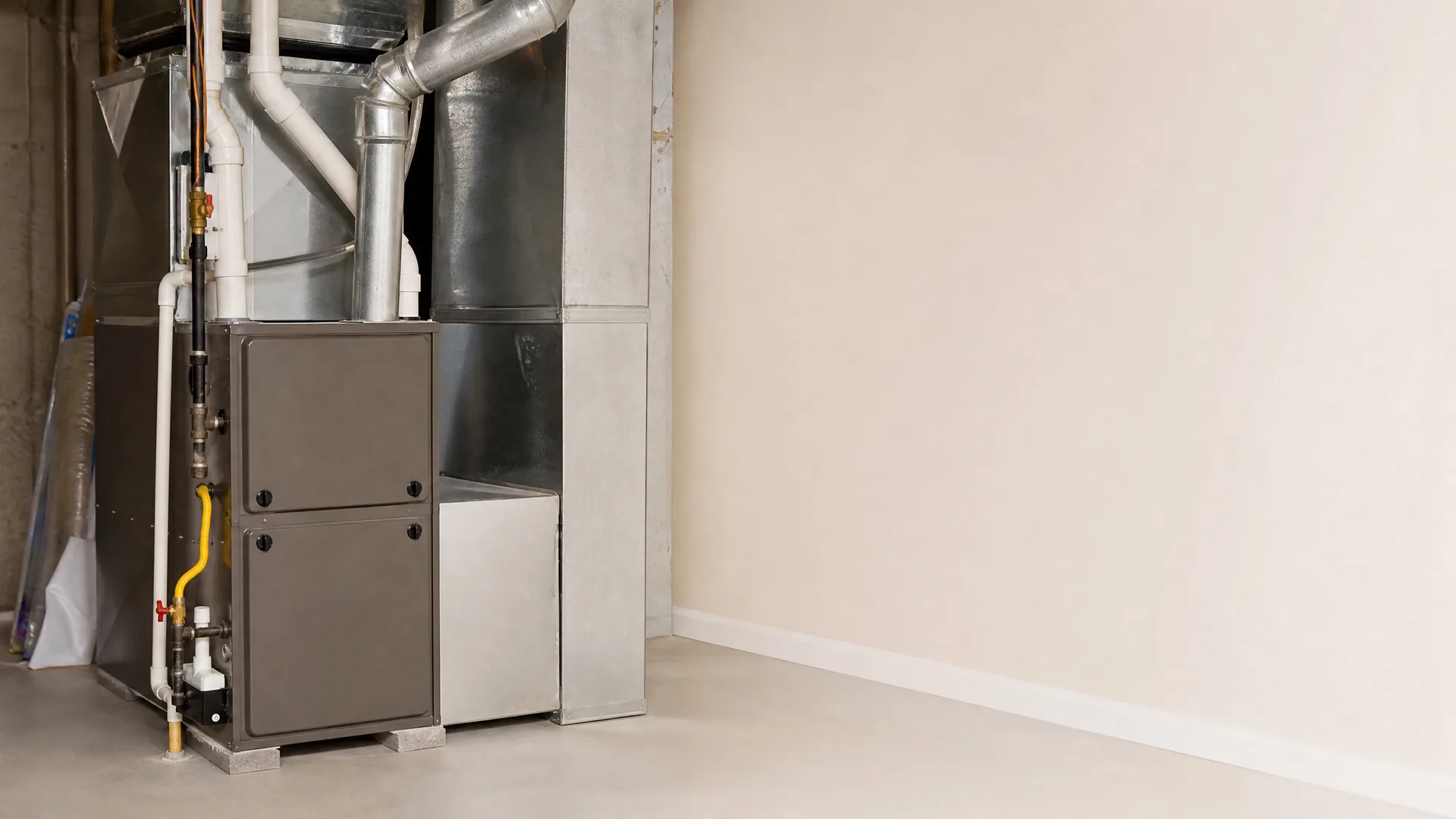
The heat exchanger is the part that separates the flame from the air moving through your house. A contractor checks it for cracks because a cracked one can let exhaust mix into that air instead of going out the flue. It's metal that heats and cools every time the furnace cycles, and that stress is what eventually splits it. An inspection catches a crack starting, not after it's already a problem you can smell.
The blower only moves what it's given
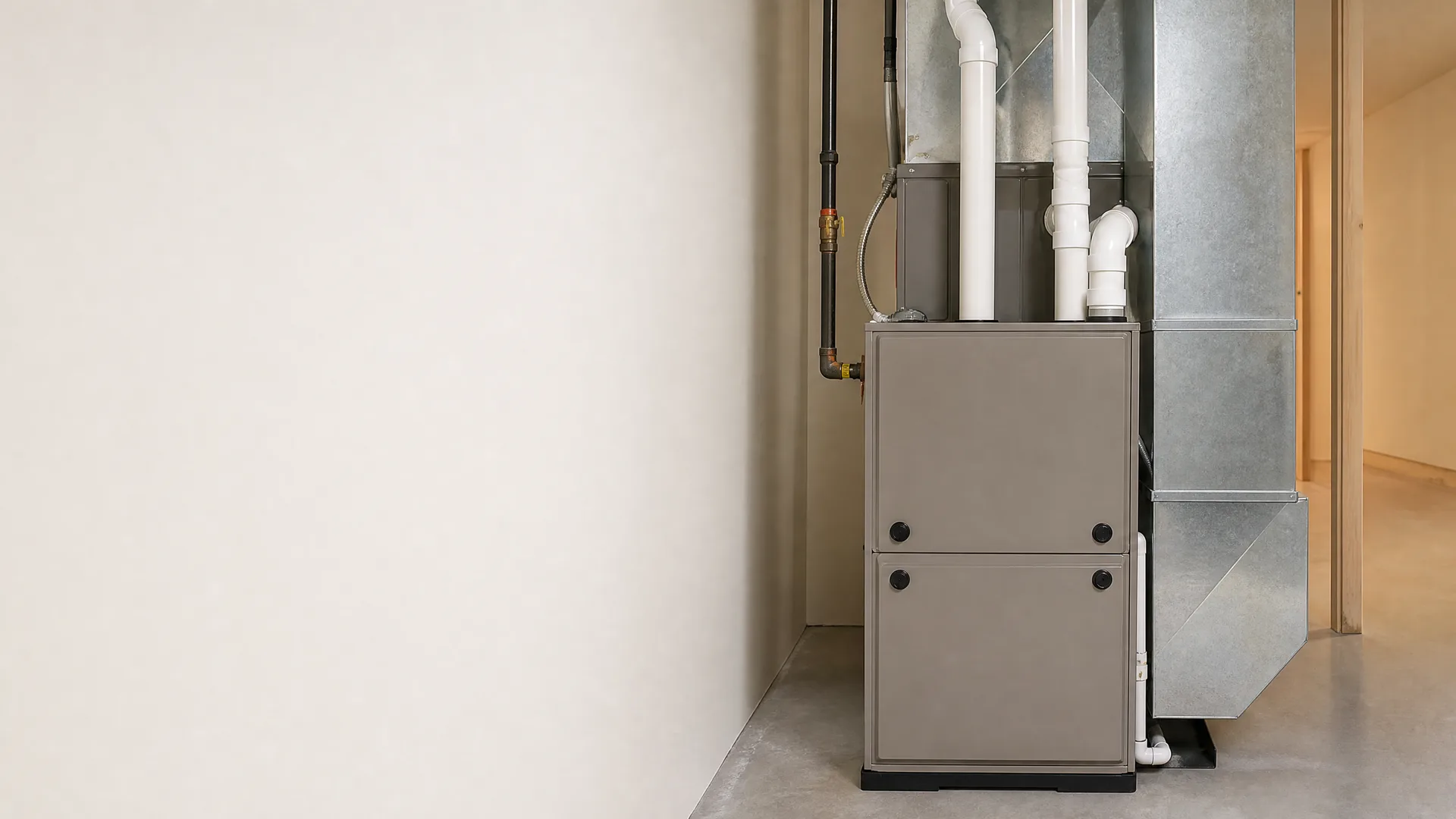
Your blower pushes air through the ducts already in your house, it doesn't clean or condition anything itself. That's the filter's job, and the duct's job is just to carry what the blower sends. A contractor checks the blower during an inspection because a furnace that won't push air is a furnace that won't heat a room, no matter how well the burner's running. Everything upstream depends on that one part doing its job.
What order does a contractor check things in?
There's a reason an inspection doesn't start with the furnace running. A contractor kills the power first, so nothing can kick on while hands are inside the cabinet. From there the order follows the path the system actually works through: ignition, then the flame itself, then where the exhaust goes, then the air moving through the house. Each step depends on the one before it checking out clean, so skipping around would mean missing how one worn part is affecting the next.
Power, then ignition, then flame, then exhaust, then airflow
A contractor shuts off power before opening any panels. Next comes the igniter and flame sensor, since a weak signal there shows up as a furnace that won't stay lit. Then the flame itself gets watched for color and shape, which points to how it's burning. The heat exchanger and flue connection come next, checked for cracks and a tight seal before anything moves air. Only after that does the blower run, pulling air through the system so the contractor can see how it's actually performing in your house.
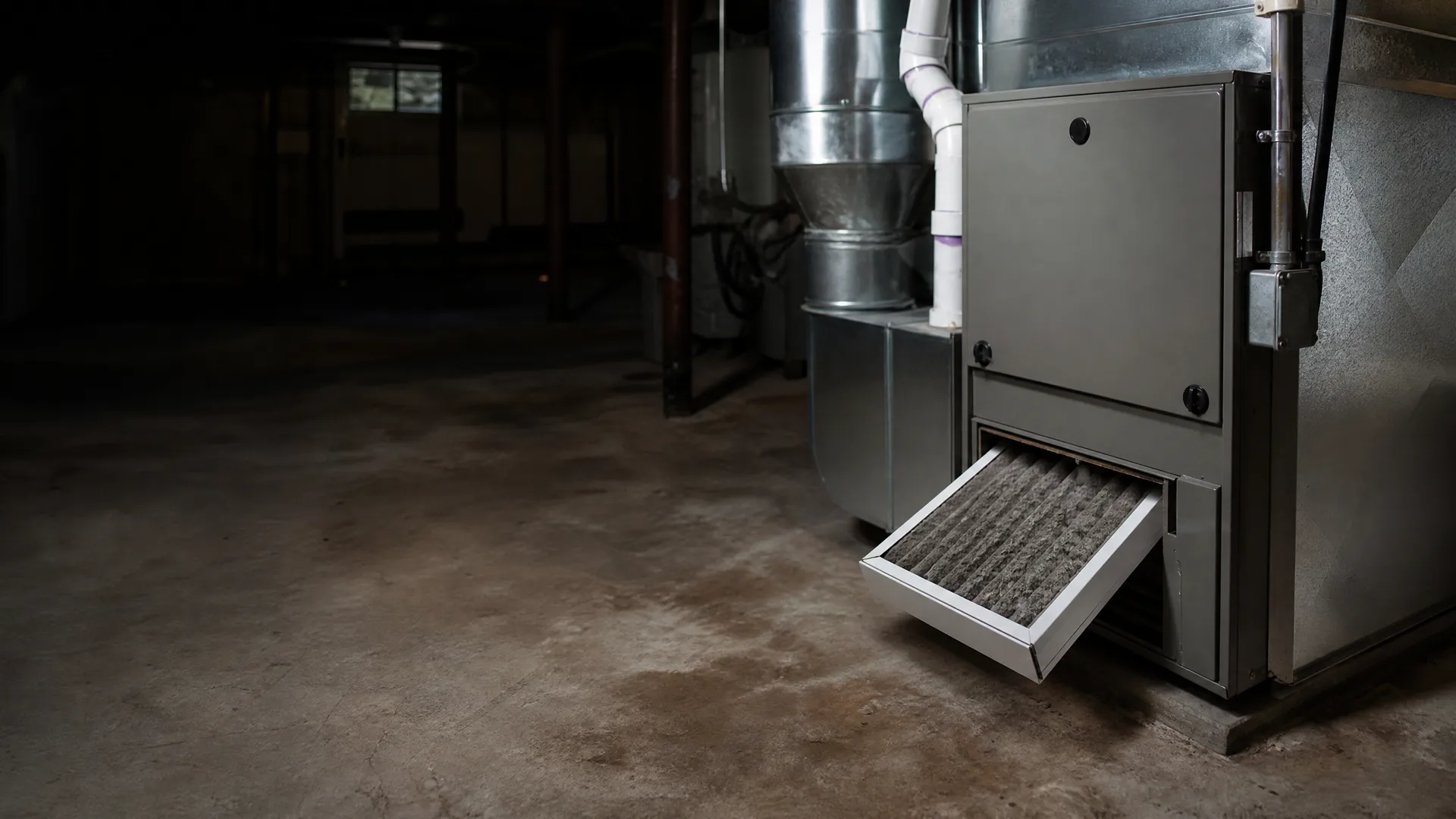
You go down to the basement to switch the furnace over for the season and pull the filter to check it. It is grey, matted with a winter and summer of dust, the kind that makes you wonder how long air was pushing through it like that. You slide it back in, not sure if that is the only thing wrong, or if the flame sensor or the heat exchanger behind that panel have their own problems building. That not knowing is the part that sends people searching. Instead of calling one place, waiting on hold, then starting the same explanation over with the next one, you answer a few questions once. A contractor who works on furnaces in South Dakota gets in touch with you directly, and the comparing and sorting is done before you climb back up the basement stairs.
A local pro for your furnace maintenance
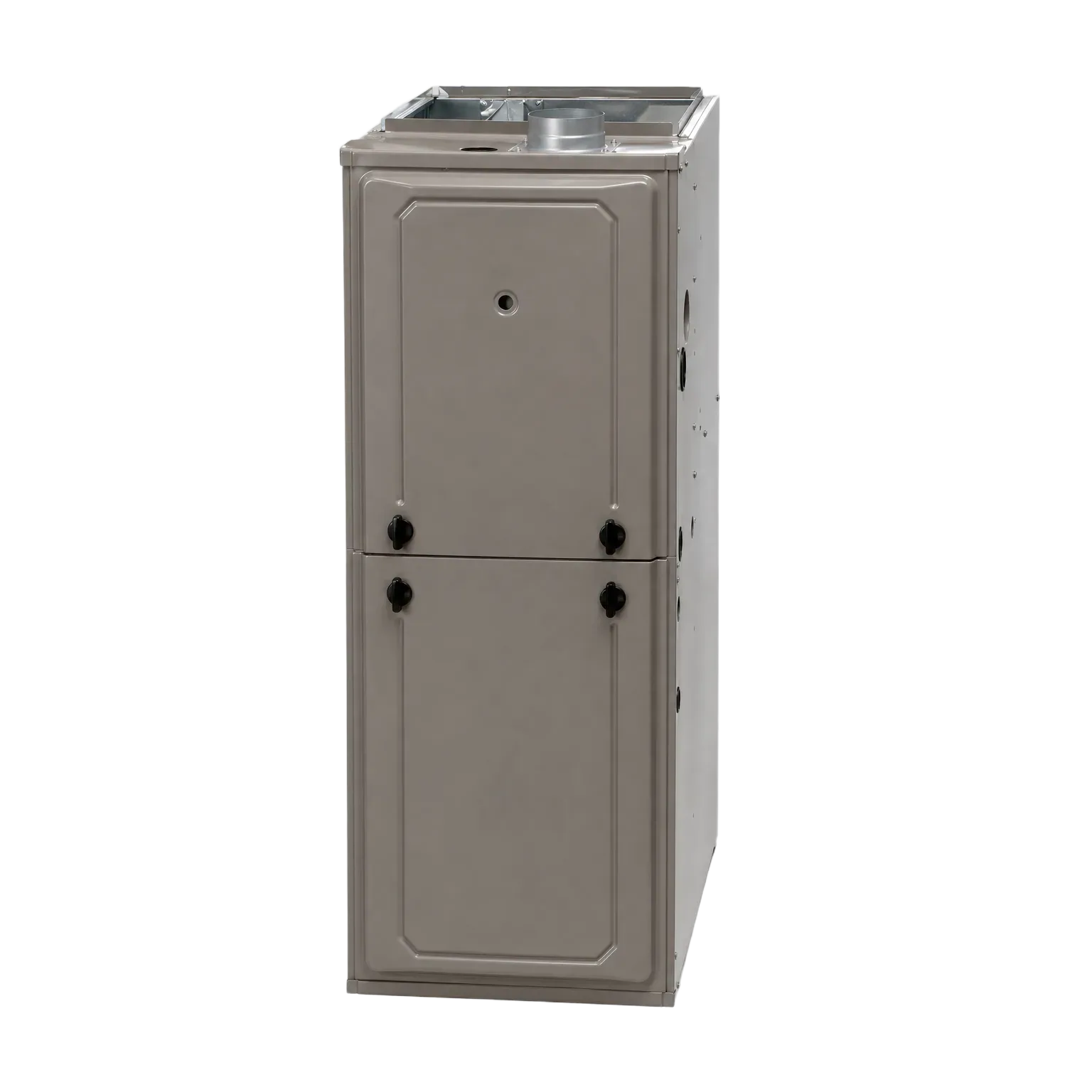
Skip calling around to set up a furnace tune-up.
It costs nothing to send, and you don't have to hire anyone.
What A Contractor Actually Checks
- Ignition system tested for a clean light every time, not just a start that happens to catch
- Flame sensor pulled and cleaned, since a film of residue reads as no flame to the control board
- Blower wheel checked for dust buildup that throws off airflow even when the motor sounds fine
- Heat exchanger inspected with a light or mirror, since a crack can hide on the side you can't see
- Vent and flue path confirmed clear and connected, so exhaust has nowhere to go but outside
- Gas pressure and burner flame checked, since a flame that's yellow instead of blue is burning wrong
Anyone can glance at a furnace and say it looks fine. Knowing what to check, and why, is a different skill. A contractor tests the ignition system more than once, because a furnace that lights on the first try today can hesitate next week once the igniter starts to wear. The flame sensor gets pulled and cleaned rather than just looked at, since a thin film of residue is enough to make the control board think there's no flame at all, and it shuts the gas off as if nothing lit. The blower wheel gets checked by hand, because dust can build up on the blades in a way that throws off airflow long before the motor itself sounds any different. The heat exchanger is the one part that doesn't give itself away easily. A crack can sit on the far side, out of view, which is why a contractor uses a light or mirror instead of a quick glance. The vent and flue get confirmed clear and tightly connected, so exhaust has one path to follow, outside, instead of finding its way back into the house. And the burner flame gets read like a diagnostic tool in itself. A steady blue flame means it's burning the way it should. Yellow means something's off with the air or gas mixture feeding it. None of this is guesswork. It's a sequence built around the handful of parts that cause most no-heat calls in South Dakota once the cold settles in.



You know what the inspection covers now
You've seen what a contractor checks and why: the igniter, the flame sensor, the heat exchanger, the flue connection, the blower. None of that is work you can do from the couch, and none of it waits well once a South Dakota winter settles in. What's left is deciding who goes through your furnace before that happens.
That's the part this page can shorten. Instead of searching for contractors near you, calling around, and explaining the same furnace symptoms to each one, you answer a few questions once and get matched with a contractor who serves your situation. They reach out to you from there. The inspection is still the contractor's work to do. Finding someone to do it is the part you're done with.


Furnace Maintenance
Get the right pro for your furnace

- Say what's going on with your furnace, and a pro who works on them reaches out.
- A local pro who knows furnaces gets your details and gets in touch.

- Send the form and the furnace tune-up stops being something to remember.
- One request and finding someone for the tune-up is handled.

- Fill out one form instead of calling around for a furnace tune-up.
- One form replaces the calls you'd make to find a furnace pro.

- A licensed local pro takes the request for your furnace tune-up.
- Only one pro gets your request, so you hear from one company.