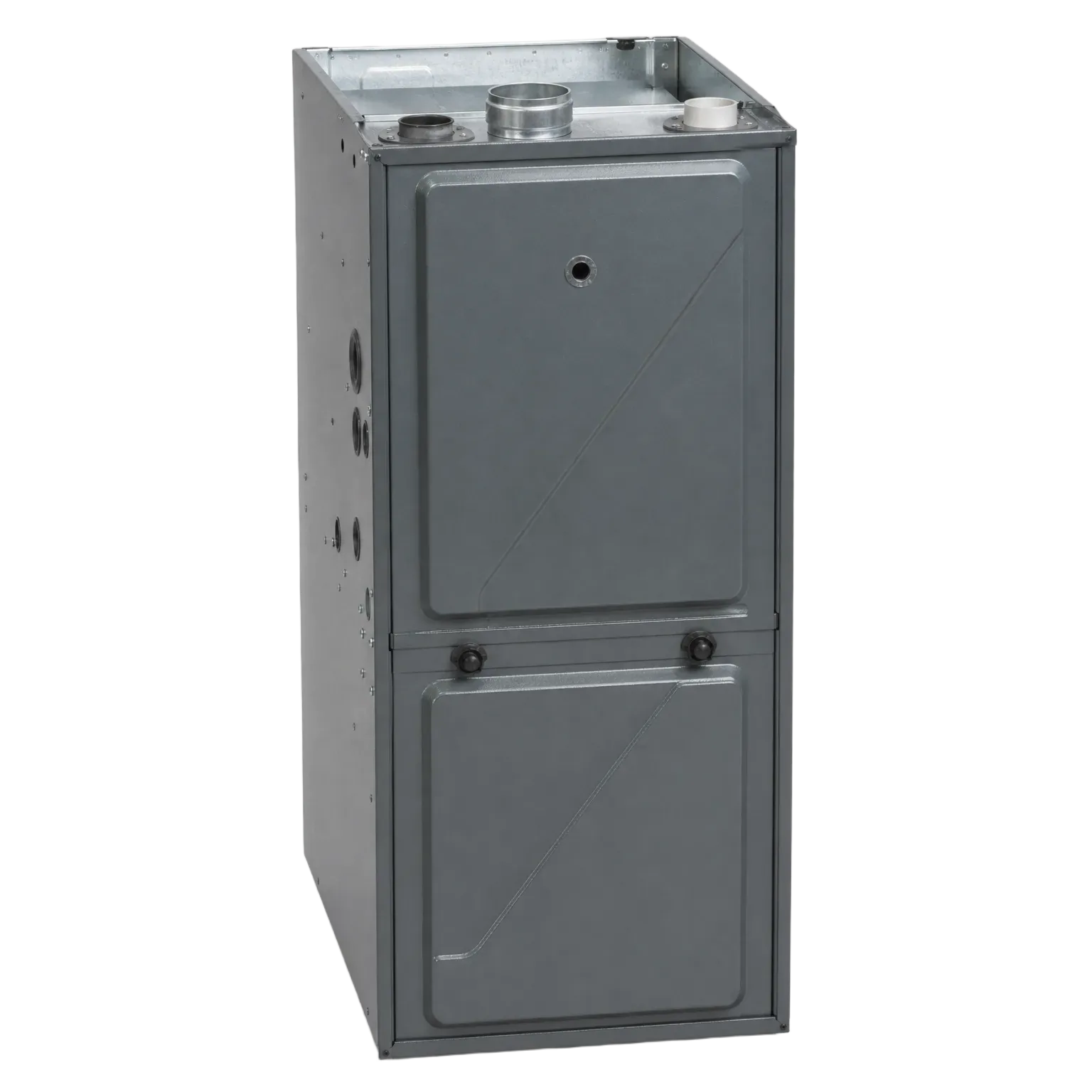
80% vs. 95% AFUE
On a standard furnace, 20 cents of every dollar burned goes out the flue. A high-efficiency model keeps 95 cents on the dollar working as heat in your house.

A high-efficiency furnace is worth it in South Dakota if you're heating a home here for years to come, but the payback is slower than you'd think. Power here is cheap, and most homes already heat with gas, so the gap between a standard 80% furnace and a 95% or higher model comes down almost entirely to how much gas you burn to stay warm through winter. South Dakota winters are long and cold enough that a high-efficiency furnace will run a lot, which is exactly when the extra efficiency pays back fastest. A standard furnace sends more of your fuel straight out the flue. A high-efficiency one captures more of that heat before it leaves the house. If you plan to stay put for a while, that difference adds up winter after winter. If you're replacing a furnace that's near the end of its life anyway, it's worth asking what each option actually costs to run here before you decide.




On a standard furnace, 20 cents of every dollar burned goes out the flue. A high-efficiency model keeps 95 cents on the dollar working as heat in your house.
A 95% furnace vents through PVC pipe out a sidewall instead of a metal flue. That changes where it can sit and what a contractor has to run to install one.
If your furnace is a standard 80% model, you've probably noticed the metal flue pipe running up through the roof, and in January you can see steam coming off it. That's heat you paid for leaving the house. You might also notice the furnace runs long stretches on the coldest nights, or the room farthest from it never quite catches up. None of that means it's failing. An 80% furnace that's been maintained can run for years without trouble. But if yours is old enough that you're also thinking about the gas bill every February, that's worth factoring in alongside the furnace itself. A furnace that's struggling to keep up on the coldest nights is worth having looked at regardless of what you decide about efficiency.

An 80% furnace still does the job. South Dakota winters are hard, and a furnace that age still throws real heat through the ducts. If your flue pipe and venting are sound and the heat exchanger checks out, there's no mechanical reason to replace it early. You keep the lower upfront cost, and since power here is cheap, you're not fighting a steep electric bill on top of gas. The tradeoff shows up every month on the gas bill instead, a little at a time, all winter long.

A 95% furnace changes where the heat goes. Almost all of what you burn ends up warming the house instead of venting out the roof. That matters most if you're in this house for years to come, since the furnace has time to earn back what it costs over a standard model. It also changes the install itself. PVC pipe runs out a sidewall instead of a metal flue through the roof, which means a contractor who knows how to route that pipe and where it can and can't go on your house.

This is what a 95% furnace looks like installed. PVC pipe handles intake and exhaust, run through the rim joist instead of the roof. The sheet-metal air handler next to it moves the heat through your ducts once the furnace has wrung nearly all of it out of the gas.

An older furnace leans on galvanized ductwork and a round metal flue to get exhaust out of the house. It still heats the place through a South Dakota winter. But check the flue pipe and the gas line fittings near it each fall, since that's where age shows up first.



PVC pipe for intake and exhaust, copper and black gas line run tight along the block wall. Nothing here is straining. A furnace installed this way is set up to hit its rated efficiency for as long as it runs.

Two access panels, quarter-turn fasteners, gas pipe and flex conduit crowding the same wall. None of that tells you the age of the heat exchanger inside. That's worth knowing before you decide what to do next.


Only one pro gets your request, so you hear from one company.
There's no charge for the request.
Burner fires and heats the primary heat exchanger first.
A hot surface igniter lights the gas, no standing pilot.
Flue gas passes through a second heat exchanger for more heat.
An inducer motor pulls the cooled exhaust out through PVC pipe.

If you swap to a 95% furnace, the gas bill drops some every month you run it, not just in the coldest stretch. South Dakota winters run long, so that difference shows up on a lot of bills before spring. The furnace itself will also sit somewhere different. The old metal flue through the roof goes away, and PVC pipe runs out through the rim joist instead, so the mechanical room changes a little even if the ductwork stays the same.
What you're really deciding is whether to pay more going in for a furnace that costs less to run for as long as you own the house. That's a judgment call about your house and your plans, not a one-size answer, and it depends on things like your flue, your venting, and how your current furnace is actually running. A contractor who installs these locally every winter can look at what you have and tell you straight whether the swap makes sense for your house, without sending three other companies to your door to tell you the same thing.

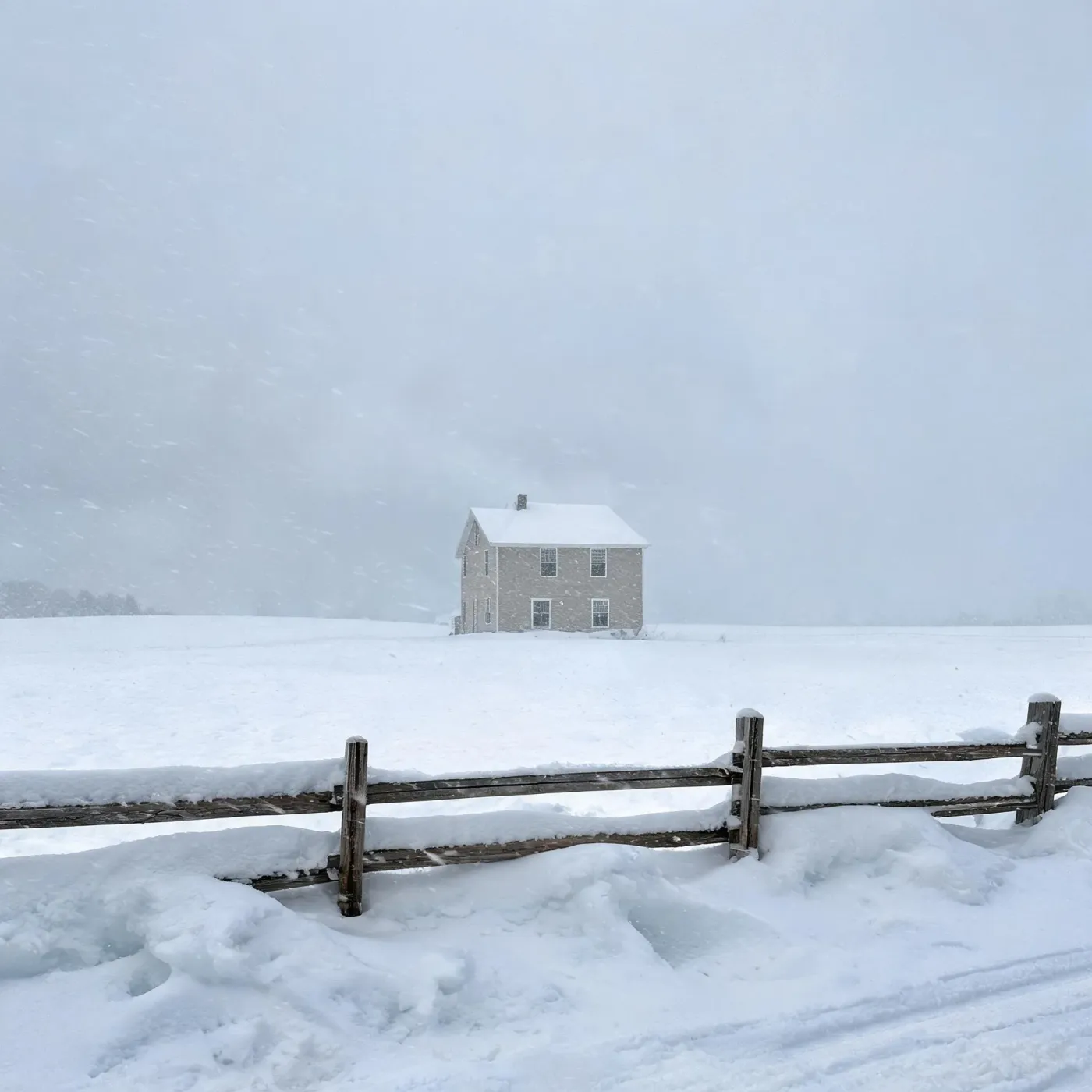
Statewide, winter nights average 11°F, according to NOAA. At that temperature your furnace is running long cycles most of the night to keep the house at setpoint, not short bursts. That's the stretch where the difference between an 80% and a 95% furnace shows up most, because the furnace is working harder and longer to hold the house. You'll notice it in how often the blower kicks on after midnight, and in how warm the air coming out of the vents feels compared to a mild December evening.
NOAA nClimDiv 1991-2020 county normals weighted by homes


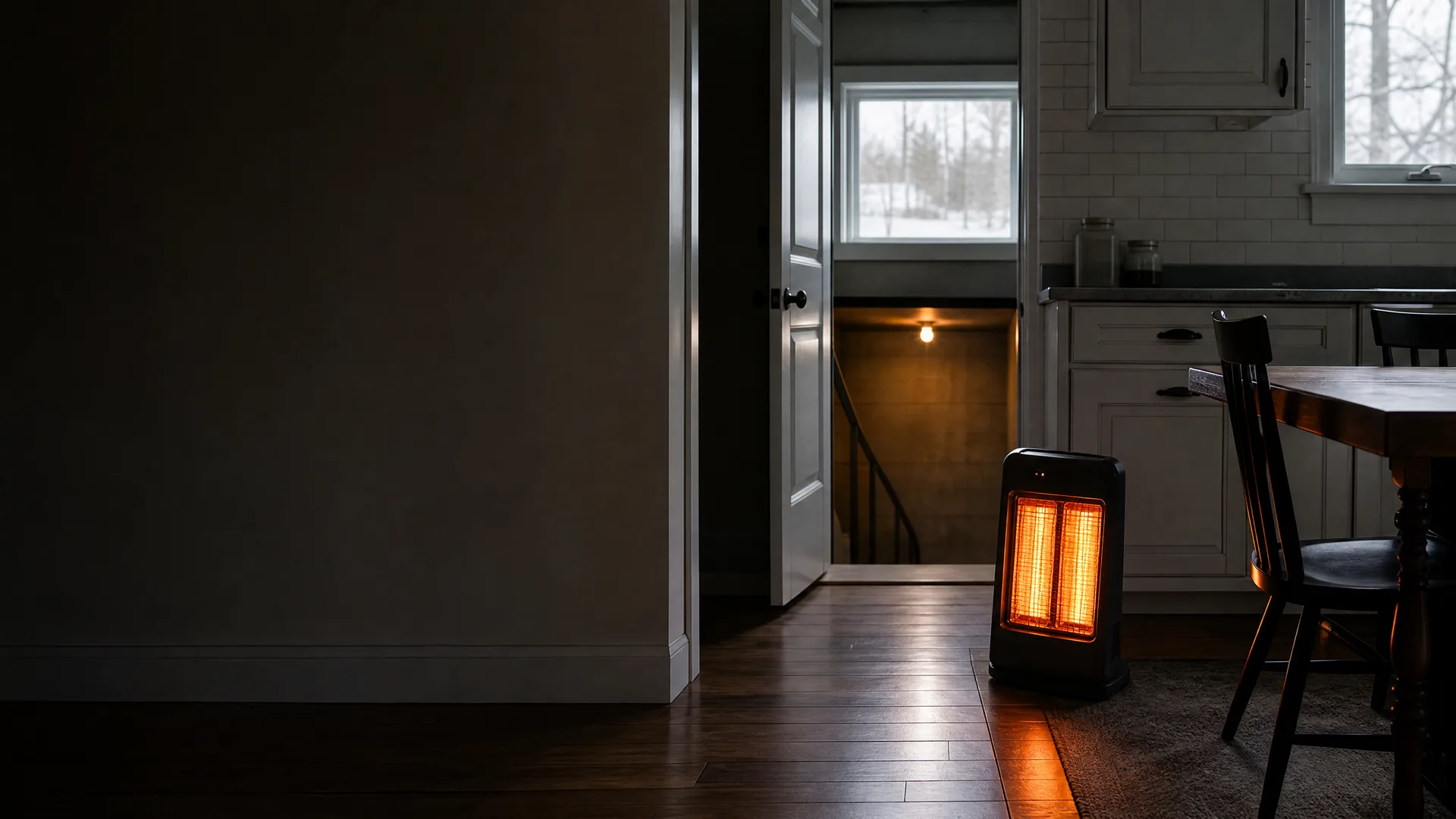
The power's been out since before you woke up. It's still dark outside and the house has that stillness to it. You've got the space heater pulled up close to the table, orange coil glowing, coffee going cold while you wait on the furnace. The basement door is open behind you because you went down twice already to check the pilot and the switch. Outside it's deep into a South Dakota morning, cold enough that you can see your breath near the window. The furnace won't fire without power to the blower and the igniter, high-efficiency or not, so you sit with the one burner you've got and wait for the lights to come back.
11°F is the overnight low you're heating against for three months straight, not just on the coldest night of the year. A furnace running long stretches at that temperature is where 95% efficiency earns back more of what you burned than 80% ever will.
NOAA nClimDiv 1991-2020 county normals weighted by homes
There's no wrong furnace here, only a question of how long you'll own the house. Stay long enough and a 95% furnace pays back what it cost through lower gas bills, winter after winter at 11°F overnight. Sell in a few years and an 80% furnace with sound venting and a good heat exchanger will have done its job just fine, and you won't have carried the extra cost for nothing. Both, installed and vented the way they're supposed to be, will get your house through a South Dakota winter without drama. What matters more than the AFUE number is who puts the furnace in. A contractor who services these systems through South Dakota winters every year knows which 80% units are still sound and which ones are on borrowed time, and which 95% installs are done right and which ones will give you trouble with the PVC venting or the condensate line down the road. That's the kind of judgment that doesn't show up on a spec sheet. When you request a match, it's one contractor, local, licensed, who works on this equipment all winter, not a handful of companies competing for your number. They'll look at your furnace, your venting, and how long you're planning to stay, and tell you straight which furnace makes sense for your house, not just which one is newer.





Your request stays with one local pro.
You only hire the pro if you want to.