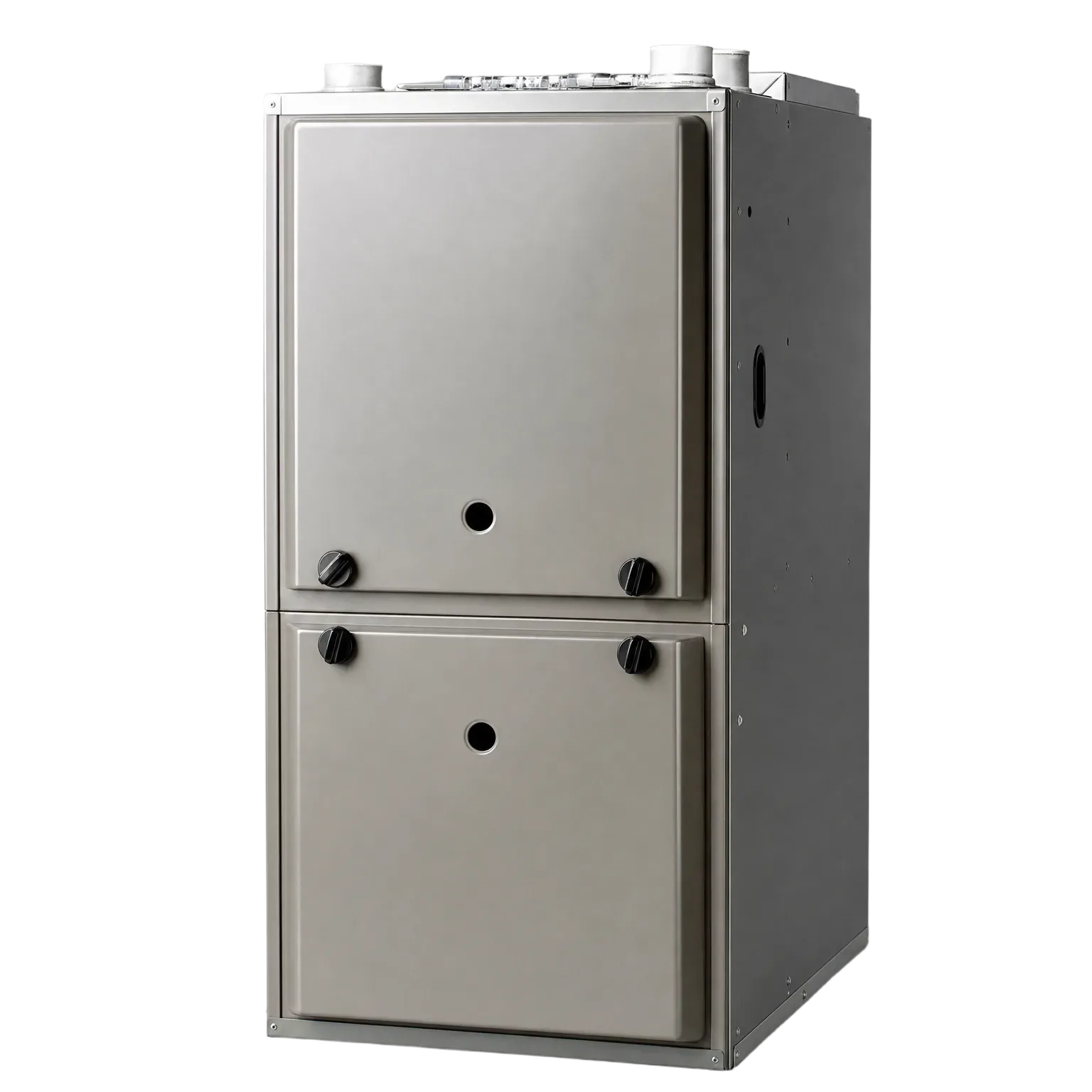

A furnace that still keeps up
It cycles on, heats evenly, and holds through the coldest nights without strain. Age is just a number if the furnace is still doing its job. Keep an eye on it, but there's no reason to rush a decision.
A local installer who puts in furnaces gets your project.
Find my proThere's no single birth year that marks a furnace as done. What matters more is how it's behaving right now, especially with winter nights in South Dakota averaging 11°F overnight across December, January and February. A furnace that struggles to keep up on those nights, cycles more than it used to, or needs a repair call every season is telling you something an age alone can't.
Furnaces built to last into that range start losing ground earlier if they've worked hard through South Dakota winters. If yours falls in that window and you're seeing higher gas bills, uneven heat room to room, or more frequent repairs, those are the signs worth weighing alongside the age. A furnace that's 15 to 20 years old and still running clean isn't automatically due for replacement, but it's worth having looked at before another winter puts it to the test.




A furnace is a collection of parts, and they don't all wear out on the same schedule. The heat exchanger, the igniter, the blower motor each have their own lifespan, and a furnace that's been serviced and kept clean can outlast one that's been ignored for half as long. What breaks it down isn't the number of winters behind it so much as how many of those winters it ran hard, how often it got checked, and whether small problems got fixed before they spread. That's why two furnaces installed the same year can be in completely different shape.
With overnight lows averaging 11°F across December, January and February, your furnace in South Dakota isn't cycling on and off gently. It's running long stretches to hold the house at temperature, and that kind of steady demand is harder on a system already showing its age. An older furnace that struggles on a mild 30°F night can fall further behind once it's fighting to keep up against single digits. If yours is cycling constantly, running longer than it used to, or leaving rooms cooler than they should be, that's the system telling you something age alone wouldn't.


It cycles on, heats evenly, and holds through the coldest nights without strain. Age is just a number if the furnace is still doing its job. Keep an eye on it, but there's no reason to rush a decision.
Short cycling, cold rooms, or rising gas use while utility gas still heats most South Dakota homes are signs the furnace is working harder for less. That's when it's worth having someone look at what's really going on.
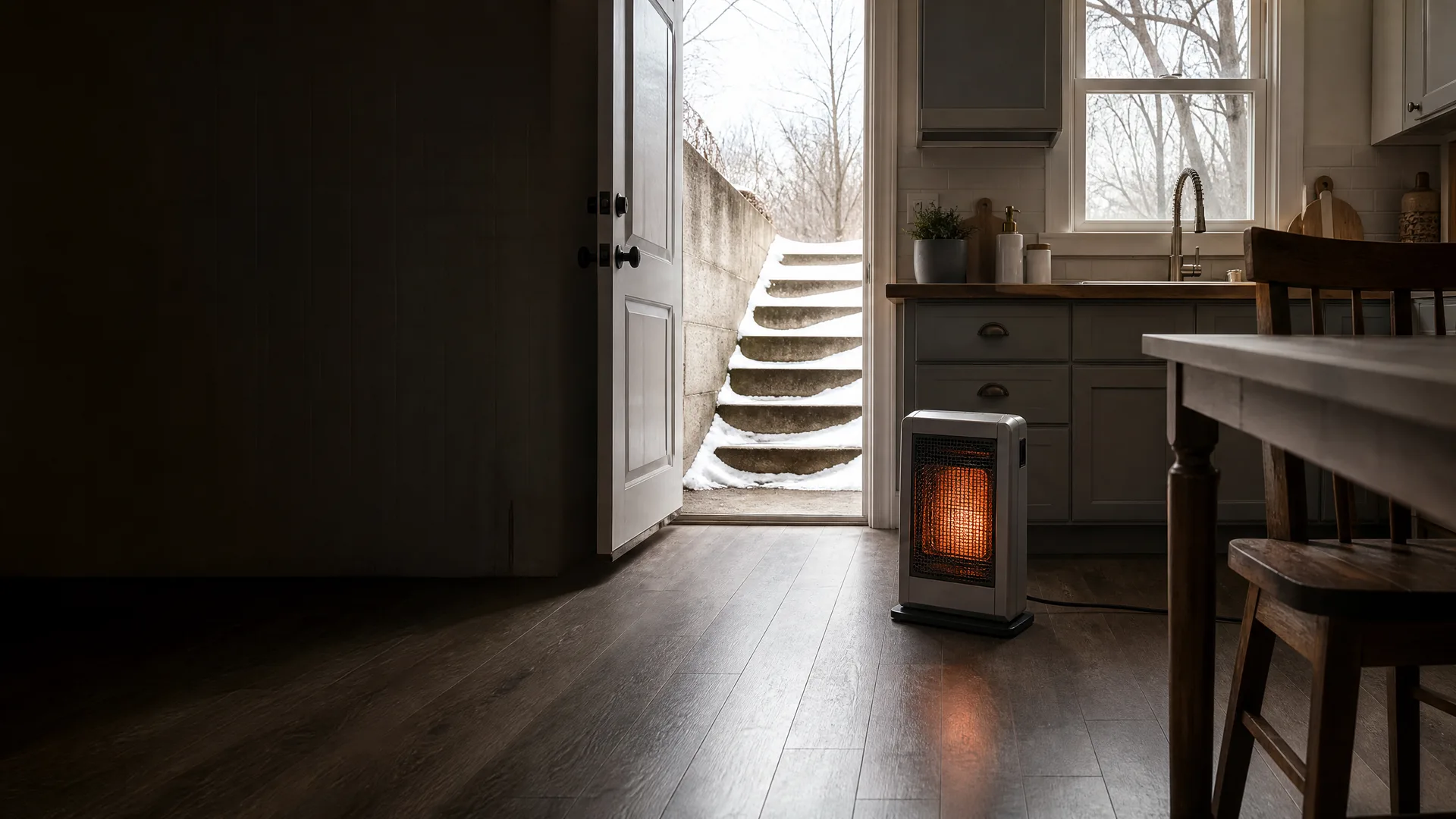
You're up before the rest of the house, coffee going, and the space heater by the kitchen table is doing the work the furnace used to do on its own. The basement door is open behind you, like leaving it open might help you hear whether the thing kicks on. It's one of those mornings where South Dakota reminds you what 11°F before sunrise actually feels like. You already know the furnace is older than you'd like. What you don't know is whether it's still got a season or two left in it, and that's not something you can tell from the kitchen. Instead of spending the morning calling furnace companies and repeating yourself to each one, you could be matched with a contractor who looks at your actual furnace and tells you where you stand.
Describe the project once instead of to every installer.
Sending the form costs nothing.

A gas furnace in South Dakota earns its keep over many winters with lows averaging 11°F through December, January and February, and the parts inside wear at different rates. A tech opens the cabinet and looks at the heat exchanger for cracks or rust, listens to the blower motor for bearing noise, checks the igniter's glow, and watches the flame color through the window. None of that shows up by counting years since installation.
That's the gap between a homeowner guessing and a contractor diagnosing. Instead of spending a weekend calling around, describing the same noise to five different shops, and lining up quotes to compare, you answer a few questions once and get matched with a contractor who serves your needs in South Dakota. They reach out to you from there.

At 11°F, a furnace that's aging out won't just run longer, it'll lose ground overnight. Rooms farthest from the furnace cool first, and a system already struggling to keep up has no reserve left for the coldest stretch of a South Dakota winter.
NOAA nClimDiv 1991-2020 county normals weighted by homes
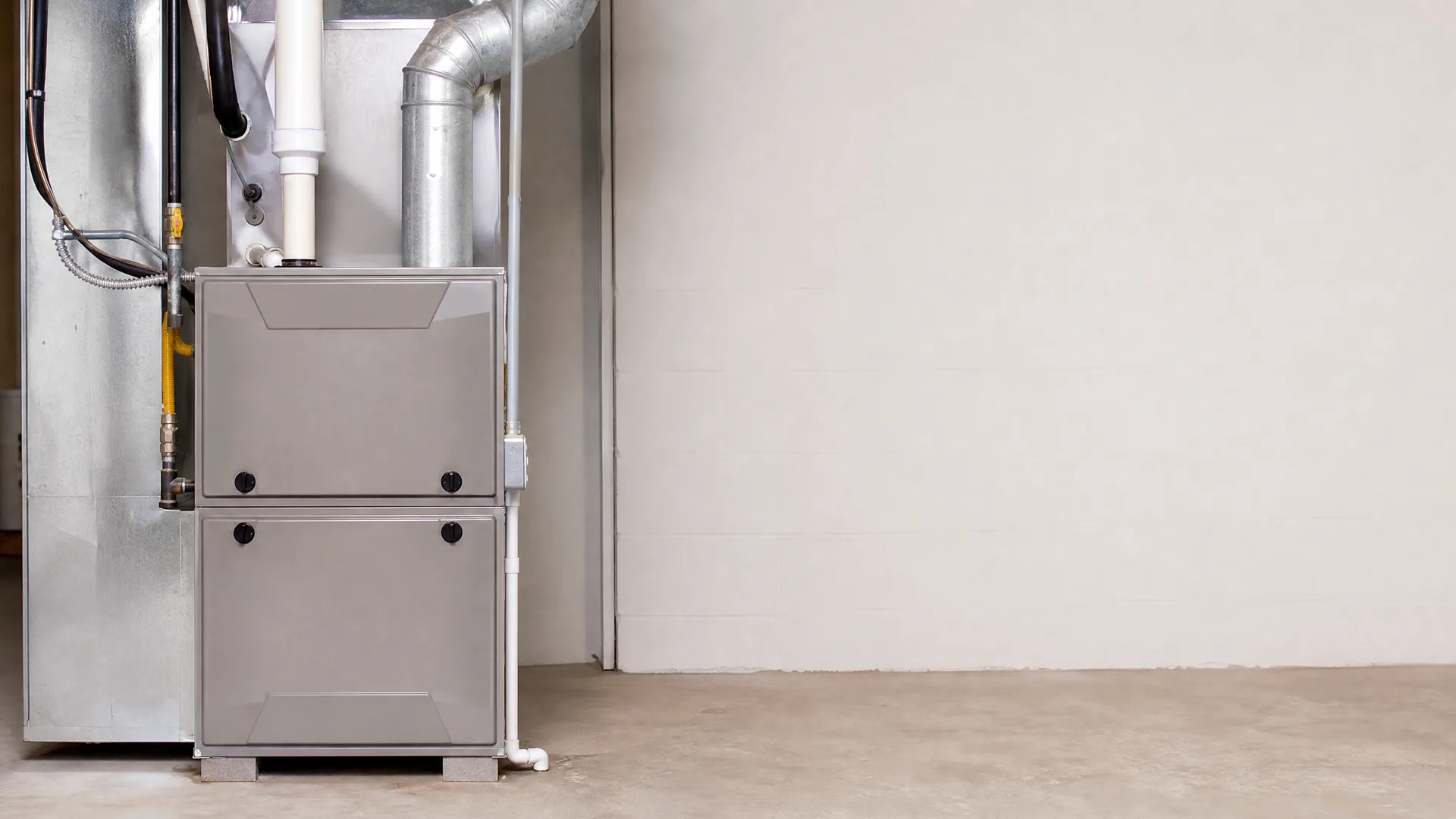
You can keep an aging furnace going for a while if it's still heating evenly and holding through cold nights, with servicing and a close eye on how it behaves. That path works until it doesn't, and in South Dakota, where overnight lows average 11°F across December, January and February, the moment it stops working is the moment you need it least. Keeping it means watching for the signs, not waiting for a fixed number of years.
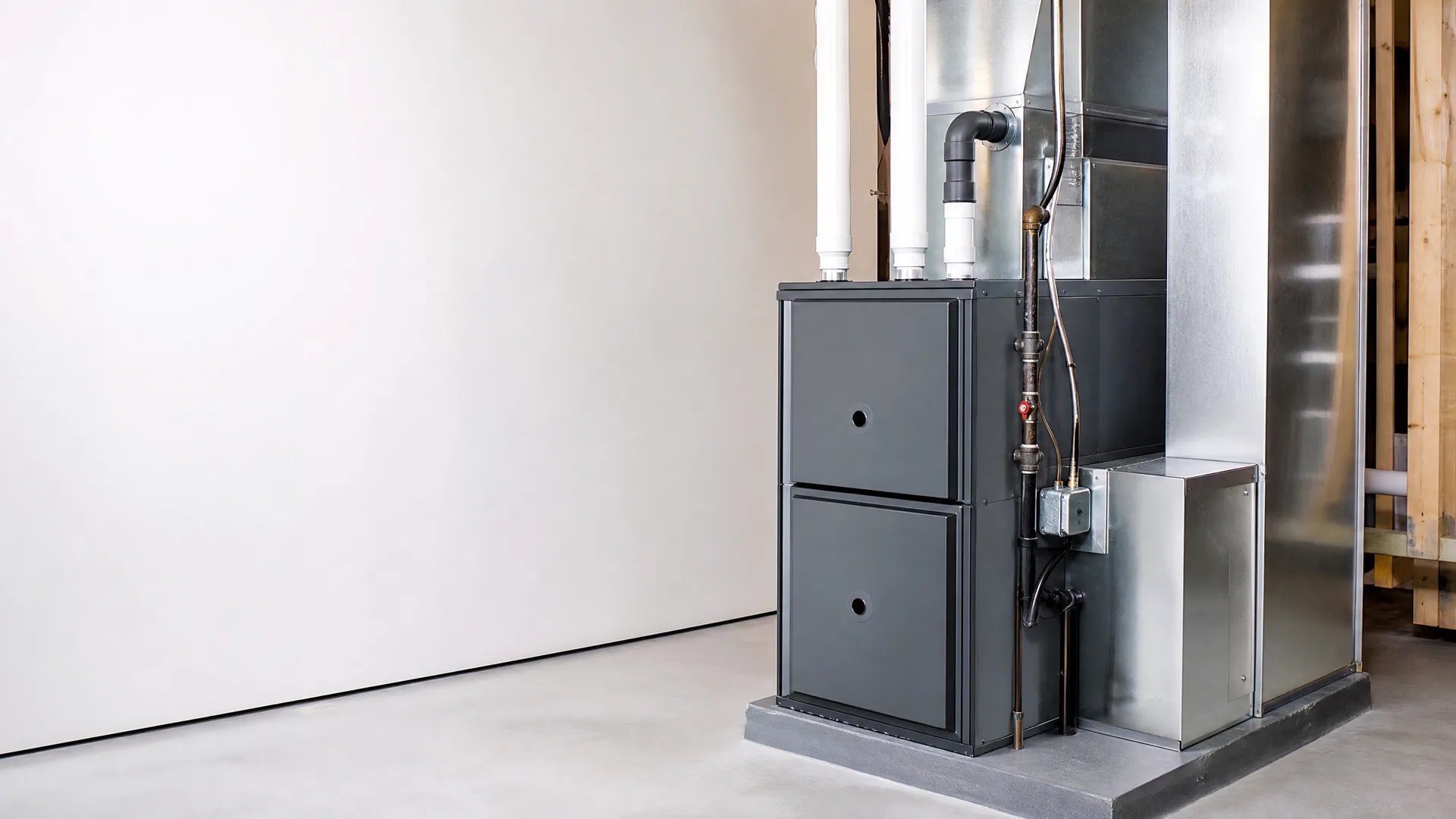
Replacing a furnace on your own timeline means you get to compare contractors, ask questions, and pick what fits your house before anything breaks. Waiting until it fails means doing all of that in a hurry, in the cold, with your family going without heat while you search. Either way the work of finding a contractor is the same task, it's just easier to do well when you're not also layering on a coat indoors.
Age by itself never answered the question you started with. What matters is how your furnace is actually behaving through nights that average 11°F across December, January and February, and whether it's still holding its ground or starting to lose it. If you've decided it's time to have it looked at or replaced, the part that wears people down isn't the decision, it's everything after: searching for contractors, calling a handful of them, explaining the same symptoms over and over, then sitting with a stack of quotes trying to tell which one actually fits your situation. That's the work this page hands off for you. You get matched with a contractor suited to what you've described, and they reach out to you directly. What happens with your furnace from there, servicing it, replacing it, deciding it has another winter left in it, is still yours to weigh. But you won't be weighing it alone, and you won't be the one doing the legwork to find someone who knows what they're looking at.

A pro who works on furnaces