
Gas furnace vs heat pump in South Dakota
Gas Furnace or Heat Pump: Which Is Right for South Dakota?
Winter here is the deciding factor. Overnight lows average 11°F across December, January and February, and that's the average, meaning plenty of nights fall colder. A heat pump has to work hardest exactly when it's coldest out, pulling heat from outside air that has less and less to give. A gas furnace burns fuel to make heat, so it doesn't lose output when the temperature drops. That difference is why most homes around you already heat with gas.
For South Dakota Winters, Gas Furnaces Hold the Edge
Utility gas heats more occupied homes in South Dakota than any other fuel, at 47.6%, and the climate explains why. A furnace keeps producing the same heat whether it's 30°F or well below zero outside. A heat pump can still make sense for a home with the right setup, but on its own, through a South Dakota winter, it's working against the cold instead of with the usual local choice. If you're deciding between the two for a new install, the nights in the teens are the ones worth planning around, not the mild ones.
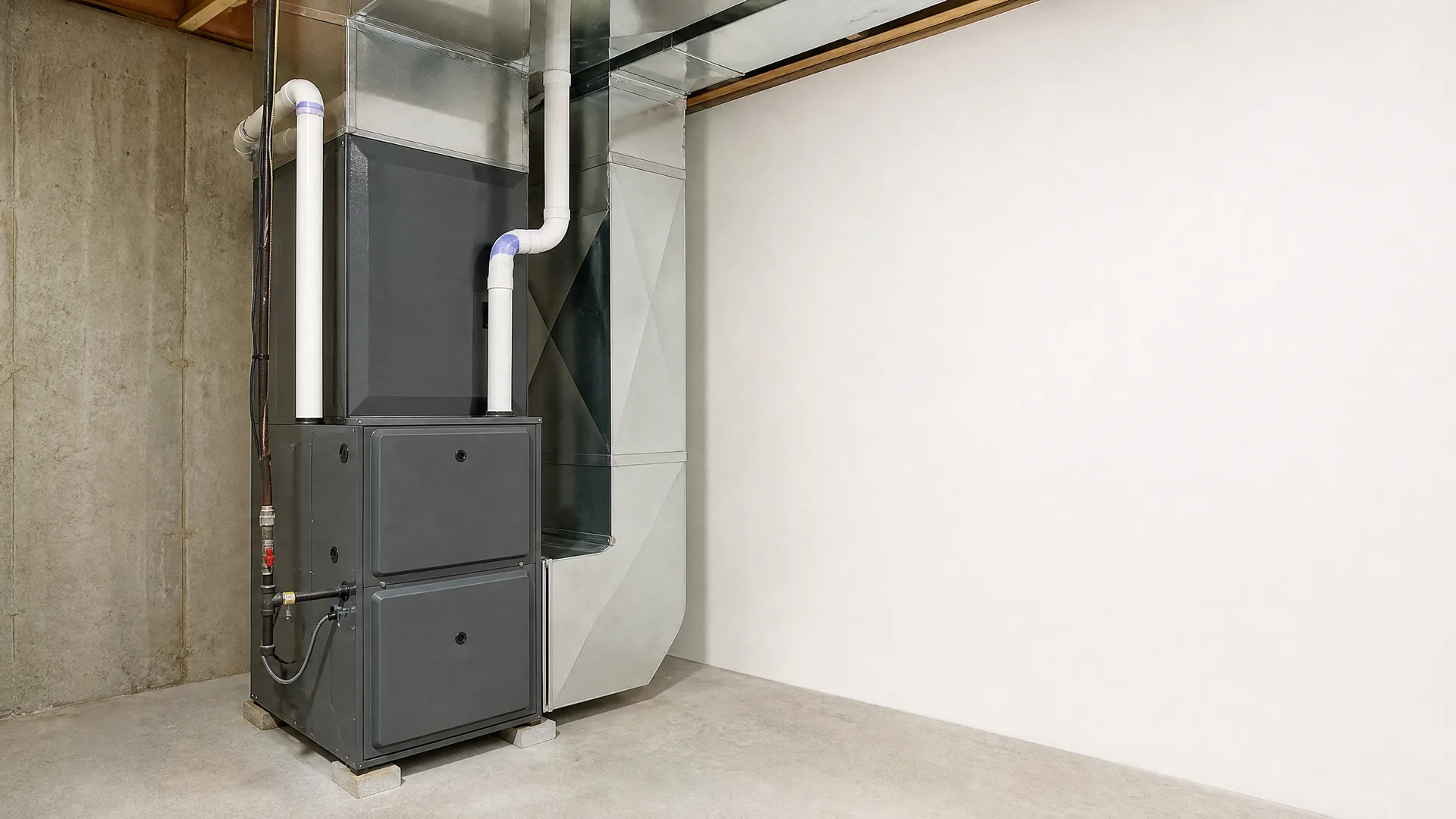
What That 11°F Average Means
An average sits in the middle, so for every night milder than 11°F there's one colder. A heat pump pulls heat from outside air, and the colder that air gets, the less heat it has to give up. Furnaces don't have that problem. A gas furnace burns fuel to make heat directly, so a night at 11°F or well below asks nothing extra of it. That's the gap a heat pump has to close somehow in a South Dakota winter.
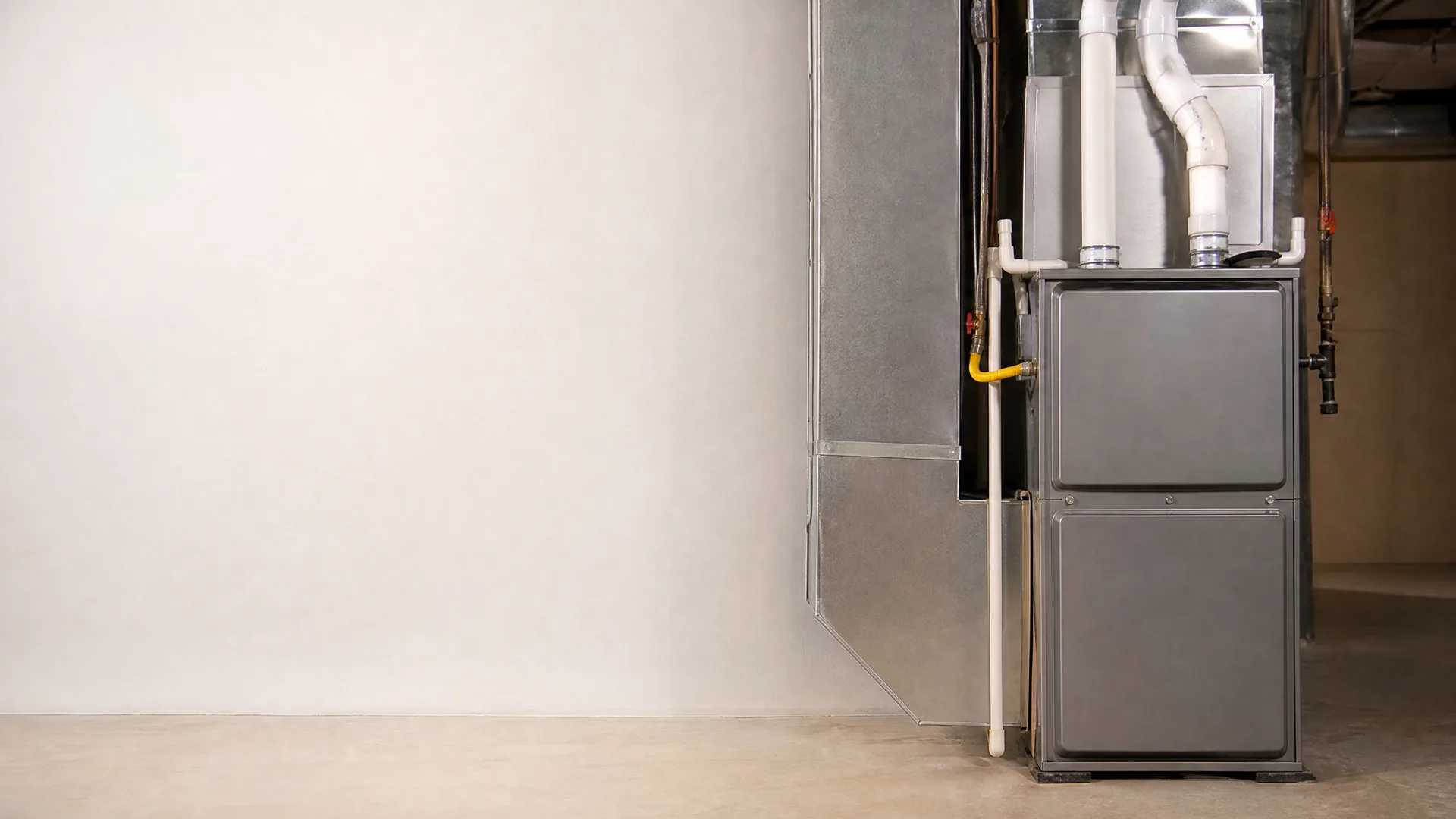
Why Gas Leads Here
Utility gas heats more homes in South Dakota than any other fuel, at 47.6 percent. That's not an accident of habit. It's the fuel that lines up with winters like this one, where cold nights are routine rather than rare. If your home already has a gas line run to it, a furnace uses infrastructure that's already standard across the state. A heat pump can still work here, but it's working against the grain of what the climate and the existing setup favor.

Where This Leaves Your House
If your house is heated by a furnace already, that's not an accident. Utility gas heats more homes in South Dakota than any other fuel, and on the nights that drop well below that 11°F average, a furnace keeps putting out the same heat regardless. A heat pump alone would be leaning hardest exactly when it has the least to work with.
None of that means you have to work out the details yourself. Sorting through which setup fits your house, pricing it against a heat pump, finding someone to install it right, these are the parts that eat a weekend and still leave you unsure. Tell us what you're working with and you'll be matched with a contractor who handles installations like yours in South Dakota, and they'll reach out to you directly. No calling around, no repeating your situation to five different companies, no guessing which quote actually covers the job.





Why your house still wants a furnace
On the nights that fall well under that 11°F average, a furnace keeps the house at the same temperature it holds in a mild spell. A heat pump alone is working harder for less heat right when you need the most of it. That gap shows up as rooms that won't quite catch up and a system that runs longer than it should. Most homes around you are already heated with gas for this reason. Put off deciding and you're left choosing equipment in the middle of a cold snap instead of ahead of one.


Matched to your furnace job
You've seen the numbers. South Dakota winters push past that 11°F average on plenty of nights, and gas already heats more homes here than anything else. Once you've decided a furnace is the right call, the next job is finding someone qualified to put it in, and that part takes real time. Finding contractors who install furnaces, calling each one, explaining your house and your situation over and over, then sitting with quotes trying to figure out who actually knows what they're doing. That's the part worth handing off. Answer a few questions here and a contractor who installs furnaces in South Dakota reaches out to you directly. No more digging through listings or repeating yourself on the phone. You still have a cold-weather house to plan for and a decision you've already made. Let the matching happen in the background while you deal with the parts that actually need your attention.
How A Furnace Actually Heats
- A furnace burns gas at the burner to make heat directly, so outdoor temperature doesn't change how much heat it can produce.
- A heat pump moves heat by compressing refrigerant, and that cycle gives up less heat as the outside air gets colder.
- Furnace output is sized to the house once, during installation, and stays the same on the coldest night as the mildest.
- The heat exchanger is the part doing the work in a furnace, not the blower, which only moves the air once it's already heated.
- Contractors size a furnace to cover the coldest nights a house sees, not the average, since the average is only the midpoint.
- Gas supply and venting are separate systems from the ductwork, and all three have to be in place for the furnace to run.
A furnace makes heat where it burns gas, at the burner, so the cold outside doesn't cut into what it can put out. A heat pump works differently. It moves heat from outside air into the house by compressing refrigerant, and that process gives up less heat as the air it's pulling from gets colder. That's the gap between the two in a South Dakota winter. The part doing the work in a furnace is the heat exchanger, not the blower. The blower just pushes air across it once it's hot, which is why a bigger blower or a cleaner filter won't make a furnace heat better, only move that heat around the house more evenly. Sizing happens once, when a contractor installs the furnace, matched to the house and built for the coldest nights it sees, not the mild average. That means the same furnace that heats your house on a 30°F evening is doing the same job on a night well under that 11°F average. Nothing about the burner changes. None of this runs on its own, though. The furnace needs gas supply and venting in place alongside the ductwork, three separate systems that all have to be working for the furnace to fire at all. If your house came with a furnace already installed, those systems are already there, running the way they were set up to.
Winter nights average 11°F statewide
That number is a midpoint, not a floor. Half the nights this time of year sit colder than 11°F, some by a wide margin. A furnace holds its output on those nights. Plan your heat around the cold nights, not the average one.
NOAA nClimDiv 1991-2020 county normals weighted by homes
You came here weighing gas against a heat pump, and the winters here answer that for you. An average of 11°F across December, January and February means plenty of nights sit colder, and a furnace holds its output right through them while gas already heats more homes in South Dakota than anything else does. What's left isn't the decision, it's getting the furnace put in, and that's the part that eats a weekend if you handle it alone: searching for contractors who install furnaces, calling around to see who answers, explaining your house and your situation to each one, then sitting with a stack of quotes trying to compare them fairly. Convert here and that work is the part that goes away. You get matched with a contractor suited to your needs, and they reach out to you instead of you chasing them down. The furnace still has to go in, the work is still real, but the finding-someone part stops being your job.





A furnace pro near you
Skip collecting and comparing quotes for the new furnace.
Asking costs nothing, and the choice to hire stays yours.