
Is it hard to replace a heat exchanger?
Replacing a heat exchanger is not a quick fix, and on most furnaces it is not a job worth doing at all. The exchanger sits buried in the middle of the furnace, behind the burners and blower, so getting to it means pulling the unit apart piece by piece. On many models the cabinet has to come apart too. A contractor also has to match the exact exchanger for your furnace's age and model, since they are not interchangeable parts sitting on a shelf. That is the labor side. The bigger question is usually whether it is worth doing at all. A cracked exchanger is often a sign the furnace has reached the point where other parts are close behind it, which is why many contractors will walk you through replacing the furnace instead of just the one part. Whether that makes sense depends on how old your furnace is and what shape the rest of it is in.
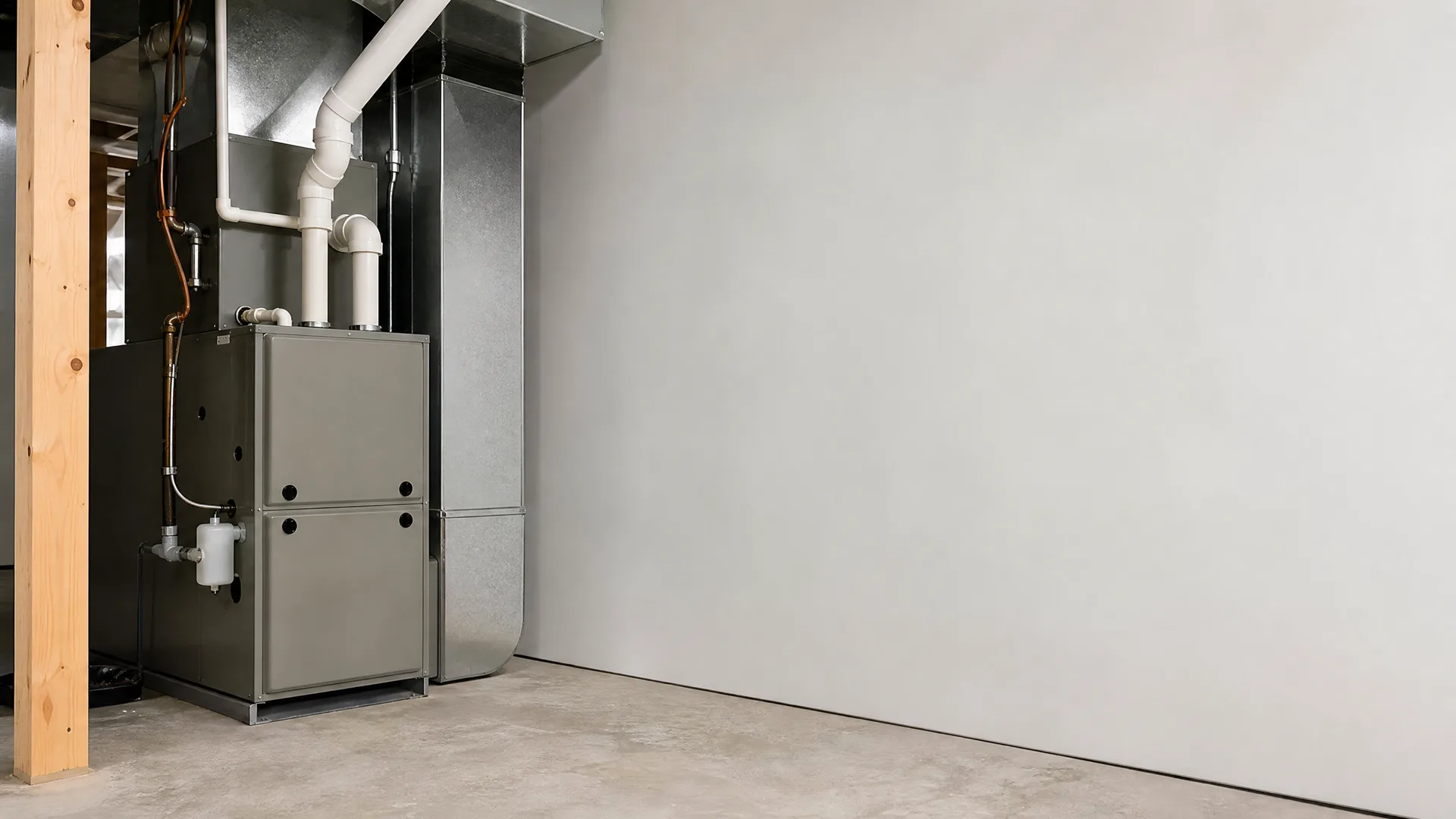
Why the exchanger sits so deep
Your furnace is built in layers. The cabinet comes off first, then the blower, then the burner assembly, before the heat exchanger is even visible. It sits in the middle of the furnace because that is where it needs to be, with flame on one side and the air going to your rooms on the other. That position keeps your home's air separate from combustion gases, but it also means nothing about reaching it is quick.
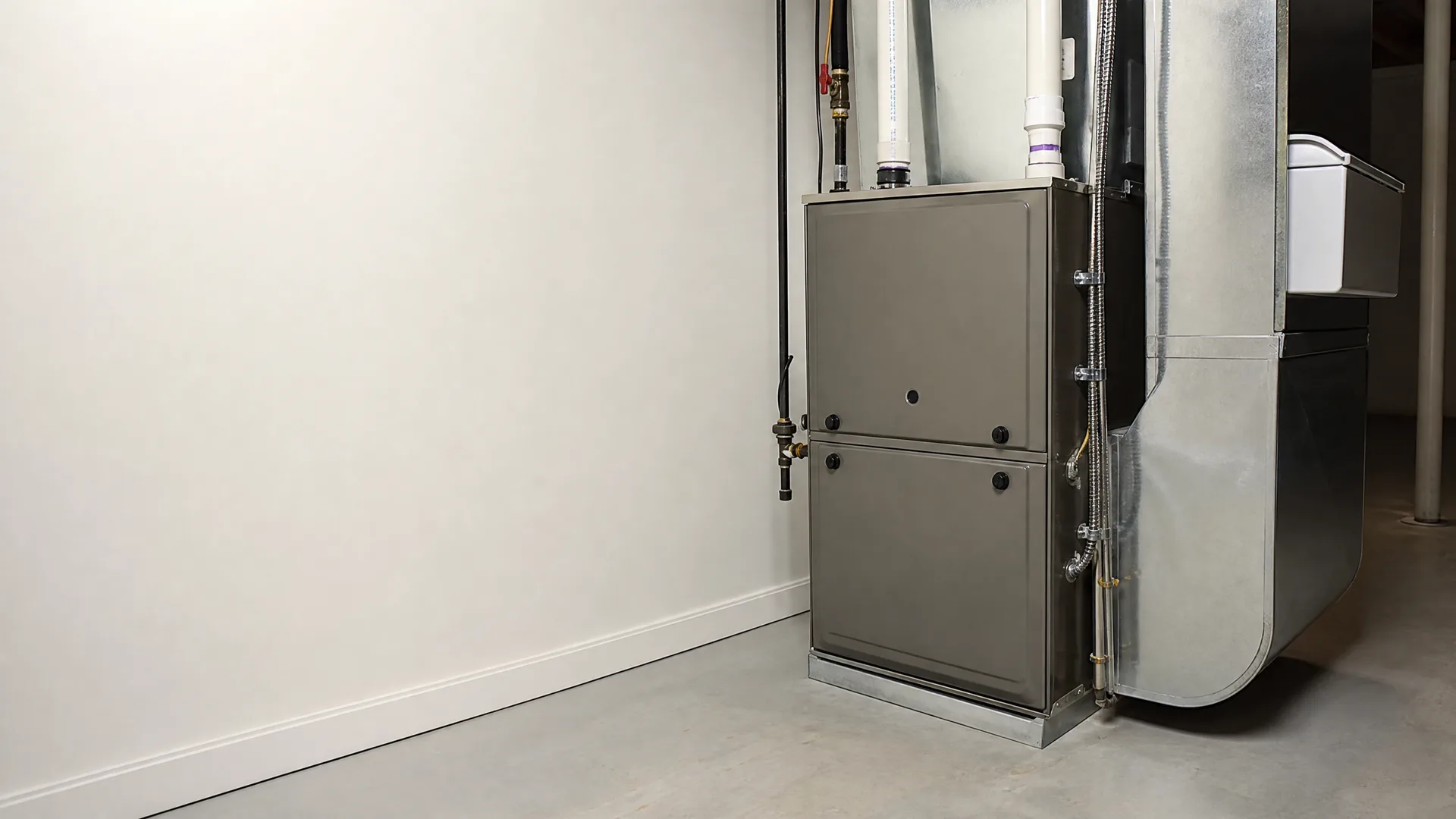
Why age changes the math
A furnace from 1977 or earlier was built differently than one installed in recent years, and a contractor checking yours will factor that in before recommending a path. An older cabinet can make the teardown slower, and matching an exchanger to an aging model is not always straightforward. If your furnace came with the house, you may not know which case applies, and that is something worth having a contractor look at directly.
Wondering what a cracked heat exchanger means for your furnace?
If a contractor has flagged your heat exchanger, you're likely dealing with a furnace that's older, since this part fails from years of heating and cooling cycles, not all at once. You might have noticed a strange smell, soot around the burners, or a carbon monoxide detector going off. The part itself sits buried behind the burners and blower, so reaching it is not a small job, and on many furnaces replacing it costs as much as putting in a new system. Left alone, a cracked exchanger can let combustion gas leak into the air your house breathes, which is why most contractors treat it as a safety issue first and a repair question second.

The cabinet, blower, and burners come off before the exchanger shows.
A contractor checks the exchanger's shape and seams for cracks, not just rust.
A cracked exchanger usually means the whole furnace gets weighed against repair.
New exchangers are matched to the furnace model, not sold as a universal part.
Why does a heat exchanger take so long to replace?
It is a fair question, since most repairs on a furnace take an hour or two. This one is different because of where the part lives. The heat exchanger is not bolted on the outside where a contractor can reach it with a few screws out. It is set inside the cabinet, behind the burners and the blower, which means those pieces have to come out first just to expose it. Add in the gas line and wiring that run near it, and the time adds up before any new part goes in.
The time goes into access, not the part itself
Swapping the exchanger is the easy part once it's sitting on the bench. Getting there is what takes the hours. A contractor has to disconnect the gas line, pull the burner assembly, and remove the blower before the exchanger even comes free. Each piece gets set aside and has to go back in the right order, checked and reconnected. On some furnaces the cabinet itself is built tight around the exchanger, so there's little room to work. That's the part that stretches a simple parts swap into a job that takes most of a day.




The right pro for this job
Once a contractor tells you the heat exchanger is cracked, the real work starts, and it is not the kind you want to do after a day at work. You would be calling around South Dakota trying to find someone who still works on older furnaces, explaining the same symptoms to each one, then sitting with quotes that are hard to compare because no two contractors inspect it the same way. Some won't call back. Some will quote the job without seeing the furnace first. Handing this off means you tell your situation once, and a contractor who takes on exchanger work reaches out to you directly. That still leaves the decision in your hands, repair or replace, but you reach it with someone who has actually looked at your furnace, not a list of strangers you tracked down yourself. Your evenings are worth more than that search.
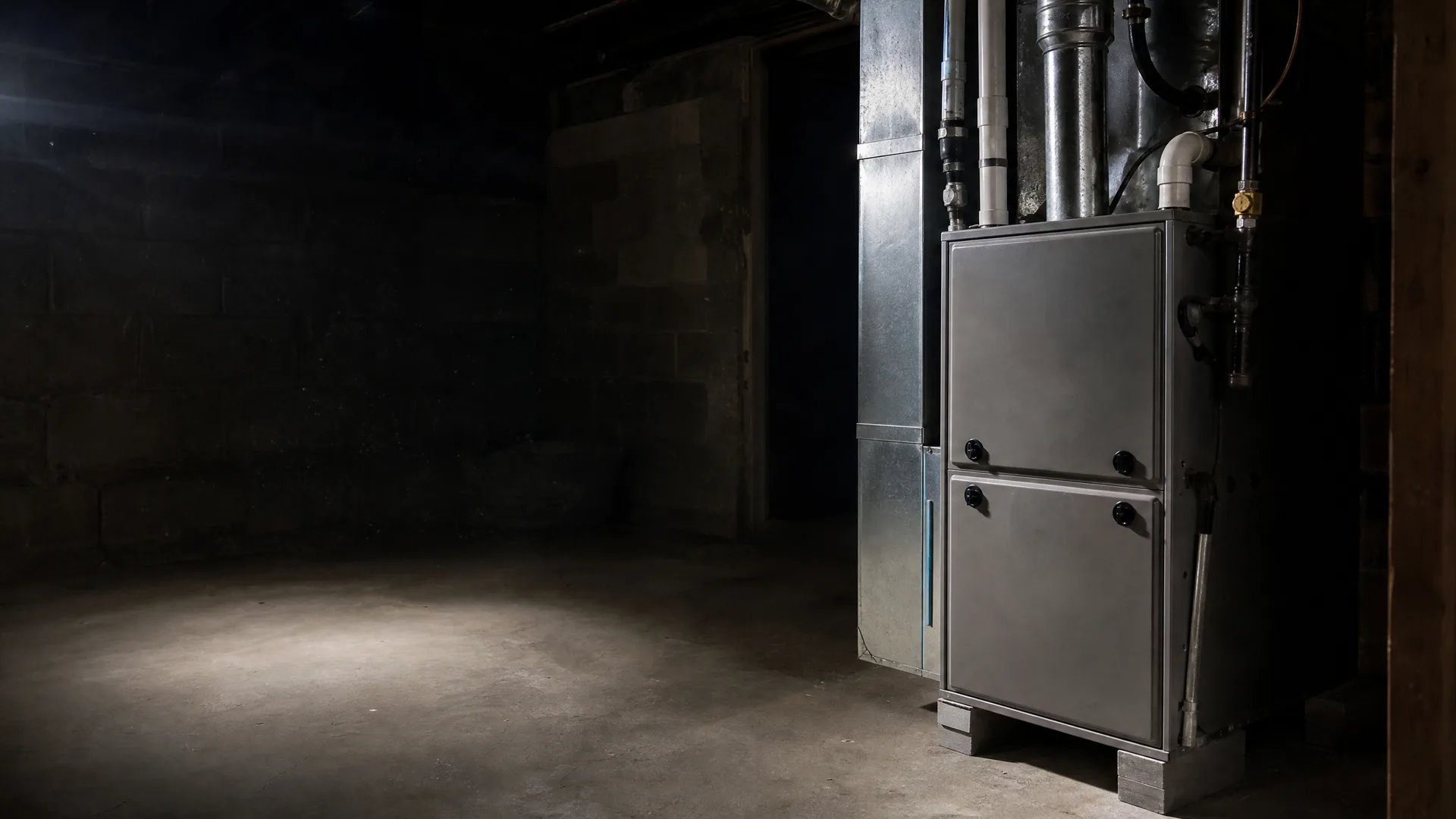
You go down to switch on a load of laundry and notice the basement is colder than it should be. The furnace stands dark in the corner. No hum, no glow from the sight glass, nothing. You crouch down and a faint haze of dust catches the light near the burner compartment, the kind that settles when a blower hasn't run in a while. It's November, and the house will start losing ground fast once the sun's down. You put a hand on the ductwork near the unit. Cold metal. Somewhere behind that dark burner assembly is a heat exchanger that either cracked or has nothing to do with this at all, and from where you're standing there's no way to tell which.

What a cracked exchanger means in your house
For you, this isn't really about labor hours. It's about whether your furnace is worth taking apart at all. If a contractor finds a crack, you're looking at a furnace that's old enough to have earned it, and the question becomes whether to sink the work into reaching that part or put the money toward a new furnace instead.
There's also the matter of safety until that decision gets made. A cracked exchanger can let combustion gases mix into the air your furnace pushes through the house, which is why most contractors won't let you keep running it once the crack is confirmed. Instead of spending evenings calling around South Dakota, getting the same questions asked twice, and weighing quotes against each other, you answer a few questions once and a contractor who handles this reaches out to you directly.



Where you stand with this
- No more searching South Dakota listings trying to guess which contractors still work on older furnaces.
- No calling one shop after another to ask if a heat exchanger swap is even worth it on your model.
- No repeating the same description of your furnace and its symptoms to every new voice on the phone.
- No stacking up quotes side by side trying to figure out who actually knows this repair.
- One contractor who takes on heat exchanger work reaches out to you directly, matched to what you described.
A cracked heat exchanger is not a small repair. You've seen why: the part sits buried behind the burners and blower, so a contractor has to take the furnace apart in layers just to look at it, and on a lot of furnaces the honest answer is that it's not worth putting back together once it's cracked. That's the real decision in front of you now, not just a repair to schedule. What's left is the part that has nothing to do with the furnace itself and everything to do with finding someone who will tell you the truth about it. Instead of scrolling through listings trying to guess which shops in South Dakota still take on this kind of work, or calling one after another to ask if it's even worth doing on your model, you describe your furnace once. Instead of repeating the same symptoms to every new voice that picks up, or collecting quotes you have no way to judge against each other, a contractor who actually takes on heat exchanger work reaches out to you directly, already matched to what you described. The furnace question, whether this is a repair or a replacement, still has to be answered by someone standing in front of it. But the searching, the calling, the re-explaining, and the guessing at quotes are the part you hand off. What's left for you is simpler: wait for the call, and talk through what you're seeing with someone who already knows roughly what they're walking into.





Matched to your furnace job
Answer a few questions instead of calling shop after shop.
No fee to send it, and nothing to sign.