Furnace pilot light keeps going out in South Dakota

Tell a local repair pro what your furnace is doing.

Find my pro

A pilot light that keeps going out usually means a bad thermocouple. That's the small metal rod the pilot flame touches, and its job is to sense the flame and keep the gas valve open. Once it wears out or sits coated in soot, it stops reading the flame right and shuts the gas off, even though the pilot is lit. A draft blowing across the flame can do the same thing, and so can a flame that's too low or a dirty pilot orifice. On a furnace this old, the thermocouple is the part to suspect first, since they wear out with age and are cheap to replace. If you've been relighting the pilot every few days, that's not something to keep doing through a South Dakota winter. A furnace that won't hold a pilot won't hold heat, and gas furnaces are how most homes here stay warm.

A woman in a cream cowl-neck sweater sits by a window with snow outside, in a dimly lit living room with a sofa, lit lamp, mirror, candles and a fireplace.
A woman in a gray turtleneck sweater sits beside a large window looking out at snow-covered evergreen trees, in a dimly lit living room with a lit fireplace, lamps, couch and houseplant.
A woman in a cream turtleneck sweater stands beside a large window with snow-covered ground and bare trees outside, in a dimly lit living room with lamps, a sofa and framed art.
A woman in a grey cowl-neck sweater stands indoors near a window, looking out at falling snow, with a lamp, framed picture and couch in the warmly lit room behind her.
A woman stands in the open black front door of a white-sided house with a dark shingled roof while a man in a navy jacket approaches along the walkway, with lantern wall lights, a potted shrub, and flowering garden beds nearby.

A pilot that won't stay lit means no heat when you need it

A furnace that keeps losing its pilot light will eventually stop giving you heat at all, usually on a night when the temperature outside has already dropped hard. You'll notice it first as a house that won't warm past a certain point, then as a furnace that won't fire the second or third time you relight it. In South Dakota that's not a problem you want to sit with for long once the cold settles in.

Relighting the pilot yourself a few times is reasonable. Doing it every day through the winter means the thermocouple needs to be replaced, not relit. Rather than calling around to find a furnace tech who can look at it this week, you can get matched with a contractor who handles this kind of repair and have them reach out to you directly, so you're not stuck explaining the same problem to three different companies before anyone shows up.

Interior corner of a dining room with a round wooden table, a ceramic vase holding olive branches, a dark spindle-back chair near a curtained window, and a sideboard with a lamp against beige walls.
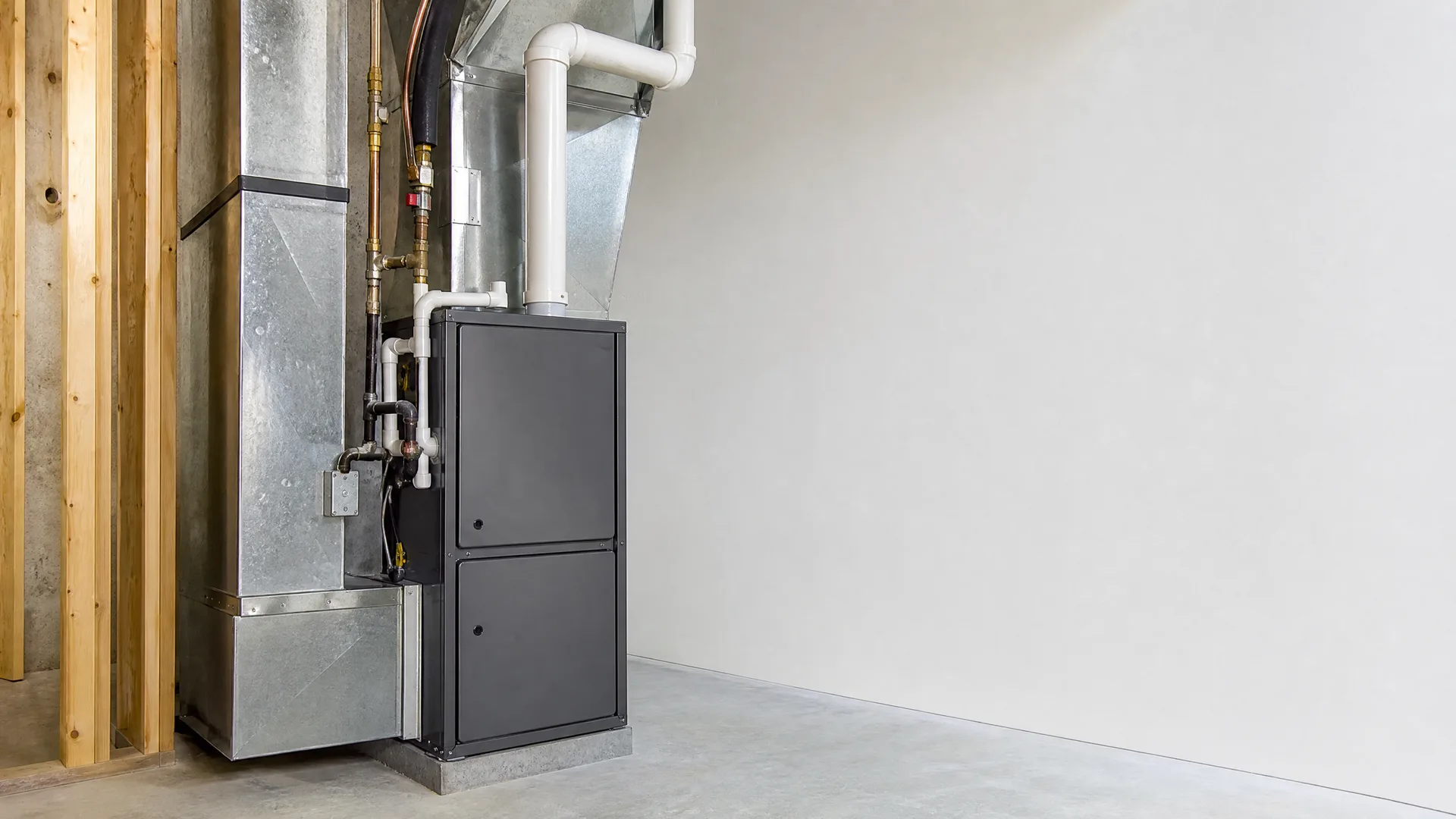
A dark gray furnace connected to galvanized sheet-metal ductwork, white PVC vent pipes and copper piping, standing against a plain light wall in a room with a bare concrete floor and exposed wood framing at left.

What a dirty thermocouple does

Soot or dust on the thermocouple tip keeps it from reading the pilot flame correctly, even when the flame itself looks fine. The gas valve reads that as no flame and shuts off, so the pilot goes out. A contractor can often clean the rod and get it reading right again, but once it's worn down thin from years of heat, cleaning stops helping and the part needs replacing.

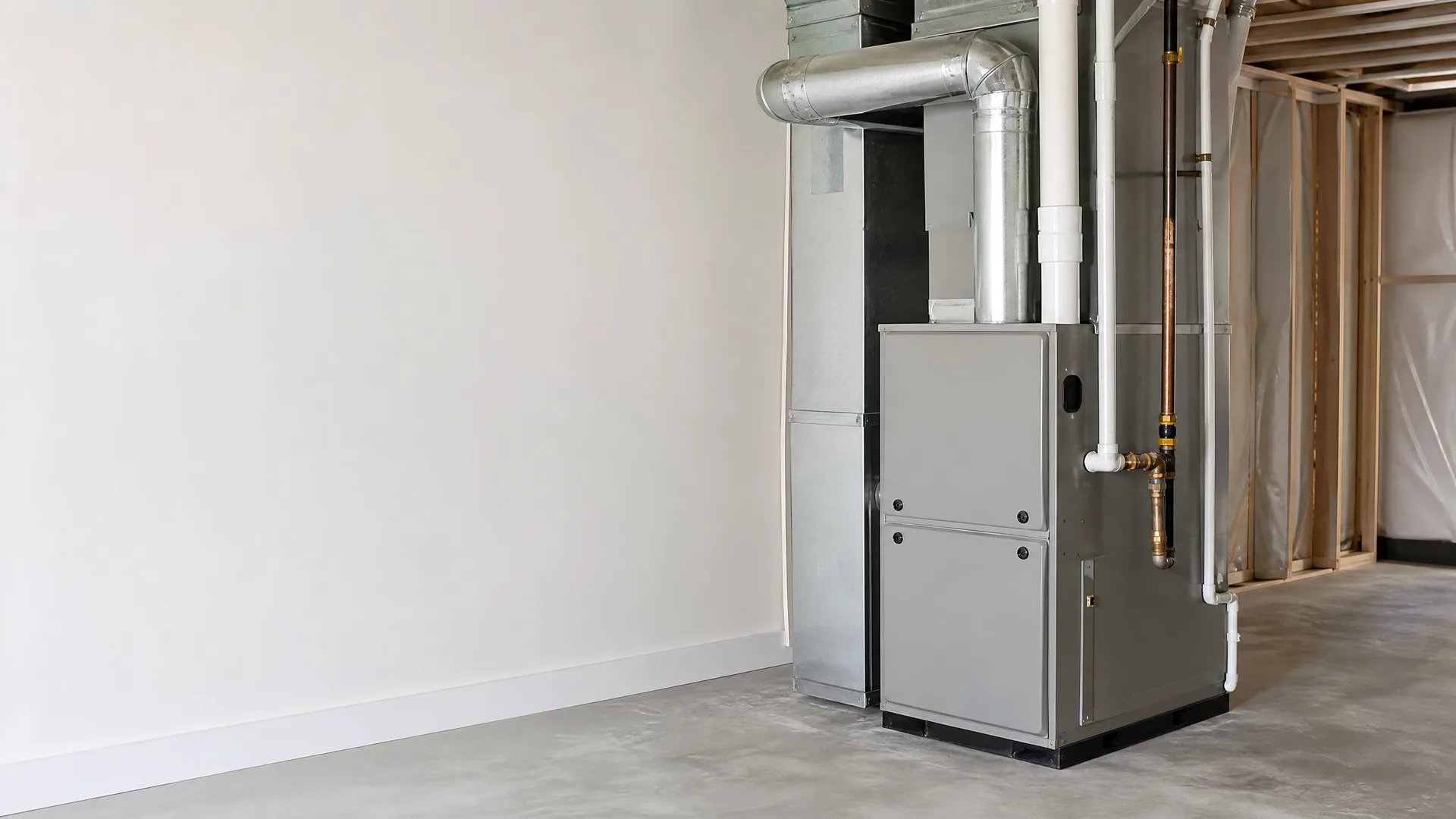
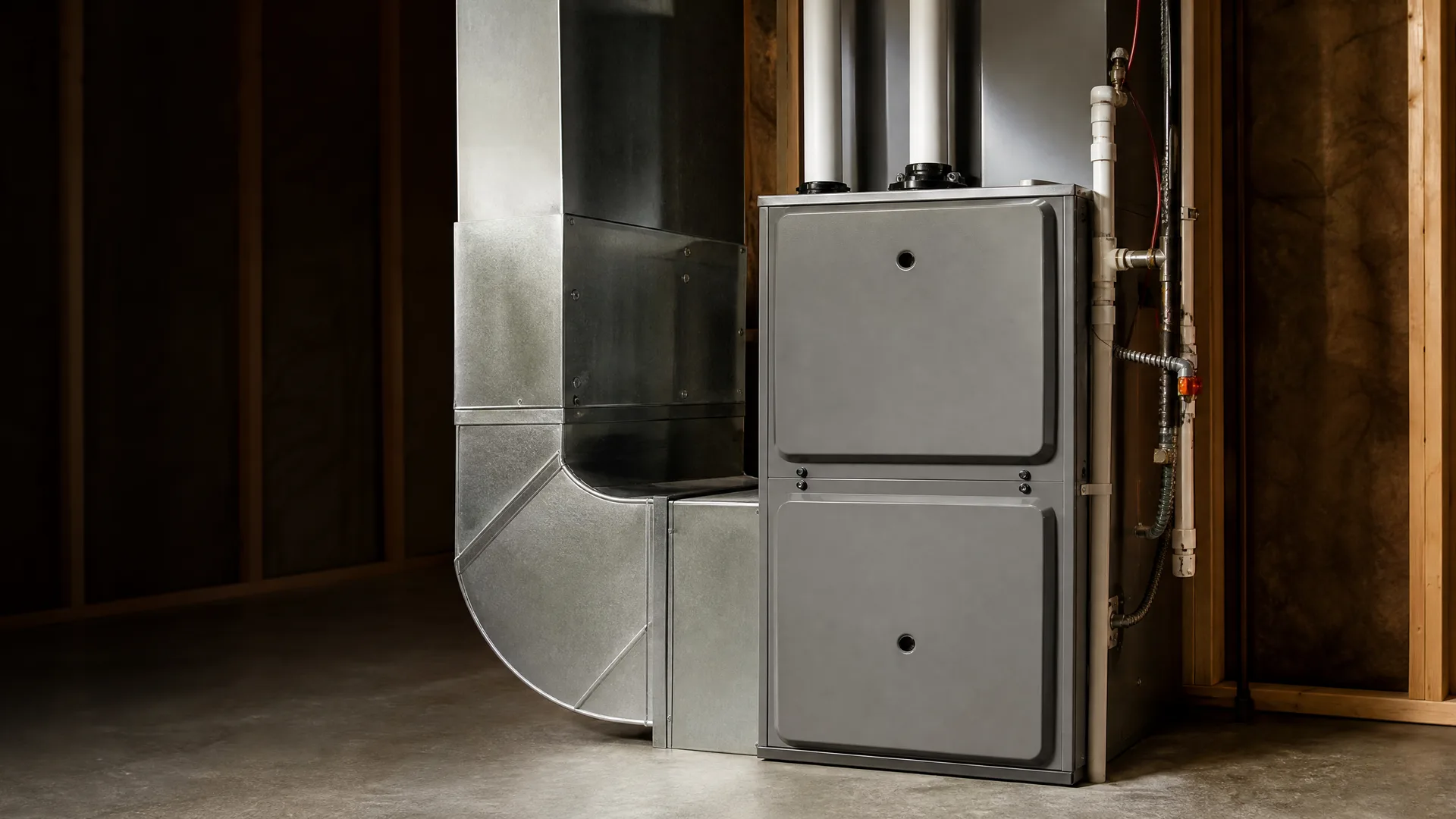
A gray high-efficiency furnace with sheet-metal ductwork, white PVC vent pipes and copper piping stands against a wall in an unfinished basement with a concrete floor and insulated wood stud framing at right.

A draft can do the same thing

Cold air moving through a cracked furnace cabinet or a loose vent pipe can blow the pilot out directly, with no worn part involved at all. This shows up more in January and February, when wind pushes harder against the house and the furnace runs for hours at a stretch. A contractor checking the pilot will also check the cabinet seams and the vent connection before replacing anything.

Why does my furnace pilot light keep going out?

You've relit the pilot a few times now and it never holds. Maybe it dies within minutes, maybe it makes it a day before going dark again. You're not looking to keep doing this all winter, so you want to know what's actually wrong before it turns into a furnace that won't run at all on a cold South Dakota night.

A worn or dirty thermocouple, almost always

Most of the time the pilot itself is fine. It's the thermocouple that's failed or gotten too dirty to do its job. The flame can be burning right in front of it and the valve still shuts the gas off because the thermocouple isn't sending the signal that tells it the pilot is lit. A thermocouple that's bent away from the flame, coated in soot, or just old from years of heating South Dakota winters will do this. Relighting it yourself buys a little time, but it won't fix the part that's actually failing. A contractor can test the thermocouple directly and tell you whether it needs cleaning or replacing.

  1. Pilot flame heats the thermocouple tip at its base.

  2. Thermocouple sends a small electric signal to the gas valve.

  3. Soot, dust, or drafts weaken or block that signal.

  4. Gas valve reads a weak signal as no flame present.

Relight It or Get It Fixed

Relight it yourself

  • You can usually get the pilot going again by following the lighting instructions printed inside the furnace panel.
  • It costs you nothing but the few minutes it takes, and South Dakota's cheap power doesn't change that math.
  • This works as a stopgap when the flame is weak or has gone out from a draft, not from a failing part.
  • You'll be back at it every few days if the real cause is a dirty or worn thermocouple, since relighting doesn't fix the sensor itself.
  • Doing this through a cold snap means you're the one checking the furnace at odd hours instead of it holding on its own.

Have a contractor look at it

  • A contractor can test the thermocouple's signal strength and tell you whether it needs cleaning or replacing.
  • You skip the back and forth of searching for someone local, calling a few numbers, and explaining the same pilot problem each time.
  • Once you're matched, the contractor reaches out to you directly instead of you chasing quotes from different companies.
  • A worn thermocouple usually needs swapping out, and that's a part a homeowner can't easily source or fit correctly without the right tools.
  • Getting it looked at now means you're not troubleshooting a dead pilot on the night it drops below zero.
A gray sheet-metal furnace with flue pipe and adjacent ductwork stands against a stone basement wall on a concrete floor, with white PVC and metal pipes running nearby.
Before you get your furnace repair
A gray high-efficiency furnace with white PVC vent pipes stands against a concrete basement wall beside sheet-metal ductwork, a small condensate pump on the floor, and exposed wood framing at left.
After you get your furnace repair

Matched to your furnace job

Describe what your furnace is doing once, in one form.

Sending the form costs nothing.

A gray gas furnace stands on a concrete basement floor, connected to sheet-metal ductwork, white PVC vent pipes, and a yellow gas line, with plastic sheeting covering the walls.

Pilot holding steady

This is what a working setup looks like: clean burners, solid gas lines, a pilot that stays lit through a January night without you checking on it. New or recently serviced furnaces hold their flame because the thermocouple is clean and seated right against the pilot.

A metal furnace with louvered panels stands against a concrete basement wall, connected to sheet-metal ductwork and a round flue pipe, with wooden framing posts and a pipe nearby.

Pilot losing the signal

This furnace has years on it and dust has settled into places it shouldn't. A thermocouple tip coated like this stops reading the flame correctly, so the gas valve shuts the pilot down. If your furnace looks like this one, a technician can check the thermocouple before the next cold snap.

Winter nights average 11°F statewide

Winter nights here average 11°F. At that temperature a furnace that keeps losing its pilot isn't a once-in-a-while bother. It's the difference between a warm house and a cold one before morning.

NOAA nClimDiv 1991-2020 county normals weighted by homes

A dark residential basement with a concrete floor and block walls, containing a furnace with two access panels connected to galvanized sheet-metal ductwork and a white vent pipe, lit by a small window at upper right.

The basement is dark except for the small window well at the top of the stairs, and that's giving up what little light it has by six. It's November, and the air down here has gone cold enough that you can feel it through your socks on the concrete. The furnace sits against the far wall, quiet. No hum, no low blue flicker behind the little window on the front panel. You crouch down and look anyway. Dust hangs where the light from your phone catches it, drifting near the burner compartment, settling again. You already know what you'll find before you pull the panel: the pilot's out again, third time this month, and the gas valve behind it hasn't moved.


Why does my pilot light keep dying on me

You check the little window on the furnace and the flame is out again, same as last week. Maybe you smell gas for a second before it clears. Maybe you hear the burner try to kick on and just click instead. Relighting it works for a day, sometimes a few hours, then you're back down there with a lighter. The furnace itself still runs fine once it's lit, no strange noise, no smell of anything burning. It's just the pilot that won't hold. Left alone through a cold stretch, it means the furnace quits heating the house right when it needs to be working hardest, and you're the one who finds out when the rooms have already gone cold.

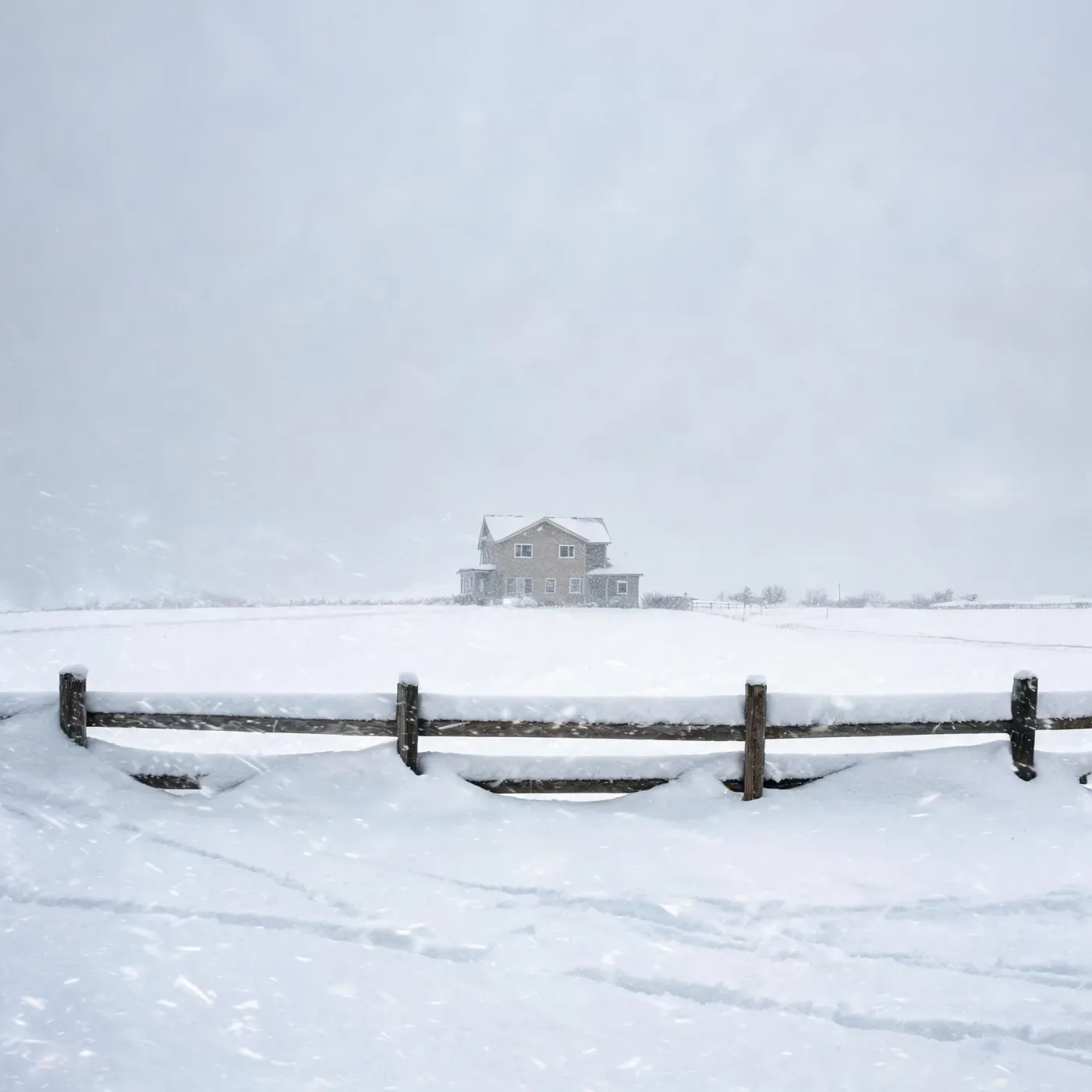
A two-story house stands on a flat snow-covered field in falling snow, with a partly buried wooden post-and-rail fence crossing the foreground under a pale gray sky.

Winter nights statewide average 11°F, according to the National Weather Service. Your furnace isn't cycling on and off a few times a night at that temperature, it's running close to constant to keep the house above freezing. A thermocouple that's marginal, coated in soot or just worn out, gets more chances to fail the colder it gets outside, because the burner is firing longer and more often to hold the temperature. So a pilot that's gone out twice in October can start going out nightly by January, even though nothing about the part has changed except how hard it's being asked to work.

NOAA nClimDiv 1991-2020 county normals weighted by homes

A bearded man in a plaid flannel shirt stands indoors looking out a frost-covered window, with a steaming dark blue mug on the wooden sill and snow-covered trees outside.
A smiling man in a dark blue T-shirt sits on a light gray sofa in a living room with a wooden shelf and window behind him, with a laptop edge visible in the foreground.

Where this leaves you

  • A pilot that won't hold is almost always a worn or sooty thermocouple, not the gas supply.
  • Relighting it yourself costs nothing but minutes, and it tells a contractor whether the part needs cleaning or replacing.
  • At 11°F on a typical South Dakota night, a furnace that loses its pilot can mean a cold house by morning.
  • Skipping the search, the calls, and repeating the problem to every contractor who answers gets you to a fix faster.
  • A clean thermocouple and a steady pilot hold through a winter night without you checking on it.
  • Once you know what's failing, the next step is getting someone out to confirm it and replace the part.

A pilot that keeps going out is a thermocouple problem almost every time. The rod that's supposed to sense the flame has worn out or gone sooty, and it's telling the gas valve there's no flame when there is. You can relight it yourself for now, and that's worth doing since it costs you nothing and tells you something: how long it holds before it fails again. A few minutes is one thing. Doing this every night through a South Dakota winter, when it's averaging 11°F outside and your furnace is running close to nonstop, is another. That's not a problem that fixes itself, and it's not one you want to keep testing at two in the morning. The part of this that takes real time isn't the repair, it's everything before it. Finding a contractor who actually works on furnaces, calling two or three of them, explaining the same pilot light problem each time, then sitting with quotes trying to guess who's telling you the truth about what it needs. That's the part that goes away once you're matched with someone who already knows what you're dealing with before they walk in. They'll confirm whether it's the thermocouple or something else feeding into it, and they'll have the part on hand to replace it. A clean one, seated right, holds a flame through a cold night without you thinking about it again.

A gray high-efficiency furnace with two white PVC vent pipes stands in an unfinished basement beside galvanized sheet-metal ductwork, with insulated wood-framed walls and piping behind it.

A furnace pro near you

Step 1 of 3: Equipment