Should a pilot flame touch a thermocouple?
Yes, the flame should touch the thermocouple, or more precisely wrap around its tip. The thermocouple is the small rod sitting right in the pilot flame, and it works by sensing that heat. That sensing is how your furnace knows the pilot is actually lit. If the flame doesn't reach the tip, or only grazes it, the thermocouple reads that as no flame at all, even though the pilot is burning. Your furnace is built to shut the gas valve when that happens, since its logic is simple: no sensed heat means no gas allowed through. So a pilot that keeps going out, or a furnace that won't stay running past a few minutes, often comes down to flame placement or a thermocouple that's worn out and reading weak even when the flame covers it. Either way it's a furnace contractor's job to check the flame position and test the thermocouple itself, not something to judge by eye alone.




The thermocouple only reads what it touches. A flame sitting next to it, instead of wrapped around the tip, won't heat it enough to register.
Without that heat signal, the gas valve assumes the pilot is out and shuts off. A flame that looks fine from across the room can still be too far off to count.


Why does your pilot light keep going out?
If you've relit that small blue flame more than once this month, the flame is probably sitting next to the thermocouple instead of wrapped around it. You'd notice the furnace running fine for a while, then the pilot dies and the burners never kick on until you go relight it by hand. Left alone, that's a cycle you'll keep repeating on the coldest days, which is exactly when you don't want to be down a furnace.
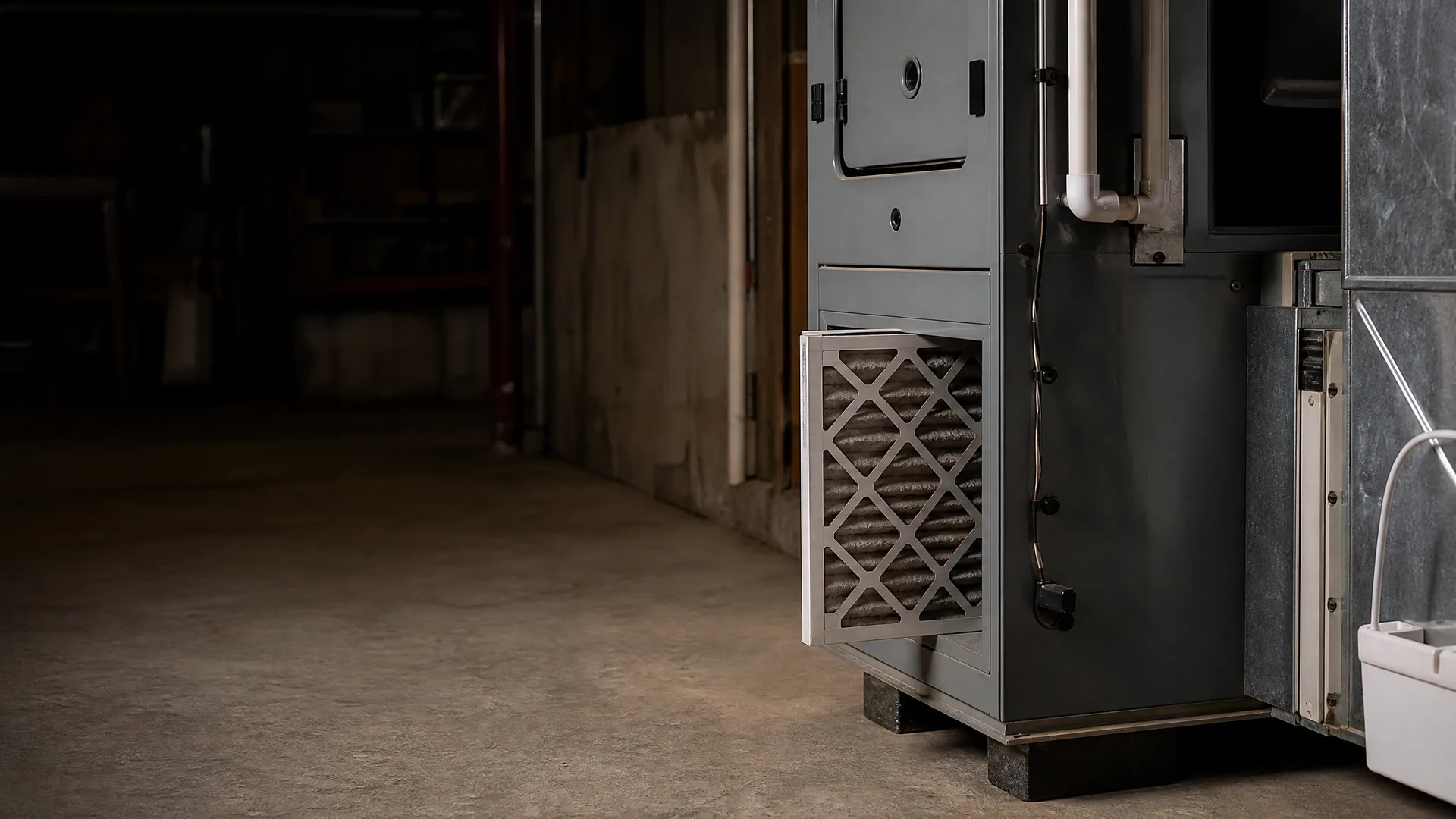
You're in the basement on an October afternoon, filter half pulled from the furnace, grey with dust you'll deal with in a minute. But first the pilot. You crouch by the access panel and watch that small blue flame, trying to tell if it's wrapped around the thermocouple or just leaning against it. Hard to say from here. This is the third time this month it's gone out on you, always in the evening, always leaving the house cold by morning. Instead of searching for who handles this, calling a few places, explaining the same flame and the same cold mornings each time, then sorting through whatever quotes come back, you could answer a few questions here and let a contractor who works on furnaces like yours get in touch.
A pro who works on furnaces
A pilot that won't hold, a thermocouple that might be bent or coated with soot, a flame that looks close enough but isn't: these are the kind of small calls that are hard to make from across a basement. A contractor who works on furnaces every day can tell in a glance whether that flame is actually wrapped around the tip or just sitting near it, and whether the fix is a cleaning, a bend, or a new thermocouple. Finding that contractor yourself means searching around, calling a few numbers, explaining the same pilot light problem more than once, then weighing quotes against each other before you even get someone out to look at it. Hand that off here and the matching happens for you, with a contractor who serves your part of South Dakota reaching out instead of you chasing them down. You still deal with the furnace. You just stop dealing with the search for who's going to look at it, while that pilot keeps going out on you.
Flame wrapped around the tip
This is what a good pilot looks like. The flame curls around the thermocouple's tip on all sides, not just brushing one edge of it. The rod sits inside the flame, not beside it. That full contact is what lets it read the heat and tell the gas valve the pilot is lit. A flame shaped like this holds steady through the winter without you touching it.
Flame leaning to one side
This is the shape that causes trouble. The flame leans away from the thermocouple, touching it on one side or missing it by a little. It can look lit and steady from across the basement, but the rod isn't getting heated enough to register. The gas valve reads that as no pilot and cuts the gas. You relight it, it holds for a while, then goes out again.

A small flame, worth a close look
You came here with one question about a pilot light, and now you know the answer: that flame should wrap around the thermocouple, not just sit near it. You've got a way to check it yourself, and a sense of what it means if the pilot keeps going out, a flame that's close but not quite touching the tip.
If what you saw down in the basement still has you guessing, a contractor who works on furnaces in South Dakota every day can look at that pilot and tell you in person what it's doing. Converting here means skipping the part where you search around for someone to call, explain the same flame and the same thermocouple over and over, and sort through quotes on your own. Instead you get matched with a contractor who serves your area, and they reach out to you.

Get your furnace to the right pro
One form instead of hunting for a pro who does furnace tune-ups.
You only hire the pro if you want to.