How often to change your furnace filter in South Dakota

Answer a few questions instead of calling shop after shop.

Skip the calls

A standard one inch furnace filter needs changing every 1 to 3 months during the months your furnace runs, which in South Dakota means October through April or close to it. A home with pets or anyone who runs the furnace most of the day should change it closer to the 1 month mark. A quieter household with no pets can often stretch to 3 months, but check it at 2. The reason comes down to airflow. A clogged filter makes the blower work harder to pull air through, and that strain is what leads to a cracked heat exchanger or a blower motor that burns out early. Gas furnaces depend on steady airflow to run safely, not just efficiently. Mark your calendar when you swap one in, since a filter that looks clean from the front can still be packed with dust on the side facing the return.

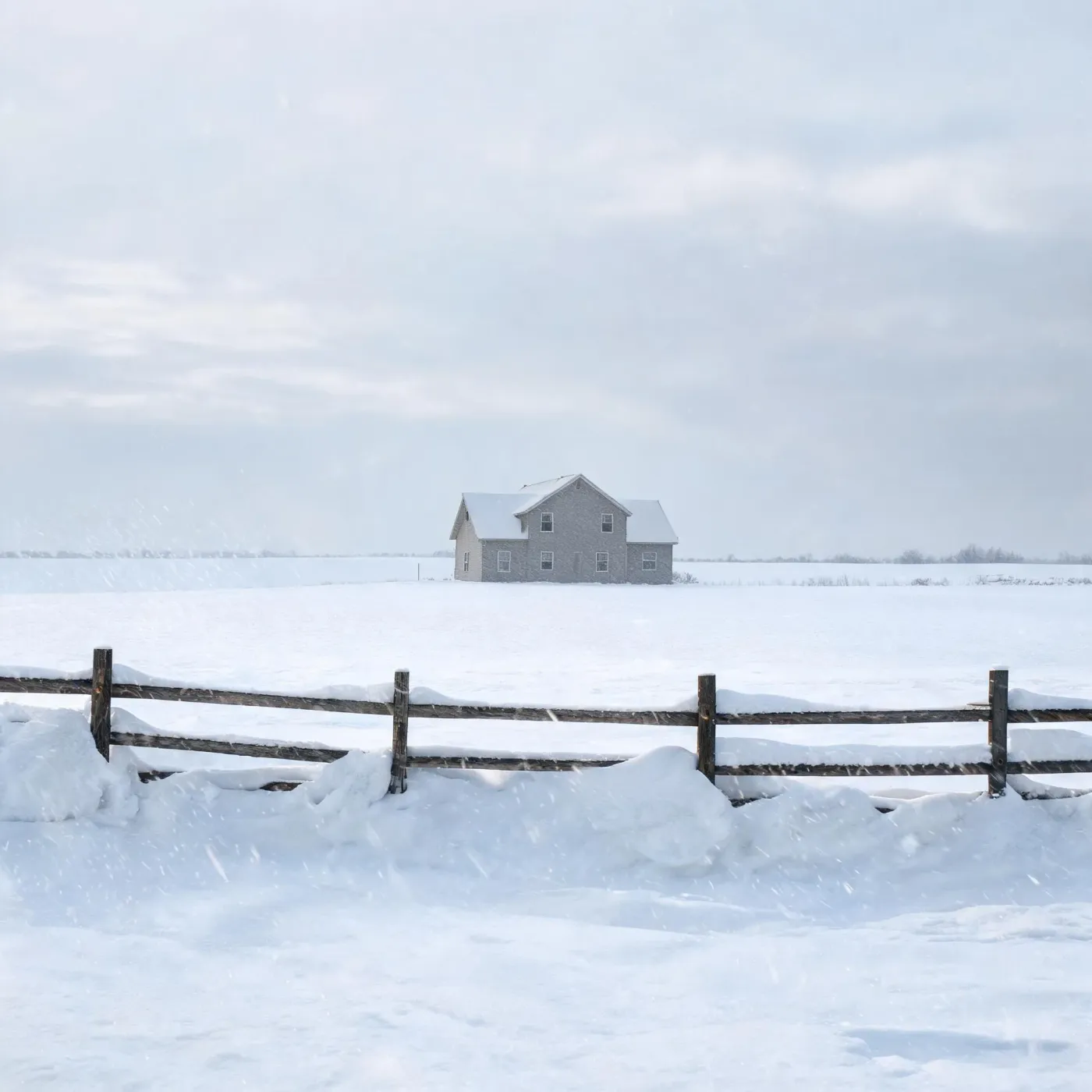
A two-story light-colored house with a gabled roof stands alone in a flat snow-covered field under a pale overcast sky, with a wooden post-and-rail fence and drifted snow in the foreground.

Winter nights here average 11°F statewide, NOAA climate data, and that kind of cold keeps your furnace running for long stretches at a time instead of cycling on and off a few times an hour. The more it runs, the more air it pulls through that filter. By January you may notice less heat coming out of the vents, or the furnace running longer to hit the same temperature on the thermostat. That's the filter loading up with everything the blower is dragging through it. A filter that's fine in October can be choked by the time the hardest cold sets in, which is exactly when you need the furnace working at its best.

NOAA nClimDiv 1991-2020 county normals weighted by homes

Why does my furnace filter get so dirty so fast in winter?

You just changed the filter a few weeks ago and it already looks gray. It feels like you're buying filters constantly once the cold sets in, and you're wondering if something's wrong with the furnace or if this is just how it works once the temperature drops and the furnace is running nearly nonstop.

Long run times pull more air, and more air through the filter means it loads up faster

A furnace that cycles on and off a few times an hour barely touches the filter compared to one running long stretches to hold the house at temperature through an 11°F night. Every bit of air the blower moves passes through that filter first, so more runtime means more dust and pet hair caught in the same square inch of material. The furnace doesn't know the difference between a mild stretch and a hard cold snap, it just runs as long as the thermostat calls for heat. That's why the same filter that lasted three months in October might look done in five or six weeks once January settles in.

A furnace in a dim basement with a dirty pleated air filter partially pulled out of its slot, beside a water heater and concrete walls and floor.

You're down in the basement on a Saturday afternoon, the light from the small window already going thin and orange. The furnace kicks on behind you, that low rumble you've gotten used to since the cold set in. You pull the filter halfway out to check it, the way you've been meaning to for a couple weeks, and it stops you for a second. Gray all the way across, matted down, the pleats barely visible anymore. You run a thumb along the edge and dust comes off on your hand. You slide it back in partway, thinking about where you put the replacement box, and whether you grabbed the right size last time or if that's even upstairs where you left it.


Skip calling around

A dirty filter is an easy thing to put off, but it's also one of the few furnace problems you can see for yourself without taking anything apart. If you pull it and find it caked gray, or if your furnace has started running longer than it used to, that's worth having someone look at who knows what else to check while they're there. A local contractor who services furnaces all winter in South Dakota has seen what a clogged filter does to a blower motor or a cracked heat exchanger after enough seasons of neglect, and knows what to look for beyond the filter itself. Request the work here and it goes to one licensed contractor near you, not a list you have to call through and explain your furnace to one at a time. That's one less thing to manage while you're keeping track of filter changes through a cold that runs October to April.

A smiling woman with dark shoulder-length hair in a cream V-neck sweater sits at a marble counter with a glass of red wine, with a kitchen and softly lit living room behind her.
A woman in a dark green sweater laughs while seated at a marble kitchen island with a glass of red wine, with open shelving, cabinets and a living room visible behind her.
A woman with long dark hair in a cream knit sweater laughs while looking off to the side, seated at a counter with a glass of red wine, in a dimly lit living room with a sofa, lamp, framed pictures and houseplant behind her.
A smiling woman with long dark hair in a beige sweater sits at a marble kitchen counter with a glass of red wine, with a dimly lit living room behind her.
A gray high-efficiency furnace in a basement with PVC venting pipes, a yellow gas line, metal ductwork, concrete walls and floor, and a wood-framed stairway at left.

Clean filter, clear airflow

Air moves through the plenum the way it's supposed to, and the furnace cycles on and off like it should. The burners fire, heat up the exchanger, and the blower pushes that warm air out through the ductwork without strain. This is what a filter change every month or two buys you.

A beige furnace with a louvered front panel and metal ductwork stands on a concrete basement floor beside pipes and a white cylindrical water heater.

Clogged filter, strained furnace

That louvered panel is pulling air through a filter packed with dust, and the furnace has to work harder to move the same amount of heat. Left long enough, a clogged filter can let dust past it and into the ductwork, or make the furnace short cycle. Either way, something downstream pays for it.

A beige furnace with two louvered front panels stands on a concrete basement floor beside galvanized ductwork, metal pipes, and a wooden post.
Before you get your furnace maintenance
A gray high-efficiency furnace stands on a concrete basement floor beside galvanized sheet-metal ductwork, with white PVC vent pipes, gas and water lines, and unfinished wood framing behind it.
After you get your furnace maintenance

Is your furnace filter overdue right now

Pull the filter out and hold it up to the basement light. If you can't see light through it, it's done. Look for a gray or brown coating across the whole surface, or dust built up thick enough that you can see the ridges filling in. You might notice the furnace running longer before it shuts off, or the air coming from the vents feels weaker than it did last month. Some people notice a burning dust smell when it kicks on after sitting idle. Left in too long, a clogged filter makes the blower work harder to push air through, and that strain is what leads to a breakdown in the middle of a cold stretch when you need the furnace most.

  1. Cold air gets pulled into the return duct toward the furnace.

  2. Air passes through the filter before it reaches the blower.

  3. The blower pulls dust and pet hair out of that airflow.

  4. Trapped dirt builds up across the filter's surface over time.

A gray high-efficiency furnace in a basement with white PVC vent pipes, sheet-metal ductwork, copper and black piping, a condensate pump, and insulated walls above a concrete floor.
Clean filter lets the furnace cycle normally and run those long January stretches without strain on the blower.
A beige residential furnace stands on a concrete basement floor beside galvanized sheet-metal ductwork, a round flue pipe, copper gas piping, and a PVC condensate line, with a wood-paneled wall at right.
Years of grime and a worn exterior like this often mean the filter's been neglected too, choking airflow from the start.
A smiling bearded man in a navy sweater sits at a candlelit dinner table with a glass of red wine, a bowl of salad, and plates of food in the foreground.
A woman with dark hair in a bun reclines on a sofa with her eyes closed, wrapped in a cream fleece blanket, a closed blue hardcover book resting in front of her, with a lit lamp and a vase of dried flowers in the background.

Winter nights average 11°F statewide

At 11 below zero some nights, your furnace isn't shutting off much. A filter that would last three months with light use can choke with dirt in half that time when the blower never really stops pulling air through it.

NOAA nClimDiv 1991-2020 county normals weighted by homes

A closed laptop and a cream mug of coffee on a coaster sit on a dark wooden table, with a potted plant at left and a kitchen counter, tiled backsplash and shelf of ceramics in the background.

Change the filter before the cold sets in and again through the winter

A one inch filter lasts one to three months once your furnace is running most days, and from October through April that's the stretch to watch. Check it on a schedule instead of waiting for it to look bad, because by the time it looks bad your blower has already been working harder than it needs to.

If you'd rather not track it yourself, or you're not sure what your furnace has been dealing with over the years, a local contractor who services furnaces all winter can look at the whole system while they're at it, not just the filter. That means one call instead of several, no explaining the same thing twice to different companies, and no stack of quotes to sort through. Just someone who knows what a South Dakota winter does to a furnace, setting yours up to get through it.

A gray upholstered sofa with a textured cushion sits beside a dark round side table holding a vase of green foliage, with a table lamp and sheer-curtained window behind.
At dusk, a dark board-and-batten house with a standing-seam metal roof and lit entry walkway of stone pavers, with two large outdoor heat pump units on a stone-walled pad at right and trees and hills in the background.

Furnace Maintenance

Describe it once

Step 1 of 3: Equipment
  • A dimly lit living room corner with a beige upholstered sofa holding a dark green cushion and a chunky knit throw, beside a wooden sideboard with a lit ceramic table lamp, a small potted plant, and a wooden bowl, with a framed artwork on the wall and a mug on a book in the foreground.
    • Describe your furnace job, and a local pro who handles it gets in touch.
    • Say what's going on with your furnace, and a pro who works on them reaches out.
  • A round wooden coffee table holding a round stone vase of green foliage, a lit candle in a glass container, and a small dark bowl, with a beige sofa, cushions and knit throw behind and a window at left.
    • Once you send the form, finding a pro is off your list.
    • After you send the request, you're done searching.
  • Sunlit living room with a wooden coffee table holding a ceramic vase of leafy branches and a carved wooden tray with two stacked books, in front of a beige sofa with tan and green cushions and a potted plant near a window.
    • Fill out one short form instead of calling around.
    • Explain the job once and skip repeating it on every call.
  • Interior corner with a lit ceramic table lamp and wooden bowl on a wood sideboard, a framed picture and branch-filled vase behind, a knit throw over an upholstered chair, and a lit candle in a glass holder, stoneware mug and round planter of green foliage on a wooden table in the foreground.
    • Only one pro gets your request, so you hear from one company.
    • Your request stays with one local pro.