

Should I buy MERV 8 or 11?

A local pro who services furnaces gets in touch about the tune-up.

Step 1 of 3: Equipment

For most South Dakota homes, MERV 8 is the safer pick for a furnace running on its own, and MERV 11 makes sense if someone in the house deals with allergies or you've got pets shedding into the return air. The number measures how fine a filter's weave is, and a tighter weave catches smaller particles but also makes your blower push harder to move air through it. A furnace built for MERV 8 airflow can struggle with MERV 11 or higher if the duct system and blower weren't sized for it, especially in an older home where nobody's checked. If you don't know which one your furnace was designed around, that's a reasonable thing to ask about before you commit to the tighter filter for a full winter.

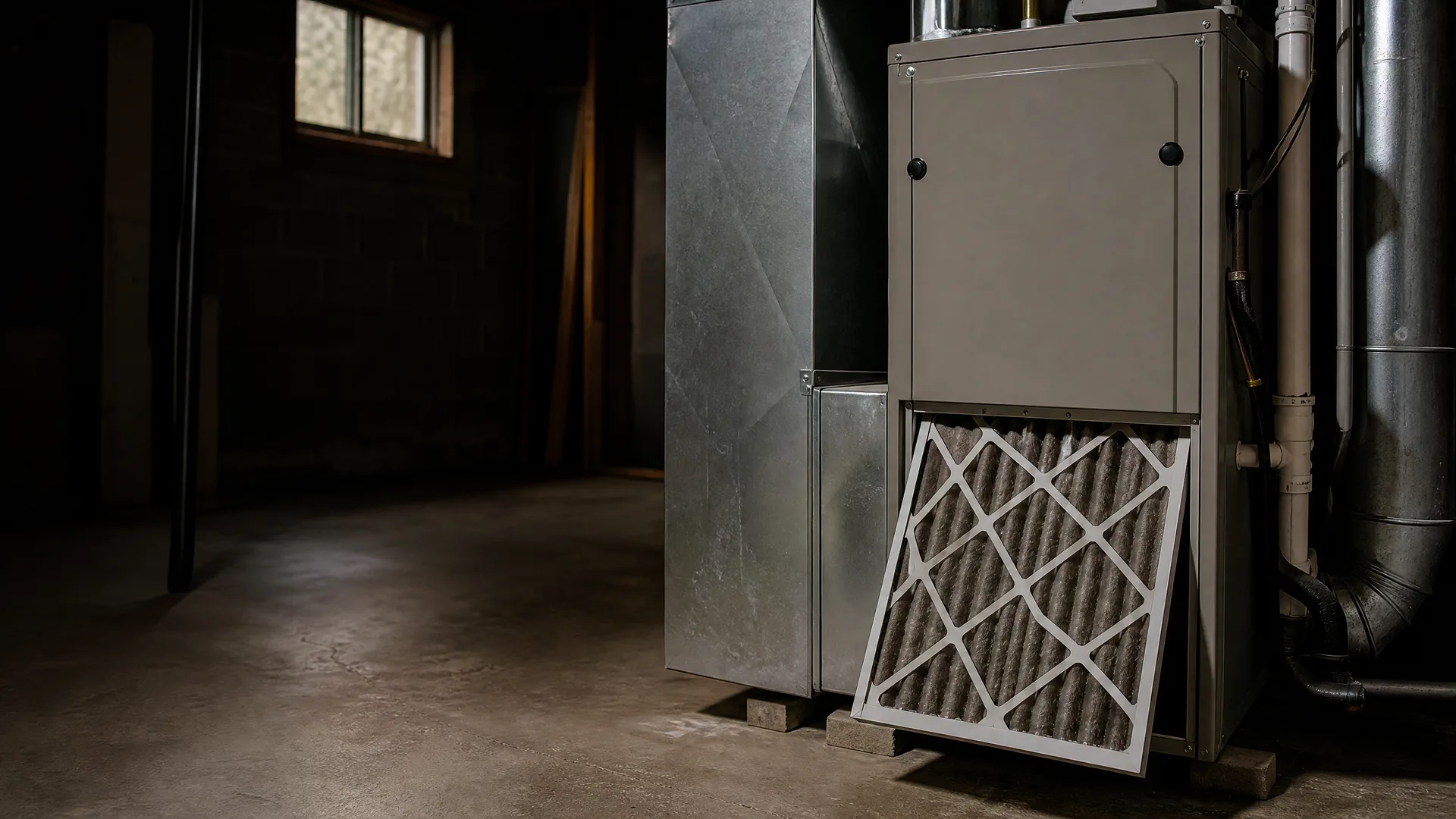
A gray furnace with sheet-metal ductwork in a dim basement, with a dirty pleated air filter leaning against its base on a concrete floor.

You're in the basement on an October afternoon, pulling the filter to see where it stands before winter. It slides out grey, the dust caught thick across the weave. That's the furnace doing what it does, pulling return air through the filter before it ever reaches the blower. A MERV 8 catches the common stuff and lets air move through easily. Step up to MERV 11 and the weave is tighter, which means it's grabbing finer dust, but it's also asking more of the blower to pull air through it. If the furnace was sized for a looser filter, a tighter one can slow the airflow it depends on. Nothing fails on the spot. It just runs a little harder, a little longer, to heat the same rooms. Worth checking what the furnace came with before swapping it for something finer.

MERV 8 vs MERV 11

MERV 8

  • Lets your furnace pull air through with less resistance, which matters most if your ducts and blower are older and weren't sized for a denser filter.
  • Catches the everyday stuff, dust, lint, pollen, the particles that would otherwise settle on furniture and vents around the house.
  • Needs changing on the same schedule as any filter, but won't load up and choke airflow as fast as a tighter weave can.
  • Works fine as the default if nobody in the house has allergies and there's no pet shedding into the return air.
  • Keeps the blower from working harder than it has to, which matters over a long South Dakota winter of steady runtime.

MERV 11

  • Catches finer particles, the kind that trigger allergies or asthma, pet dander, smoke, finer dust that MERV 8 lets through.
  • Worth it if someone in the house has allergies, or if pets are shedding into the return air on a regular basis.
  • Puts more resistance in the airflow path, so an older or undersized blower has to work harder to pull air through it.
  • Still needs regular changes, and a clogged MERV 11 restricts airflow more than a clogged MERV 8 would.
  • Makes sense if you've already checked that your ductwork and furnace can handle the tighter weave without strain.
A woman in a cream knit sweater sits in an armchair indoors, eyes closed and smiling, beside a window showing yellow and orange autumn foliage, with a mug on a wooden side table and shelves holding vases behind her.
An older man with gray hair and a navy knit sweater sits in an armchair with his eyes closed, near a bright window with potted green plants.

Why MERV 8 fits most systems

A furnace is built to pull a set volume of air across the blower and through the coil or heat exchanger. MERV 8 keeps that path open, catching dust and lint without squeezing the airflow down. The filter's job is to clean the air moving through the ducts, not to purify it beyond what the blower can handle. On a system nobody's upgraded the ductwork or blower for, a lower-resistance filter lets it keep moving air the way it was set up to from the start.


Why MERV 11 earns its keep

A finer weave catches smaller particles, the pet dander and finer pollen that MERV 8 lets pass through. That's worth the added resistance in a house where someone's dealing with allergies or there's an animal shedding into the return air daily. The tradeoff is real: the furnace works a little harder to pull air through a denser filter. For a system that's otherwise in good shape, that extra effort is usually not the thing that decides how long it lasts.

An older woman with gray hair in a cream knit sweater sits under a blanket on a sofa by a window, looking outside toward yellow-leaved trees, with a lamp, shelves and an armchair in the room behind her.
A gray-haired woman in a chunky knit sweater sits in an armchair with a blanket, looking out a window at yellow autumn foliage, with bookshelves and a potted plant behind her.
A gray-haired woman in a navy sweater sits in an armchair with a knit blanket beside a window, looking out at yellow autumn foliage, with a dining table and houseplant in the room behind her.
A gray-haired woman in a gray cowl-neck sweater sits in an armchair with a blanket, looking out a dark-framed window toward yellow autumn trees.

Get your furnace to the right pro

You can get a straight answer on MERV 8 versus MERV 11 by reading specs, but matching the number to your actual furnace, your ducts, who lives in the house, is a different question, and it's easy to guess wrong in either direction. A filter too dense for an older blower makes the furnace work harder all winter. One too thin leaves dust circulating that someone with allergies is going to notice. Instead of sorting through that alone, or calling furnace companies around South Dakota to ask the same question over and over, you can hand it off. A contractor who services furnaces like yours can look at what you've actually got and tell you which filter it was built to run, not which one sounds better on paper. That skips the part where you explain your setup to three different people before getting three different answers. You still make the call on what goes in the filter slot, but you'll be making it with someone who's seen your system, not a chart.

Where This Leaves You

  • MERV 8 keeps airflow open on a furnace that hasn't been checked against a denser filter.
  • MERV 11 earns its keep when allergies or pet dander are part of daily life in the house.
  • Older ducts and a blower sized for a thinner filter lean the decision toward MERV 8.
  • A filter that's too dense can choke airflow a furnace was never built to push through.
  • Checking your own ducts, blower and who's breathing that air beats guessing at a number.
  • Matching the filter to your specific furnace is different from matching it to a chart.

You came in with a number question, MERV 8 or MERV 11, and the honest answer is that it depends on a furnace and a house only you can look at. Most South Dakota homes do fine on MERV 8, and most furnaces were built around that kind of airflow. MERV 11 has its place too, when dander or allergies make the extra filtering worth the trade-off. What the chart can't tell you is whether your ducts and blower were sized for the denser option, or whether your furnace has ever been checked against anything but the filter it came with. That's the part worth getting an actual look at before winter sets in, rather than working from a guess. A contractor who can see your setup, not just the two numbers on a package, is the one who can tell you which side of this you actually fall on. If you'd rather not spend your afternoon calling furnace companies around South Dakota, describing the same basement and the same filter question to each one, then sitting with quotes trying to compare apples to apples, that's the part this page can take off your hands. Tell us where you stand and we'll match you with a contractor who takes it from there, reaching out to you directly instead of the other way around. The filter question is small. Getting it answered by someone who's actually seen your furnace is what keeps it small.

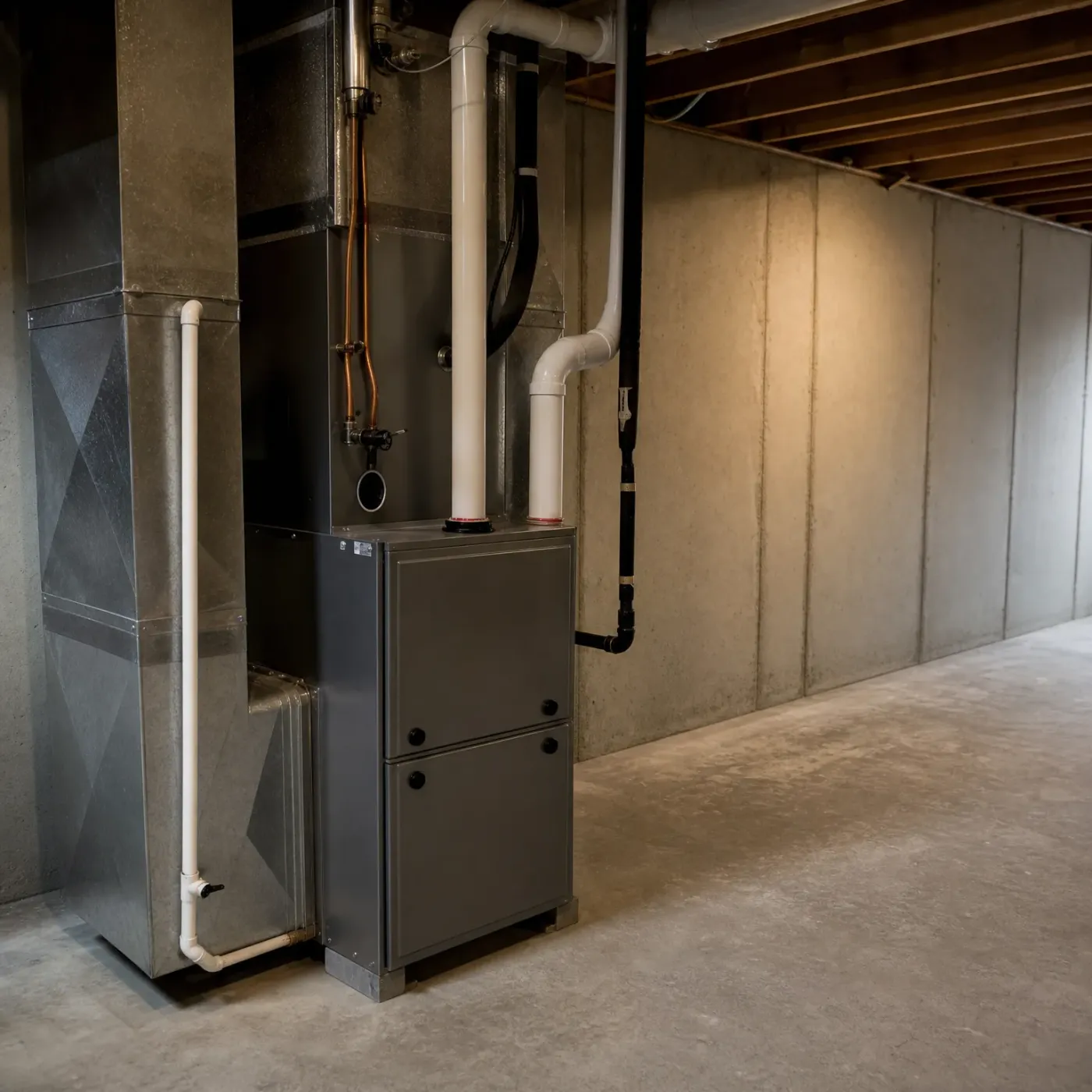
A gray high-efficiency furnace in an unfinished basement with concrete walls and floor, connected to sheet-metal ductwork, white PVC vent pipes, and a black drain line beneath exposed wood joists.

The right pro for this job

Request a pro

Fill out one form instead of calling around for a furnace tune-up.

No charge to send it. You decide if you hire them.