
What temperature to set the heat in a South Dakota winter
Send the form and the furnace tune-up stops being something to remember.
Hand it offWhat temperature should I set my thermostat in winter in South Dakota?
South Dakota winters run cold for months, and a furnace that runs nonstop still has to keep up when it's well below zero outside. You want a number that won't run up the gas bill but also won't leave the house feeling cold or strain the furnace trying to catch up after being set too low overnight.
68 degrees while you're home, lower when you're out or asleep
Most homeowners here land on 68 for the hours they're up and around, then drop it to 60 or 62 overnight or when the house is empty. Gas is what heats most homes in South Dakota, and power here is cheap, so a lower setting overnight saves on the gas bill without costing much to get the house back up to temperature in the morning. Going much lower than that, or shutting the furnace off entirely, makes it work harder to recover the lost heat, and in a cold snap that recovery takes longer than people expect. A programmable thermostat handles the dip and recovery on its own, so you're not adjusting it by hand twice a day.
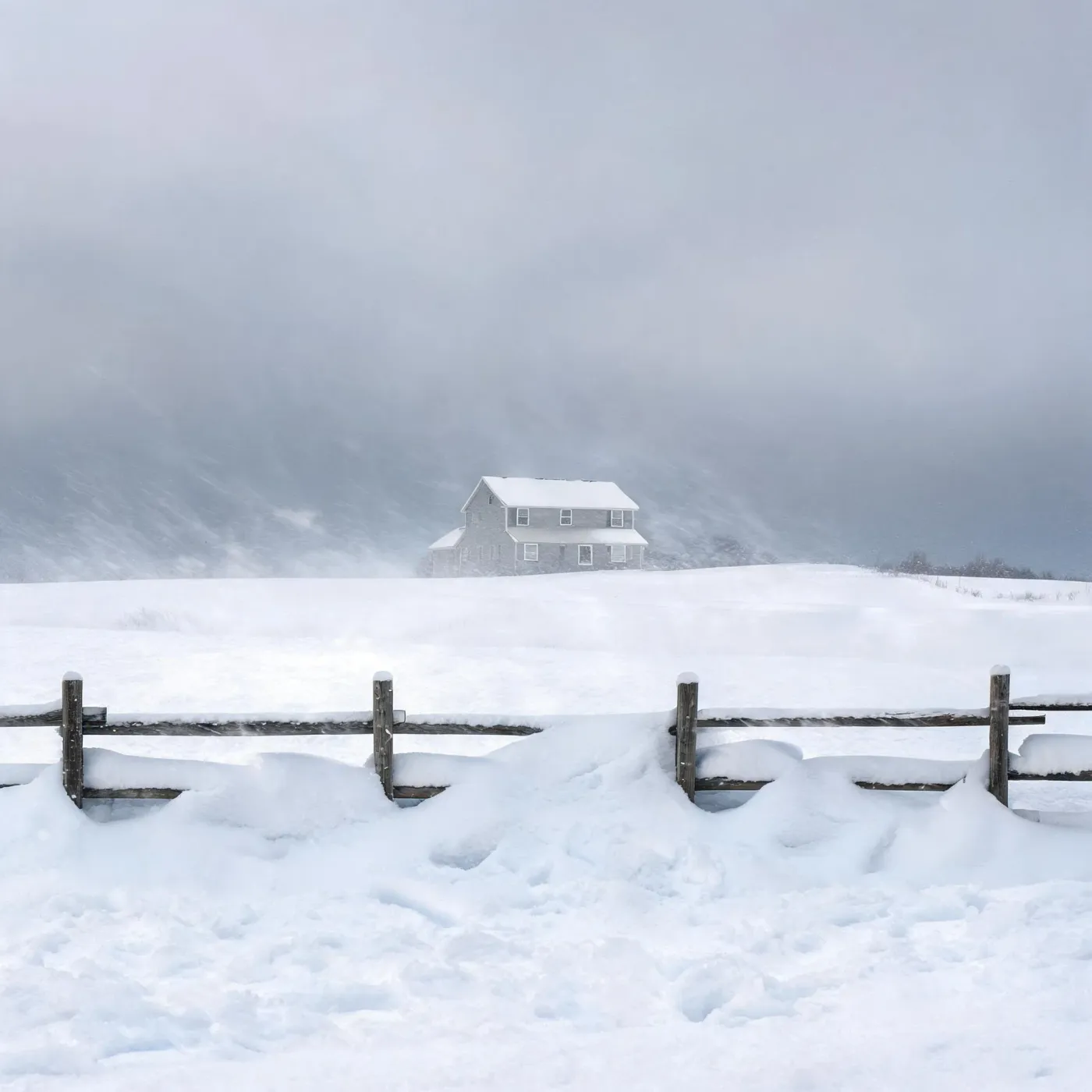
Winter nights across South Dakota average 11°F, according to the National Weather Service, and plenty of nights go well below that. At those temperatures your furnace isn't cycling on and off, it's running close to straight through, trying to hold the gap between 11 degrees outside and 68 or 70 inside. That's a long stretch of work for the igniter, the blower motor, and the burners, night after night, for months. A furnace that's a little out of tune, a dirty flame sensor or a clogged filter, won't show it in October. It shows it in January, when it's already working as hard as it can and has nothing left to give.
NOAA nClimDiv 1991-2020 county normals weighted by homes
Hold steady or set it back
Set it and leave it
- You pick one number, say 68, and the furnace holds the house there whether it's noon or 3 a.m.
- Nobody's adjusting a dial before bed or after getting up, so there's less chance of forgetting and waking up to a cold house.
- The furnace cycles at a steady rate instead of working harder to recover from a drop, which is easier on the igniter and blower motor over a winter.
- If you're gone during the day, the house still stays warm enough that pipes along outside walls aren't at risk.
- You lose whatever gas you'd save by letting the house cool down while nobody's home or awake to feel it.
Set back at night or when out
- You drop the thermostat 5 to 8 degrees overnight or while you're at work, then it climbs back up before you're home or awake.
- The furnace runs less overall since it's not holding 68 around the clock, which matters on a gas bill that covers months of nonstop heating here.
- A programmable or smart thermostat handles the schedule, so you're not the one remembering to turn it down or back up.
- Recovery takes longer on the coldest nights, since the furnace has more ground to make up when it's well below zero outside.
- Setting it back too far can let a house with weaker insulation get uncomfortably cold before the furnace catches up.






How your furnace actually runs
- The thermostat calls for heat, and a sensor checks for flame before gas is allowed to flow.
- An igniter heats up or sparks, the gas valve opens, and the burners light inside the heat exchanger.
- A blower motor pushes air across the hot heat exchanger and sends it through your ducts.
- Warm air returns to the furnace through a return duct, gets filtered, and the cycle starts again.
- At single digits or below, that cycle barely stops because the house loses heat as fast as the furnace adds it.
- The flame sensor shuts the gas off within seconds if it doesn't detect a flame, which is a safety step, not a malfunction.
A furnace cycle has an order to it, and it's worth knowing so a repair call makes sense instead of sounding like guesswork. The thermostat sends the call for heat, and before anything lights, a sensor checks that there's actually a flame to confirm. That's the flame sensor, and it's doing its job every single cycle, not just when something's wrong. Once it confirms ignition, either a hot surface igniter or a spark lights the burners inside the heat exchanger, which is the metal chamber that holds the flame away from the air that circulates through your house. A blower motor then pulls air in through the return duct, pushes it across that hot heat exchanger, and sends it out through the supply ducts into your rooms. The air that comes back to start the next cycle passes through the filter first. On a mild day this whole sequence might run for ten minutes and shut off. At single digits or below, it barely stops, because the house is losing heat through the walls and windows about as fast as the furnace can replace it. That's not the furnace struggling. It's the furnace doing exactly what it's built to do when it's that cold outside. If the flame sensor ever fails to detect a flame, the gas valve shuts within seconds. That's the system protecting your house, and it's the kind of shutdown a furnace should do without anyone noticing anything else was wrong.


Stop chasing a furnace pro
A furnace that runs close to straight through for days at a time, the way it does in a South Dakota January, is working harder than it was built to coast through. Small things turn into stuck things under that kind of load: a hairline crack in the heat exchanger, a flame sensor coated just enough to misread, a blower motor bearing that was fine in October and isn't in December. Most of those get caught in a maintenance visit before they leave you without heat on the coldest night of the year. You already know the number to set the thermostat to. What you can't do from the thermostat is tell whether the furnace behind the wall is actually built to hold that number all winter. Someone local who services this equipment every season knows what tends to go first in a furnace that's been running this hard, and the request goes to one contractor who takes it on, not several competing for your call. Send it and the furnace stops being something you have to think about.
A furnace loses efficiency slowly, not all at once, so a dirty flame sensor or a clogged filter rarely shows up as a sudden problem. It shows up as a higher gas bill for the same 68 degrees.
That's why the setting on the thermostat isn't the only thing that decides what winter costs you. A furnace that's been serviced holds that number without working as hard to get there.
Winter nights average 11°F statewide
An 11°F overnight low means your furnace is working against a 57-degree gap just to hold 68 inside. Night after night at that gap wears on a system faster than a mild cold snap ever would, which is why a checkup before the hard stretch of winter matters more here than almost anywhere else.
NOAA nClimDiv 1991-2020 county normals weighted by homes
What a 68-degree house costs you
At 68 degrees with an 11°F night outside, the furnace isn't pausing much between cycles. You'll feel that in the gas bill before you see any sign of wear, and you'll likely feel a difference room to room too: a bedroom over the garage or a room with a big north window runs colder than the thermostat says, because the air at the register cools before it reaches the far end of the house. That's normal for forced air in a cold snap. What's not normal is a bill that climbs well past what it was the same week last year for the same setting. That's the furnace telling you it's working harder to move the same amount of heat, usually because something inside it is dirty, loose, or starting to fail.
What a skipped checkup puts at risk
A furnace that runs this many hours a day for weeks doesn't fail on a mild Tuesday. It fails on the coldest night of the year, because that's when every part of it is under the most load at once. A cracked heat exchanger, a weak igniter, a blower motor straining on a worn bearing, all of these get worse under steady use and tend to give out right when you need the heat most. A tune-up before the hardest stretch of a South Dakota winter catches the part that's close to quitting while it's still an appointment, not a 2 a.m. call with no heat and a house full of people.


68 degrees, give or take, is where most South Dakota homes land for winter, and the number matters less than whether the furnace behind it is ready for months of hard running. A system that's been checked before the cold sets in can hold that number through the worst night without strain. One that hasn't is where a thermostat setting stops being a comfort question and turns into a repair call. If you send a request through this page, it goes to one licensed contractor working in your area, not a handful competing for your callback. Someone who services furnaces all winter in South Dakota has seen what an 11-degree night does to a heat exchanger and an igniter, and knows what to check before it fails rather than after. That's the difference between a number on a thermostat and a house that actually holds it.
Send one request and you're done looking