
60,000 to 80,000 BTU
This is the range most 1,500 square foot homes in South Dakota land in, but your walls, windows, and attic insulation decide where in that range you fall.
A local installer who puts in furnaces gets your project.
For a 1,500 square foot house, the size of furnace you need comes down to a load calculation a contractor runs on your specific home, not just the square footage. South Dakota winters push most houses in this size range toward a furnace in the 60,000 to 80,000 BTU range, but your walls, windows, insulation, and ceiling height all shift that number up or down. Two houses with the same floor plan can need different sized furnaces if one has more windows facing north or less insulation in the attic. What decides your price is that sizing, plus the efficiency rating you choose and whatever your ductwork needs to connect to a new unit. A contractor can look at your house and give you a number that fits it instead of a guess based on square footage alone.
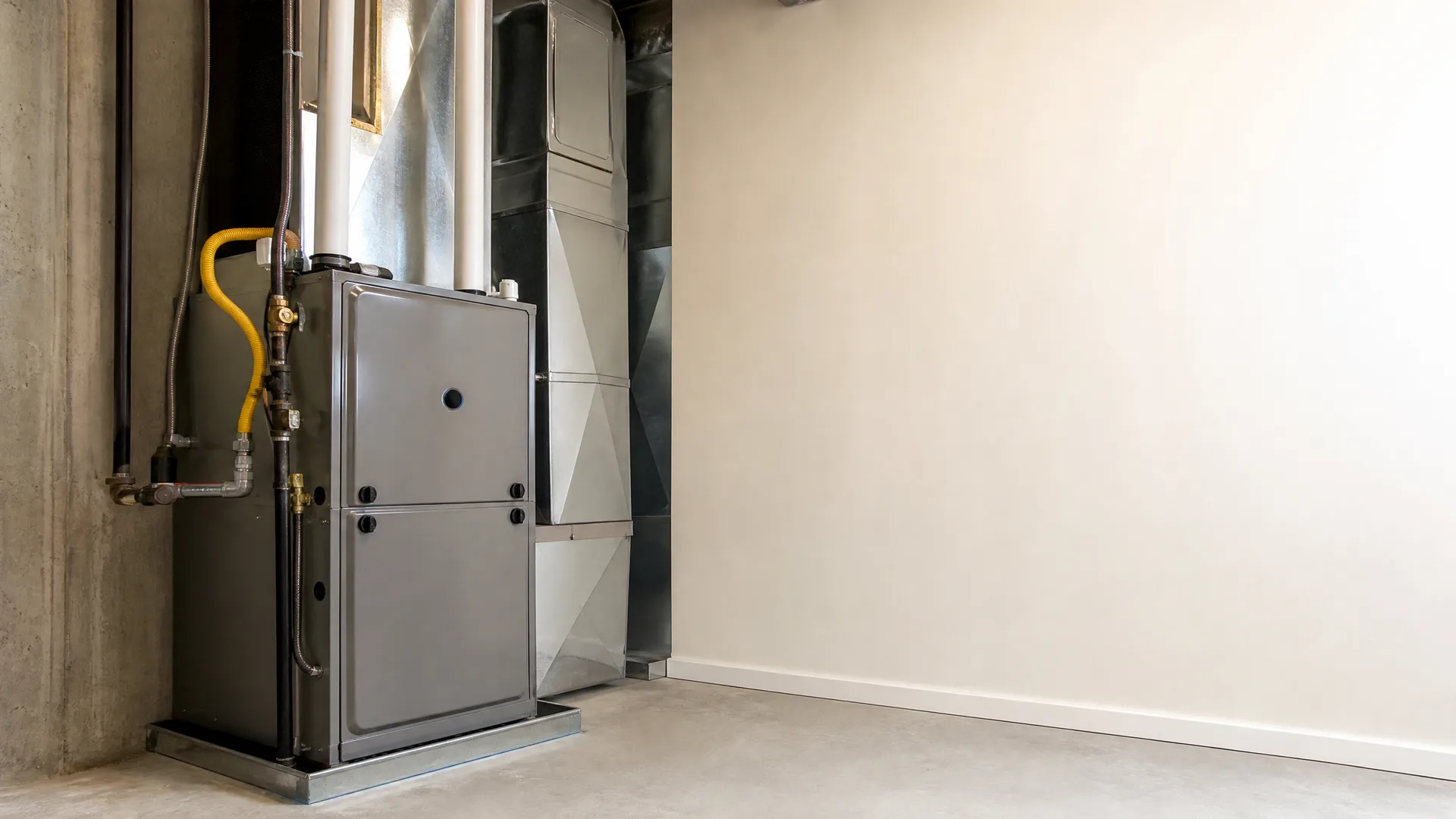
A 1,500 square foot house in South Dakota doesn't heat the same way twice. Ceiling height, window count, how much insulation is in the attic, and which direction the house faces all change how hard the furnace has to work. A contractor accounts for this with a load calculation, checking the house itself rather than running the number from square footage alone. Two houses the same size can land on different furnace sizes once that work is done.
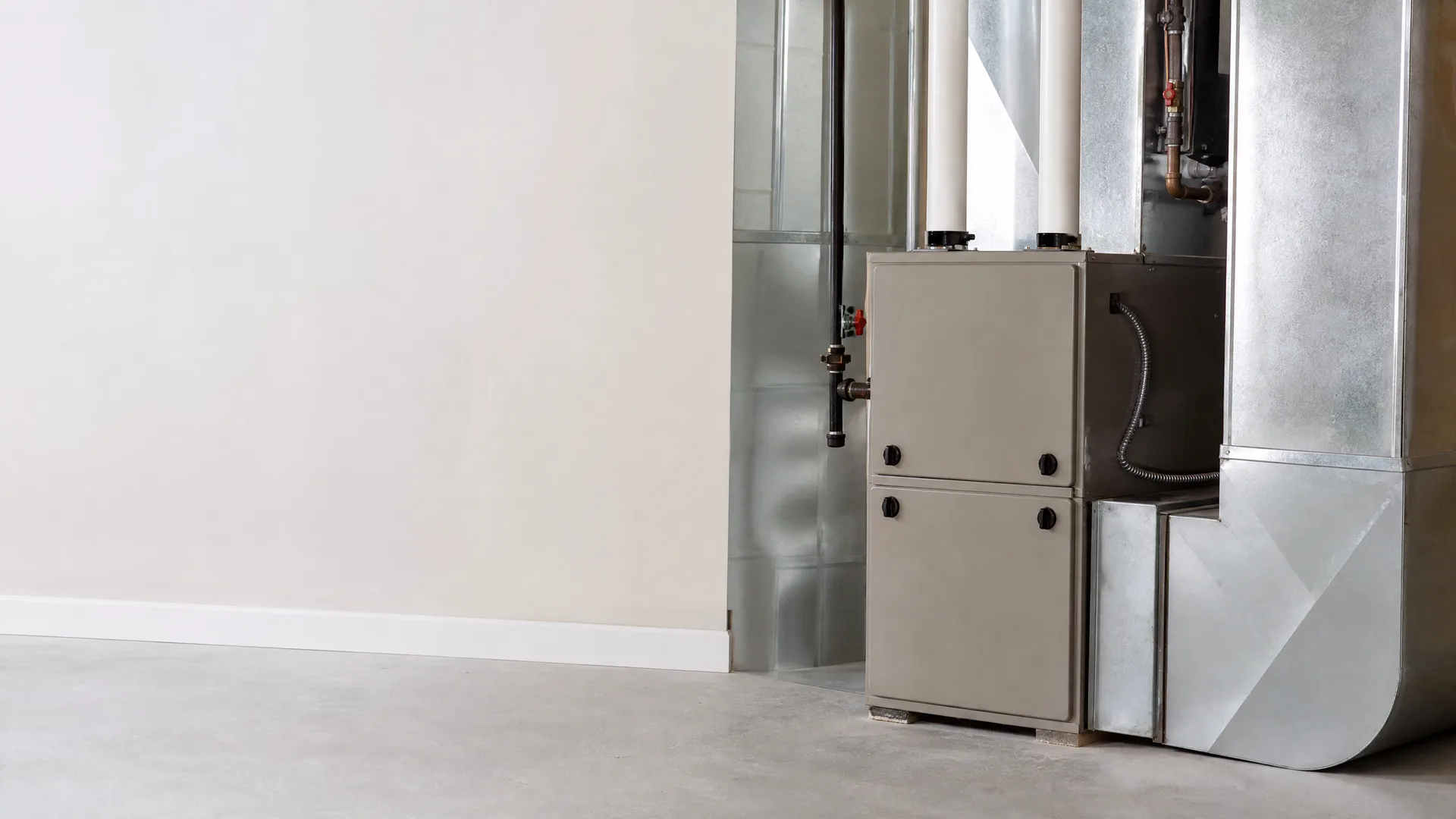
A furnace too small for the house runs constantly through the coldest months and still falls behind. One sized too large cycles on and off faster than it should, which wears on the parts that start it up each time. The 60,000 to 80,000 BTU range covers a lot of 1,500 square foot homes in the state, but where your house falls in that range depends on the details a contractor checks in person, not a general rule.
You're picturing square footage on a chart and expecting one number back, but your house doesn't work that way. A furnace sized without a proper load calculation can leave back bedrooms cold while the thermostat room runs warm, or short cycle through the day and never settle into a steady heat. In a South Dakota winter, that shows up fast: drafts near windows, a furnace that won't stop running, higher bills than a neighbor's similar-sized house. The fix isn't a bigger number. It's a contractor measuring your house instead of guessing from its footprint.




This is the range most 1,500 square foot homes in South Dakota land in, but your walls, windows, and attic insulation decide where in that range you fall.
A contractor can run the load calculation on your actual house instead of you guessing from a chart, so the furnace matches the rooms you're trying to heat.

A furnace's BTU rating tells a contractor how much heat it can push through your house, not what it costs to put in. Two houses that both land in the 60,000 to 80,000 BTU range can end up with different installs once a contractor looks at your ductwork, your venting, and where the unit sits now. That's the order it actually happens in: size first, then the equipment that matches it, then what your house needs to get that equipment running right.
This is also where furnaces split from central air in people's minds. A furnace burns gas or runs electric heat and pushes warm air through the same ducts your AC already uses, so the install leans on what's already run through your walls and attic. Instead of pricing it out yourself house by house, a contractor who knows South Dakota installs can walk your place, run the numbers, and tell you what your particular setup calls for.

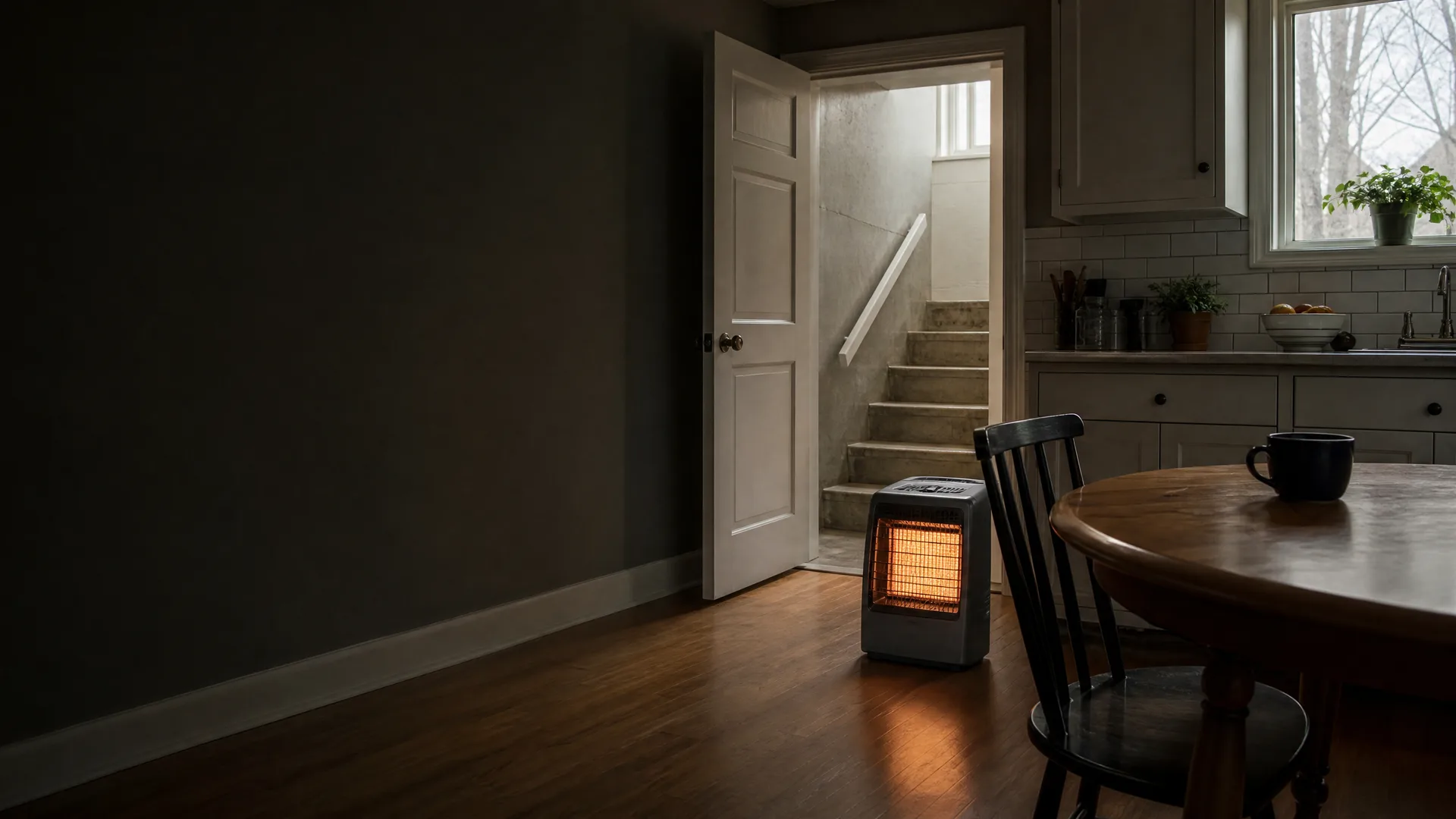
The kitchen is still cold at six in the morning, so the space heater runs by the table while the coffee brews, its cord stretched toward the outlet because the furnace can't keep this room caught up. The basement door sits open behind it, like that helps. You've started doing the math on whether a bigger furnace next winter means no more of this, and whether 1,500 square feet of house should really need a second heater to feel warm.
What you don't want is another month of calling around South Dakota, listing your square footage to one installer after another, and lining up quotes that all size the job differently. The space heater is a stopgap. Knowing what this house actually needs come fall is the part worth settling now.
You could spend the next few evenings calling furnace companies around South Dakota, listing the same square footage and the same cold back bedroom to each one, then waiting on quotes that land weeks apart and aren't sized the same way twice. Or you could let someone else sort through who actually handles installs like yours and who has room on the schedule before winter gets serious. A contractor who does this work every week already knows how a 1,500 square foot house in this state tends to load out, and what questions to ask about your attic and your windows before they ever quote a BTU number. That's the part a homeowner can't shortcut by reading more articles or plugging square footage into a chart. You've already done the thinking that matters, you know roughly what size furnace a house like yours needs and why square footage alone won't nail it down. What's left is matching that house to someone who installs them, and that's less a research project than a handoff.
If your old furnace kept the house warm and only quit because it's worn out, matching its output is a reasonable starting point. A contractor can confirm the old unit was sized right in the first place, since plenty of furnaces installed years ago were sized by a rule of thumb rather than a load calculation. If the house always heated evenly, room to room, that old BTU number is worth bringing up when a contractor looks at the job.
If a room ran cold, the furnace short cycled, or you've added insulation or new windows since the house was built, the old size may not be the right size now. A load calculation looks at the house as it stands today, not as it was whenever that furnace went in. This matters more for a 1,500 square foot house than people expect, since small changes in windows or attic insulation shift the number a contractor lands on.


You came here with a square footage number and a cold back bedroom, and by now you know the two aren't connected the way the chart made it look. A 1,500 square foot house in South Dakota can land anywhere from 60,000 to 80,000 BTU, and the only way to know where yours falls is a load calculation run on your actual walls, windows, and attic, not a number pulled off a page. That part takes a contractor standing in your house. What doesn't have to take up your winter is the search for one. Finding a contractor usually means calling around South Dakota, listing the same square footage and the same cold room to each company, then waiting on quotes that size the job differently every time, with no easy way to set them side by side. Converting here skips that part. You explain your situation once, and it goes to a contractor who can run the load calculation, settle on the right equipment, and handle the installation, instead of you repeating yourself down a list of phone numbers. The contractor reaches out to you, so you're not the one checking your phone for callbacks while the house gets colder. None of this changes what the job itself involves. Sizing and installing a furnace still takes a contractor's time and judgment, and nothing here shortens that. What it shortens is the part before any of that starts, the part where you're still trying to find someone to call.
You're not committing to anything by asking.
A 1,500 square foot house narrows the range, but it doesn't settle it, and guessing wrong means living with a furnace too small for January or too big to run efficiently. Getting matched with a contractor who'll size it against your actual house, not just the square footage, is the part worth doing before winter closes in.